Horseback Safaris
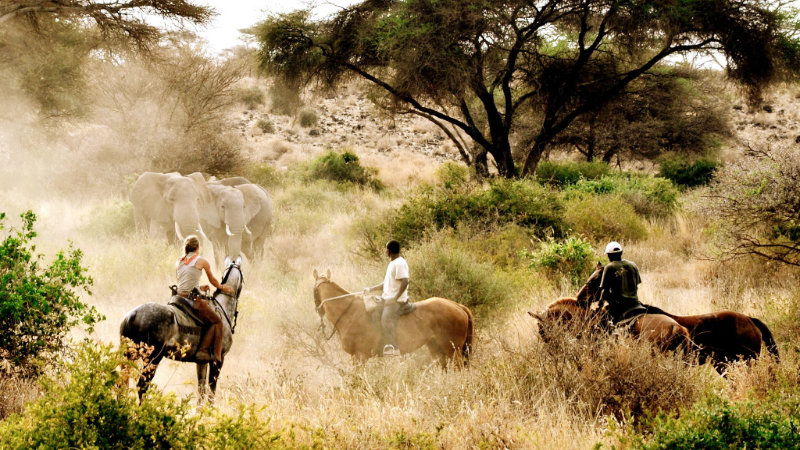
Horseback safaris in the Zambezi bushveld near Victoria Falls offer a unique perspective on African wildlife — riding among elephants, giraffes, and zebras in a way that allows you to approach game more closely than a vehicle, moving through the landscape as part of it rather than observing from outside.
Activity Guide
Riding Through the African Bush
A horseback safari offers a completely different wildlife experience from a vehicle-based game drive. On horseback, you are part of the landscape rather than an observer in a machine. Animals react to a horse and rider very differently from a vehicle — prey species tend to be less wary, allowing closer approaches, and the elevated vantage point provides excellent visibility across the bush.
The Experience
Riding in the Zambezi Area
Horseback safaris near Victoria Falls typically take place in the bushveld surrounding Zambezi National Park. The terrain is a mix of open grassland, mopane woodland, and riverine forest — ideal riding country with good visibility and relatively flat ground.
Wildlife Encounters
The equine perspective changes everything about wildlife viewing:
- Giraffes — often stand and watch curiously as horses approach, allowing remarkably close encounters
- Zebras — seem to recognise horses as distant relatives and frequently allow riders within close range
- Elephants — encounters are managed carefully by guides, maintaining safe distances while still providing impressive views
- Antelope — impala, kudu, waterbuck, and bushbuck are commonly seen, often at distances that would send them fleeing from a vehicle
- Birds — the silence of horseback riding (compared to a diesel engine) allows you to hear and identify birdsong more easily
Riding Levels
Most operators offer rides tailored to different experience levels:
- Beginner rides — gentle walks through the bush, suitable for those with little or no riding experience. Horses are calm, well-trained, and responsive
- Intermediate rides — longer rides covering more ground, with some trotting and cantering through open areas
- Advanced rides — extended bush rides with cantering alongside game, river crossings, and multi-day safari trails for experienced riders
What to Wear
- Long trousers (jodhpurs or sturdy jeans)
- Closed-toe shoes with a small heel (riding boots ideal, but not essential)
- Neutral-coloured clothing (khaki, olive, brown)
- Sun hat that can be secured (some operators provide helmets)
- Sunscreen and sunglasses
There is a communion between horse and rider that makes a horseback safari fundamentally different from every other way to experience the African bush. You are not watching from behind glass — you are in the bush, on an animal that belongs there, moving at a pace that allows the landscape to unfold naturally around you.
What Makes It Special
Unlike a vehicle safari where you're enclosed behind glass and steel, horseback safaris put you at the same level as the wildlife. The absence of engine noise means animals are far less disturbed, allowing closer and longer encounters. Experienced horses are accustomed to wildlife and remain calm around elephants, giraffes, and antelope — though you'll always maintain a safe distance from predators.
Ride Options
Most operators in the region offer several formats:
- Bush rides (1–2 hours): An introductory ride through the bush near the stables. Suitable for beginners and children. You'll likely encounter plains game such as impala, zebra, and warthog.
- Half-day safaris (3–4 hours): Longer rides venturing deeper into game areas. Includes a bush refreshment stop. Previous riding experience is helpful but not essential.
- Full-day expeditions (6–8 hours): For confident riders only. Cover significant distance through varied terrain with a packed lunch in the bush.
- Multi-day riding safaris (2–5 days): The ultimate horseback experience, riding between overnight camps in the wilderness. Available seasonally and limited to experienced riders.
Practical Details
- What to bring: Long trousers, closed shoes with a small heel (riding boots ideal but not essential), sunscreen, hat, and a camera with a secure strap.
- Weight limit: Most operators accommodate riders up to 95–100kg, though this varies.
- Best time: Year-round, but dry season (May–October) offers the best game viewing and most comfortable riding conditions.
- Children: Minimum age typically 8–12 years depending on the operator and ride type.
Where to Ride
Horseback safaris are available near Victoria Falls, in the Zambezi National Park conservancy, and around Hwange. Each location offers a different landscape and wildlife experience — from riverine forest near the Zambezi to open savannah bordering Hwange's concessions.