Bulawayo
City of Kings & Culture
Best Time to Visit
May to September offers pleasant weather and excellent game viewing in nearby Matobo Hills.
Getting There
Joshua Mqabuko Nkomo International Airport (BUQ) connects Bulawayo with Harare and Johannesburg. Connected by A5 highway from Harare and A8 to Victoria Falls.
Region
Bulawayo Province
The City of Kings
Bulawayo stands as Zimbabwe's second city and its undisputed cultural capital — a place where Ndebele heritage, colonial history, and contemporary creativity converge along some of the widest, most gracious avenues on the African continent. King Lobengula laid out these broad streets so that a full span of oxen could turn in the road, and today they give the city a spacious, unhurried character that sets it apart from any other African city.
Founded on the site of Lobengula's royal kraal, Bulawayo's name derives from the Ndebele word meaning "place of slaughter," referencing the violent succession disputes of the Ndebele kingdom. Despite this fierce origin, modern Bulawayo is known for its warm, welcoming residents and a pace of life that encourages visitors to slow down and explore.
Architecture and Heritage
Art Deco Treasures
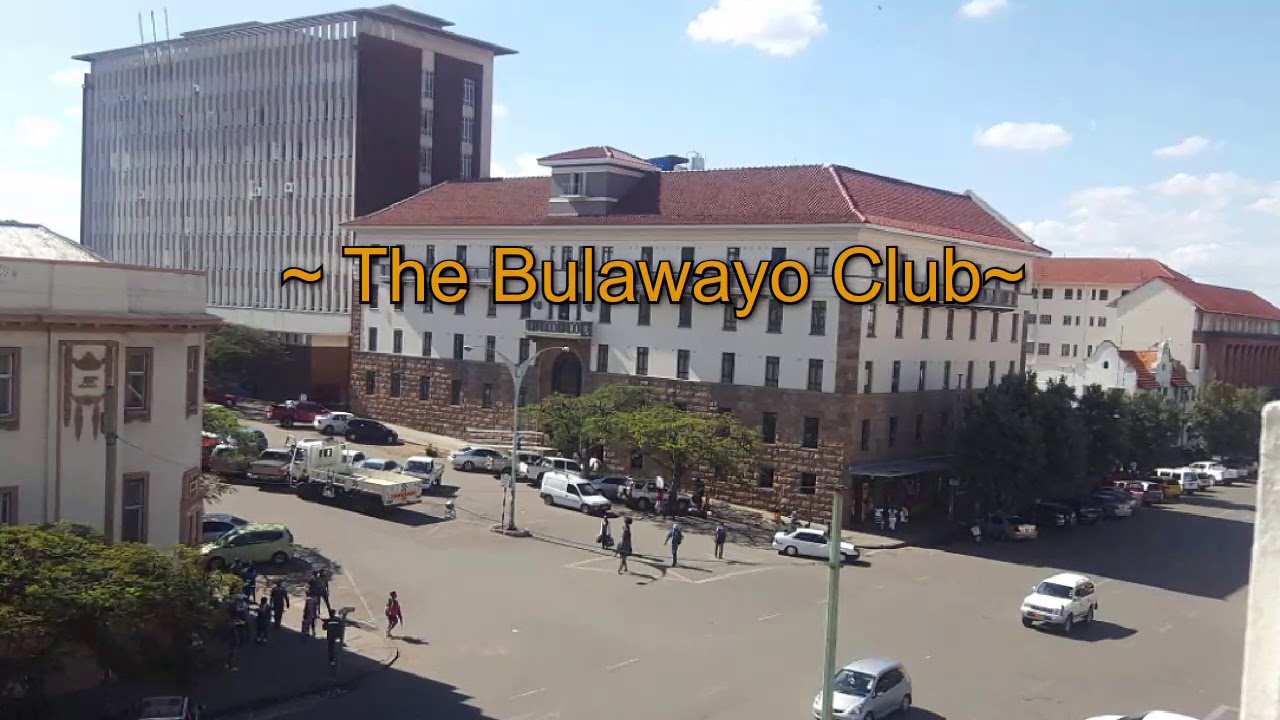
Bulawayo boasts one of the finest collections of Art Deco architecture in Africa, much of it dating from the 1920s and 1930s. The city centre is a living museum of this elegant style, with notable buildings including the Bulawayo Club, the City Hall, the High Court, and numerous commercial buildings along Eighth Avenue and Main Street.
Walking through the city centre reveals intricate facades, geometric patterns, and decorative metalwork that transport you to an era when Bulawayo was one of Southern Africa's most prosperous commercial centres.
Bulawayo Railway Station
The city's railway station is a magnificent colonial-era building and one of the finest on the continent. Built in 1955, it features a grand colonnaded entrance and houses a small railway museum. The station remains a working rail terminal, connecting Bulawayo to Harare and, for adventurous travellers, providing the starting point for occasional steam train excursions.
Museums and Culture
Natural History Museum
The Natural History Museum of Zimbabwe is the largest and most comprehensive museum in Southern Africa. Its collection includes an extraordinary mounted elephant — the second-largest ever recorded — and extensive galleries covering geology, entomology, ornithology, and mammalogy. The museum's Zimbabwe Hall traces the country's history from the Stone Age to independence.
Bulawayo Art Gallery
Located on the corner of Main Street and Leopold Takawira Avenue, the gallery houses a significant collection of Zimbabwean art, including works by prominent Shona sculptors and emerging contemporary artists. Regular exhibitions showcase the depth and diversity of Zimbabwe's art scene.
Mzilikazi Art and Craft Centre
Named after the founder of the Ndebele nation, this centre supports local artisans working in pottery, textiles, metalwork, and painting. Visitors can watch craftspeople at work and purchase directly — a genuine cultural exchange rather than a tourist market.
Food and Nightlife
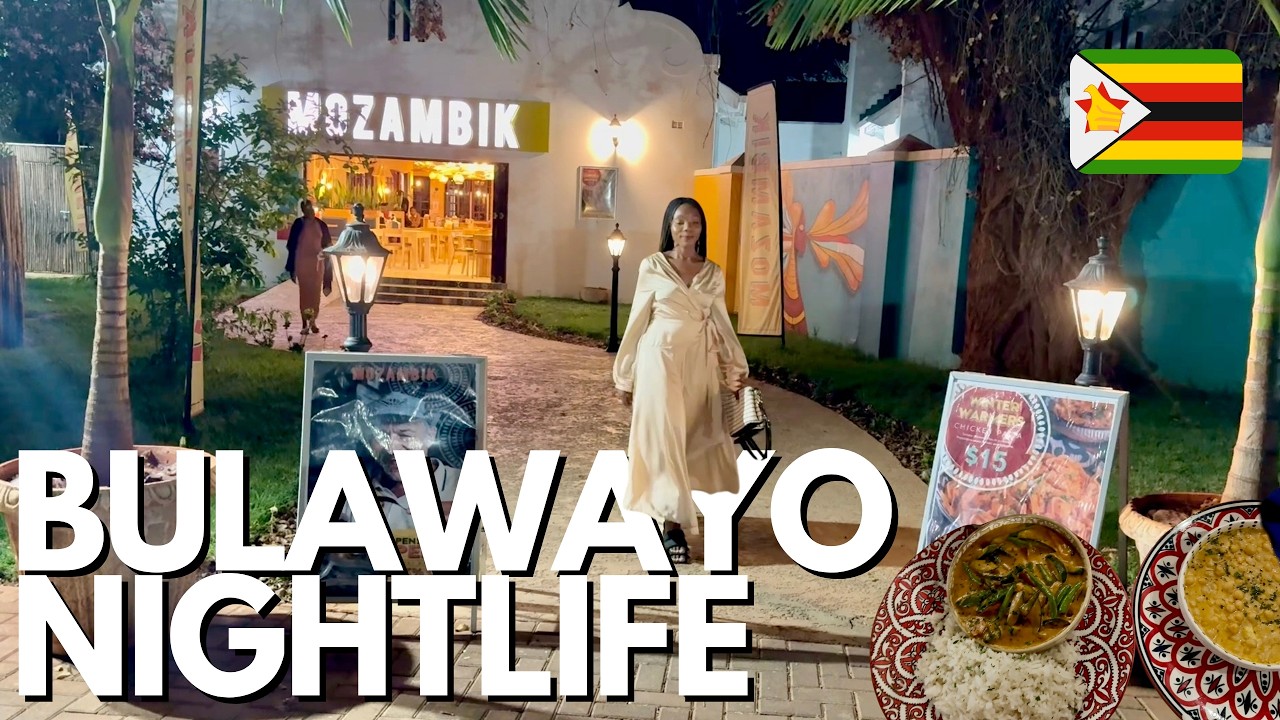
Bulawayo's food scene reflects its multicultural heritage. You'll find excellent braai (barbecue) establishments, Indian restaurants dating back to the city's large Gujarati community, and increasingly inventive contemporary cafés. The city is famous for its roadside vendors selling roasted maize and biltong.
The city's nightlife centres around the suburbs of Hillside and Burnside, where bars, live music venues, and restaurants cater to a diverse crowd. Jazz, Afro-fusion, and traditional Ndebele music all feature prominently.
Day Trips from Bulawayo
Matobo Hills (35 km south)
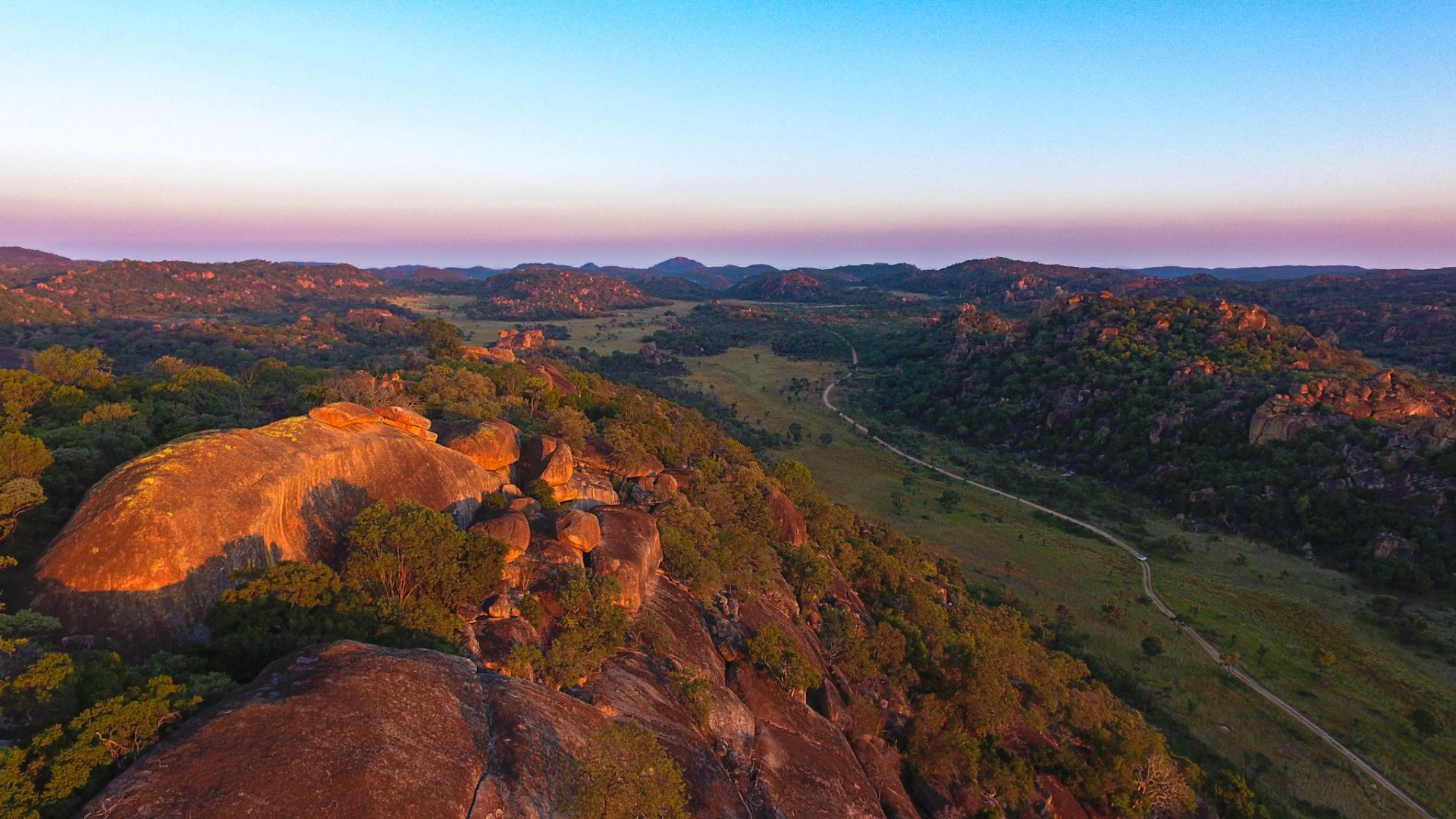
The Matobo Hills UNESCO World Heritage Site is Bulawayo's greatest natural attraction — a landscape of ancient granite formations, prehistoric rock art, and remarkable wildlife. Cecil Rhodes chose to be buried here at a spot he called "View of the World," and the site remains one of Zimbabwe's most visited landmarks. Game drives in the Whovi Game Park offer excellent chances to see both black and white rhinoceros.
Khami Ruins (22 km west)
A UNESCO World Heritage Site, the Khami Ruins are the remains of a 15th-century Torwa state capital. Less visited than Great Zimbabwe but equally significant, the site features impressive stone-walled terraces, passageways, and a museum housing artefacts from the excavations.
Chipangali Wildlife Orphanage (25 km south)
Founded in 1973, Chipangali rescues and rehabilitates orphaned and injured wildlife. Visitors can see lions, leopards, wild dogs, and various antelope species in a conservation-focused setting.
When to Visit
Bulawayo enjoys a pleasant climate year-round, with warm days and cool evenings. The best time to visit is during the dry season (May to October) when temperatures are comfortable and rainfall is minimal. September and October can be hot. The jacaranda trees bloom in October, lining the avenues with a canopy of purple flowers.
Bulawayo is not a city that reveals itself on a quick drive-through. It rewards those who park the car, walk the wide avenues, and talk to the people. In Bulawayo, strangers become friends over a plate of sadza and a conversation that somehow stretches past sunset.