Photography Tours
Specialist photography tours in western Zimbabwe cater to serious photographers seeking the perfect shot — from the dramatic spray and rainbows of Victoria Falls to the epic wildlife at Hwange's waterholes, guided by experts who understand light, composition, and animal behaviour.
Activity Guide
Capturing Western Zimbabwe
Western Zimbabwe is one of the most photogenic regions on the African continent. The combination of Victoria Falls' drama, Hwange's wildlife abundance, the Matobo Hills' ancient landscapes, and the Zambezi's golden light creates opportunities that draw photographers from around the world.
Specialist Photography Guides
The best photography tours are led by guides who are accomplished photographers themselves — professionals who understand not just where to find wildlife, but how to position you for the best light, the best background, and the most compelling composition.
What a Photography Guide Offers
- Positioning — placing the vehicle or walking position for optimal light direction (front-lit for detail, back-lit for drama, side-lit for texture)
- Timing — knowing which waterholes, locations, and subjects will be at their best at different times of day
- Patience — willing to wait at a location for the decisive moment rather than rushing to tick off species
- Technical advice — camera settings, lens selection, and exposure recommendations for challenging conditions (spray, dust, harsh light)
- Vehicle setup — bean bags, gimbal mounts, and vehicle positions optimised for stable, comfortable shooting
Key Photography Locations
Victoria Falls
- Rainforest Trail — the sixteen viewpoints offer different compositions of the falls, with rainbows, spray, and lush green rainforest framing
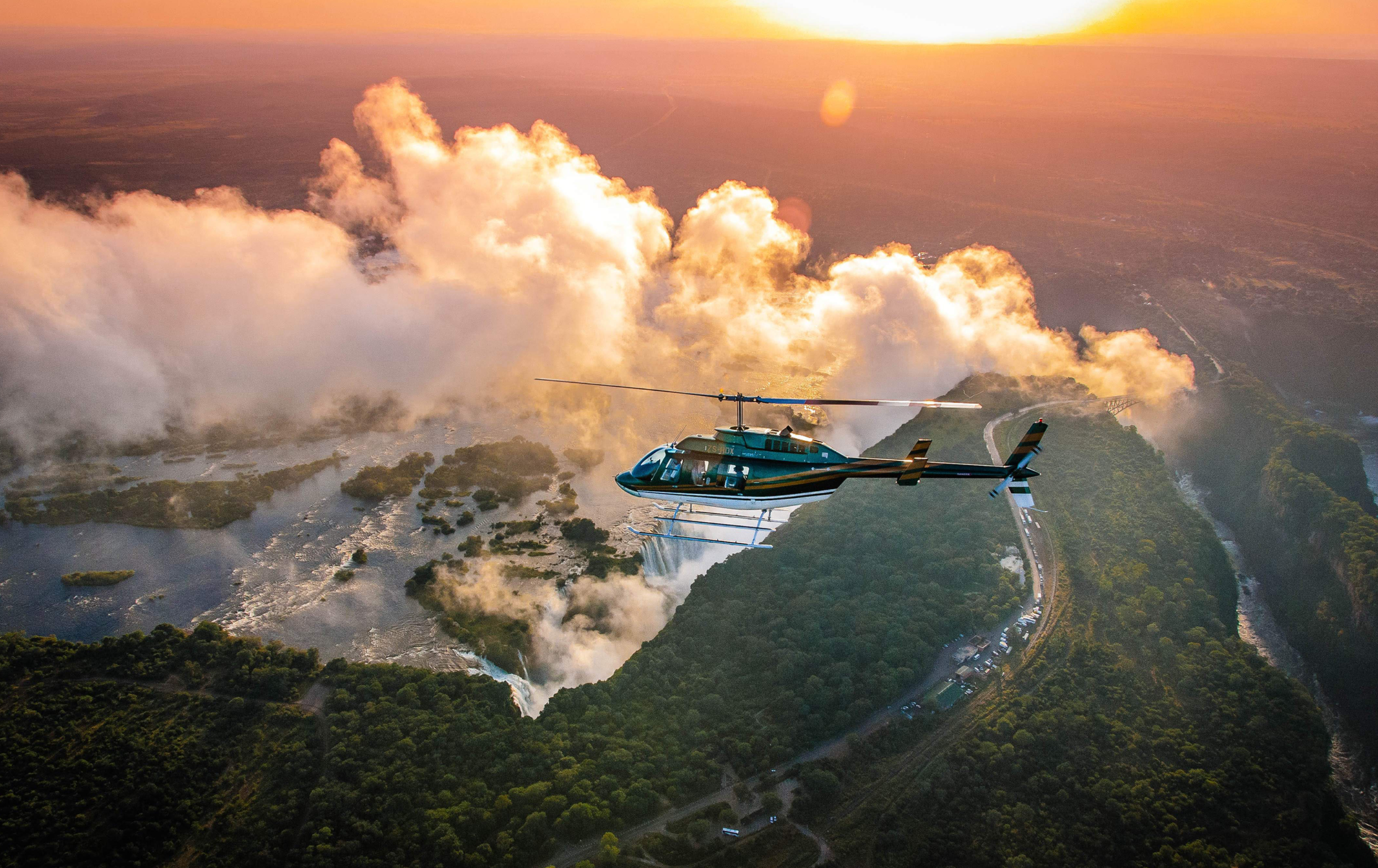
- Aerial views — helicopter or microlight flights provide unique perspectives
- Long exposures — using ND filters to blur the water creates ethereal, painterly images of the falls
Hwange Waterholes
- Sunken hides — ground-level hides at waterholes put you at eye level with drinking elephants, creating powerful intimate portraits
- Sunset silhouettes — elephants and other wildlife silhouetted against fiery African sunsets are among the most iconic images from this region
- Action shots — predator-prey interactions, elephant bathing, and bird hunting provide high-energy action photography
Matobo Hills
- Landscape photography — the balancing rocks and granite formations create extraordinary compositions, particularly at sunrise and sunset
- Verreaux's eagles — photographing these powerful raptors in flight against the dramatic backdrop of the hills
- Rock art — with appropriate lighting and a macro lens, the ancient San paintings provide fascinating subjects
Zambezi River
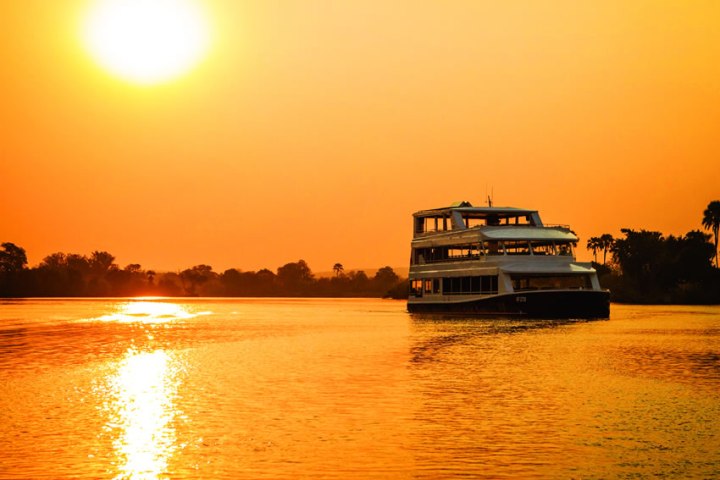
- Golden hour — the Zambezi's calm, reflective surface catches sunset colours beautifully
- Wildlife reflections — elephants, hippos, and birds reflected in still water
- African fish eagle — the dramatic fishing strike of a fish eagle is one of Africa's most sought-after action shots
Equipment Recommendations
- Wide-angle zoom (16-35mm) — essential for falls, landscapes, and environmental portraits
- Mid-range zoom (24-70mm or 24-105mm) — versatile workhorse for diverse subjects
- Telephoto zoom (100-400mm or 200-600mm) — critical for wildlife
- Prime telephoto (500mm or 600mm) — for serious bird and wildlife photographers
- Filters — circular polariser (reduces spray reflections), ND filters (for long exposures of the falls)
- Protection — waterproof bags for the spray, dust covers for Hwange's dry conditions
Photography in western Zimbabwe is not about the camera — it is about the light, the moment, and the connection between photographer and subject. The best images from this region are not simply technically excellent; they capture something of the spirit of a landscape that has inspired awe for millions of years.