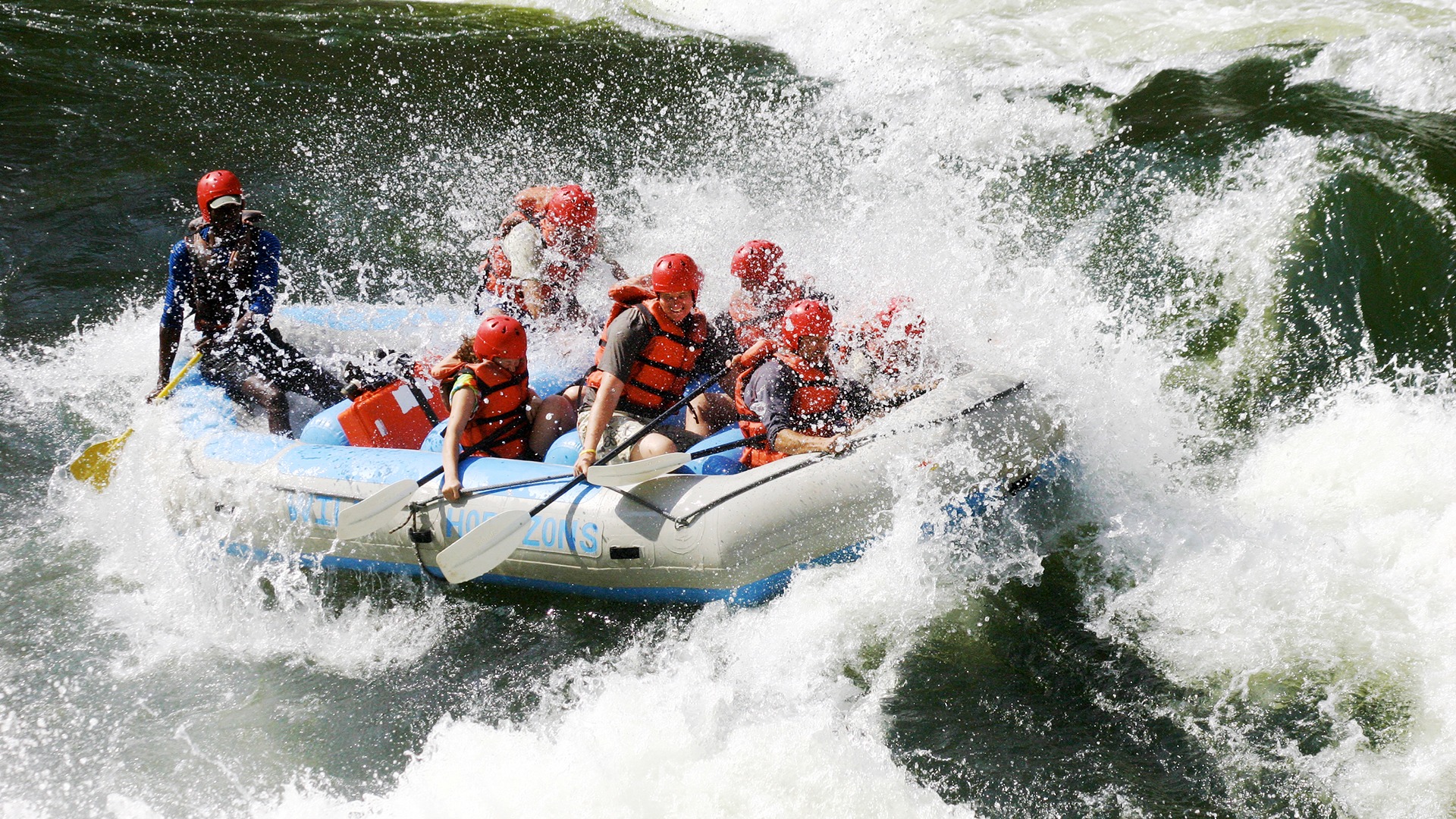
Few adventure experiences on earth match the raw, adrenaline-soaked spectacle of white water rafting on the Zambezi River below Victoria Falls. Within minutes of launching into the gorge, you are swallowed by sheer basalt walls, deafened by roaring water, and confronted by some of the most powerful rapids commercially rafted anywhere in the world. This is not a gentle float through scenic countryside , it is a full-day physical and psychological challenge that regularly flips boats, submerges paddlers, and leaves grown adults laughing uncontrollably on riverside beaches. It is also, by near-universal agreement among those who have done it, absolutely magnificent. Whether you are a first-time rafter drawn by the legend of Commercial Suicide or an experienced paddler ticking off the world's great rivers, the Zambezi delivers something genuinely extraordinary. This guide covers everything you need to plan, prepare for, and make the most of your rafting day , from choosing the right season and operator to understanding each major rapid and knowing what to pack in your dry bag.
Why the Zambezi Is Rated Among the World's Best
The Zambezi's reputation as a world-class white water destination is not marketing hyperbole. It is built on a very specific set of geographical and hydrological circumstances that combine to create something almost uniquely thrilling. The river drops over Victoria Falls , one of the largest waterfalls on earth , and is immediately forced through a series of narrow basalt gorges carved over millions of years. The gorge walls funnel enormous volumes of water through constricted channels, creating the hydraulic power that drives the rapids. Unlike many great rafting rivers, the Zambezi also benefits from consistently warm water temperatures of 20–24°C year-round, meaning there is no cold-shock risk when you swim, and you will swim.
What sets the Zambezi apart from other Grade 5 destinations , such as the Futaleufú in Chile or the Sun Kosi in Nepal , is the sheer density of major rapids. You are not paddling kilometres of flatwater between highlights. The gorge delivers 25 significant rapids in approximately 23 kilometres, with multiple Grade 5 sections clustered in the first half of the run. The scenery compounds the experience: the gorge walls rise 120 metres above the river in places, eagles circle overhead, and the mist from Victoria Falls is often visible drifting above the canyon rim.
There is also a remarkable safety record. Reputable operators have run commercial trips on this stretch since the mid-1980s, accumulating decades of knowledge about every hydraulic, every eddy, and every line through each rapid. The safety kayakers who accompany every trip are among the most skilled river rescue professionals in the world. Fatalities are extremely rare , a fact that speaks to the professionalism of the industry rather than any lack of intensity in the water.
"I've rafted in New Zealand, Costa Rica, and Nepal. The Zambezi is in a different league. The rapids are bigger, the gorge is more dramatic, and the whole thing feels genuinely wild , but the safety operation is completely reassuring. I flipped twice and loved every second of it."
For travellers already visiting the region, the rafting fits naturally into a broader Zimbabwe itinerary. Our Complete Guide to Victoria Falls: Activities, Viewpoints, Best Time to Visit & Insider Tips covers the full spectrum of what the area offers, from helicopter flights over the falls to sunset cruises on the upper Zambezi , but rafting the gorge is, for many visitors, the centrepiece experience.
At a Glance: Key Facts and Figures
Before diving into the detail, here is a concise reference table covering the essential statistics every prospective rafter needs to know. Prices are quoted in USD, which is the standard currency for tourism transactions in Victoria Falls.
| Detail | Full Day | Half Day (Low Water) |
|---|---|---|
| River distance covered | ~23 km (Rapids 1–25) | ~7 km (Rapids 1–13) |
| Number of major rapids | 25 | 13 |
| Highest grade encountered | Grade 5 | Grade 5 (low water season) |
| Typical duration on water | 7–8 hours | 3–4 hours |
| Approximate cost (2025) | USD $150–180 per person | USD $95–120 per person |
| Minimum age | 15 years | 12 years (low water only) |
| Minimum fitness level | Moderate , must be able to swim | Low-moderate |
| Water temperature | 20–24°C year-round | 20–24°C year-round |
| Gorge exit method | Helicopter or 200m cliff climb | Helicopter or cliff climb |
ℹ️ Zimbabwe vs Zambia side: The rafting trip can be booked from either the Zimbabwe or Zambia bank, and the river experience is identical , you are in the same gorge on the same water. The Zimbabwe side is generally considered to have slightly better logistics and a wider choice of operators. Check visa requirements for both countries before booking if you plan to cross the border. Our Planning Your Trip to Western Zimbabwe: Visas, Flights, Budget, and Practical Tips guide has current entry information.
Best Time to Go: Seasons, Water Levels, and What Changes
The single most important planning decision for Zambezi rafting , after simply deciding to do it , is when to go. Water levels on the Zambezi fluctuate dramatically between seasons, and those fluctuations have a direct impact on which rapids are accessible, how intense the experience is, and in some cases whether commercial rafting is possible at all.
| Month | Water Level | Rapids Accessible | Experience | Verdict |
|---|---|---|---|---|
| Jan–Mar | Very high / flood | Rafting often suspended | N/A | ❌ Avoid for rafting |
| April | High, dropping | Limited (upper section only) | Powerful but fewer rapids | ⚠️ Marginal |
| May–Jul | Moderate, falling | Most rapids open | Good , increasing intensity | ✅ Good |
| Aug–Oct | Low | All 25 rapids accessible | Maximum rapids, most technical | ⭐ Best for rafting |
| Nov–Dec | Low to rising | All or most rapids open | Excellent, fewer crowds | ⭐ Excellent |
The low water season (August to December) is universally recommended for rafting. At low water, the basalt rock formations that create the rapids are fully exposed, producing the hydraulic features , holes, stoppers, and standing waves , that give the Zambezi its reputation. Rapid 9, Commercial Suicide, is only fully formed at low water; at high water it washes out into a large, relatively straightforward wave. Conversely, the iconic spray and mist of Victoria Falls itself is far more dramatic during the high water months of March and April, when the falls are at their most thunderous.
This creates a genuine trade-off for visitors. If seeing the falls at their most spectacular is the priority, February to April is optimal. If rafting is the centrepiece of the trip, August to November is the clear choice. Many experienced travellers resolve this by visiting twice , or by accepting that the falls in low season, while less voluminous, are still utterly spectacular and offer the added bonus of being able to access Devil's Pool, the natural infinity pool at the lip of the falls that is only safe during low water months.
💡 Timing tip: September and October offer the best combination of rafting conditions, warm temperatures, and good wildlife viewing in nearby Hwange National Park. If you are planning a broader Zimbabwe itinerary that includes a safari, these months allow you to optimise both experiences. See our Safari Guide to Hwange National Park for detailed seasonal advice.
The Famous Rapids: A Rapid-by-Rapid Breakdown
The 25 rapids of the Zambezi gorge each have a distinct character, a name earned through decades of paddling history, and a specific set of hazards and thrills. Not every rapid is a Grade 5 monster , the gorge also offers calmer stretches of flatwater where you can swim, catch your breath, and appreciate the extraordinary scenery. But the headline rapids are genuinely formidable, and understanding what lies ahead is part of the preparation.
Rapid 1 , The Boiling Pot (Grade 4): Your introduction to the gorge begins not with a bang but with a geological marvel. The Boiling Pot is a vast circular eddy at the base of Victoria Falls, where the river swirls in powerful circular currents within a natural basalt amphitheatre. The mist from the falls drifts overhead, soaking everything. It is dramatic, slightly disorienting, and the perfect psychological primer for what follows.
Rapid 4 , Morning Glory (Grade 4): A clean, well-formed wave train that gives paddlers their first taste of coordinated team paddling through big water. The waves are large enough to be exhilarating but the line is relatively straightforward , most rafts stay upright, most paddlers emerge grinning.
Rapid 5 , Stairway to Heaven (Grade 5): The name is apt. A long, technically demanding rapid that drops through multiple distinct stages, each delivering its own standing waves and hydraulic features. Guides must read the water carefully and choose their line precisely. Flips happen here, particularly in the lower section.
Rapid 7 , Gnashing Jaws of Death (Grade 4): The name is designed to terrify, the reality is rather more forgiving. A splashy, fun rapid that almost always keeps its passengers aboard. It serves as a useful confidence-builder before the serious Grade 5s that follow.
Rapid 9 , Commercial Suicide (Grade 5): This is the rapid the Zambezi is famous for. A massive hydraulic hole sits at the bottom of a significant drop, and at low water it is a genuine beast , approximately 50% of rafts flip attempting the main line. Guides will typically scout this rapid from the bank and make a judgement call on conditions. Some groups portage (walk around) it; most attempt it. The swim, if it comes, is long and powerful, but safety kayakers are positioned throughout.
Rapid 11 , The Overland Truck Eater (Grade 5): Named with dark humour for its ability to consume large objects, this rapid features violent hydraulics in a constricted section of the gorge. The noise alone is intimidating.
Rapid 18 , Oblivion (Grade 5): Positioned in the second half of the full-day run, Oblivion functions as a grand finale , a fitting crescendo that arrives just when paddlers might be beginning to feel comfortably experienced. It is a reminder that the Zambezi does not ease off.
"Commercial Suicide lives up to its name. We flipped, I was underwater for what felt like thirty seconds, and then a safety kayaker appeared from nowhere and pulled me to an eddy. Fifteen minutes later I was back in the raft, laughing. It's the most alive I've ever felt."
⚠️ Important: Rapid grades on the Zambezi are assessed at low water. At high water, some Grade 5 rapids wash out to Grade 3–4, while others become genuinely unraftable and are portaged. Your guide will make all portage decisions on the day based on current conditions , always follow their judgement without question.
Part 2 continues with sections on the full-day itinerary, choosing an operator, what to wear and bring, safety procedures, combining rafting with other activities, and practical booking tips...
What to Expect on the Water: Rapids, Swims, and Survival
No amount of reading fully prepares you for the moment your raft tips over the lip of a Grade 5 rapid and the world turns white. The Zambezi below Victoria Falls is genuinely one of the most technically demanding commercial rafting rivers on earth, and understanding what you're about to face helps you perform better , and enjoy it more.
The day typically begins at the top of the gorge with a steep descent (anywhere from 150 to 250 steps depending on the put-in point). By the time you reach the river, the scale of the canyon becomes viscerally real. The walls tower above you, the water is a deep, churning green, and the roar is constant.
Your guide will walk you through each rapid before you run it. They'll explain the line , the preferred route through the chaos , and assign roles: paddlers on the left and right, a person on the high side to prevent flipping, and instructions for what to do if you swim. "Swimming" the Zambezi is almost a rite of passage; most rafters end up in the water at least once. The key is to stay calm, keep your feet up and pointing downstream, and wait for your guide or safety kayaker to reach you.
Highlights include the infamous Rapid 9 (Commercial Suicide), the long, rolling chaos of Rapid 18 (Oblivion), and the deceptively named Rapid 7 (Gulley), which has humbled many overconfident paddlers. Between rapids, the river flattens into glassy pools where you can swim, spot fish eagles overhead, and catch your breath before the next assault.
The take-out point involves another steep climb up the gorge wall , tiring after a full day of paddling, but the views back down the canyon make every step worthwhile. Most operators provide a cold drink and snack at the top, and the drive back to town is filled with the particular euphoria that only comes from surviving something genuinely difficult.
Choosing an Operator and Booking Your Trip
The rafting industry at Victoria Falls is well-established but variable in quality. Choosing the right operator matters , not just for safety, but for the overall experience. A knowledgeable, enthusiastic guide can transform a frightening day into an unforgettable one.
Most reputable operators are members of the Zambezi Rafting Operators Association and operate under licences issued by the Zimbabwe Parks and Wildlife Management Authority. Always confirm this before booking. Avoid booking through unlicensed touts at the town centre, no matter how attractive the price.
| Operator Type | Approx. Full-Day Price (USD) | Half-Day Available? | Minimum Age | Group Size |
|---|---|---|---|---|
| Premium operator (e.g., Shearwater, Safari Par Excellence) | $160–$185 | Yes (Oct–Dec only) | 15 years | Up to 8 per raft |
| Mid-range licensed operator | $120–$155 | Seasonal | 15 years | Up to 8 per raft |
| Budget operator (licensed) | $95–$115 | Rarely | 15 years | Up to 10 per raft |
| Private guided experience | $250–$350+ | Yes | Flexible | 2–4 per raft |
Prices typically include transport from your accommodation, all safety equipment, a professional guide, safety kayakers, a riverside lunch, and a post-trip drink. Some operators include a video package for an additional $30–$50 , worth considering, as personal cameras are not permitted on the water for safety reasons.
If you're combining rafting with other adventures, many operators offer bundled packages. Pairing a rafting day with a Helicopter Flight over the falls the following morning makes for an extraordinary two-day experience , the contrast between aerial serenity and aquatic chaos is genuinely remarkable. You might also consider adding a Bungee Jump or Bridge Swing from the Victoria Falls Bridge on the same day as your rafting briefing, since you're already in the gorge area.
For broader activity planning and honest reviews of what's worth your money in the region, the Complete Guide to Victoria Falls covers every major activity with up-to-date pricing and seasonal advice.
Budget Breakdown and Practical Planning
Victoria Falls is one of southern Africa's more expensive destinations, but with careful planning, a rafting trip can be part of a well-managed budget. Here's a realistic breakdown of what to expect when planning your day on the Zambezi.
| Expense | Budget Option | Mid-Range | Premium |
|---|---|---|---|
| Rafting trip (incl. equipment, guide, lunch) | $95–$115 | $140–$160 | $175–$185 |
| Video package (optional) | $30 | $40 | $50 |
| Zimbabwe KAZA Univisa (if not already purchased) | $50 (one-off, covers Zimbabwe and Zambia) | ||
| National Park entry fee (included by most operators) | $10 | Included | Included |
| Tip for guide (recommended) | $10–$15 | $15–$20 | $20–$30 |
| Post-trip meal and drinks | $10–$15 | $20–$30 | $30–$50 |
| Estimated Total | $155–$185 | $215–$250 | $275–$315 |
Accommodation costs vary enormously. Backpacker lodges in Victoria Falls town start at around $25 per night for a dorm bed, while mid-range guesthouses run $80–$150 for a double room. For a full overview of where to rest your head after an exhausting day on the river, the guide to Where to Stay and Eat in Victoria Falls Town covers everything from budget hostels to luxury lodges, along with the best local restaurants for a post-rafting meal.
If you're extending your Zimbabwe trip beyond the falls, the Planning Your Trip to Western Zimbabwe guide covers visa requirements, internal transport, and realistic budget planning for a longer itinerary. Many travellers combine Victoria Falls with a safari at Hwange National Park , the Safari Guide to Hwange is essential reading before you go.
Beyond the Rapids: Extending Your Adventure
White water rafting is the headline act, but the Zambezi gorge and the wider Victoria Falls region offer an extraordinary supporting cast of adventures. Once you've conquered the river, there's every reason to linger.
On the water, the contrast between the roaring rapids and the stillness of a Sunset Cruise upstream could not be more dramatic. As the sun drops behind the treeline and hippos surface in the shallows, it's hard to believe you spent the morning being hurled through Grade 5 rapids. These cruises depart from the Zambezi River Lodge jetty and typically cost $45–$65 per person, including drinks and snacks.
For those who want to push their limits further, the Bungee Jump from the Victoria Falls Bridge , a 111-metre free fall over the gorge , is one of the most iconic leaps in the world. The Bridge Swing offers a slightly less terrifying but equally thrilling alternative. Both can be booked through the same operators running rafting trips.
If you're travelling with family or prefer something more contemplative, Walking with Lions and Elephant Experiences offer close wildlife encounters in a controlled, ethical setting. Village Tours provide genuine insight into local Tonga and Ndebele culture , a meaningful counterpoint to the adrenaline-focused activities.
For those interested in cultural heritage alongside their adventures, the Matobo Hills guide and the feature on Ndebele Culture and Heritage offer rich context for a region that rewards curious travellers. And if you're still in the planning stages, the Ultimate Guide to Victoria Falls is the best single resource for first-time visitors to the region.
Whatever combination of activities you choose, Travel Advice on this site is regularly updated with entry requirements, safety information, and practical tips for visiting Zimbabwe. If you have specific questions, the team is always available via the Contact Us page.
Final Thoughts
There are adventure experiences, and then there is white water rafting on the Zambezi below Victoria Falls. Few activities anywhere in the world combine such raw natural power, genuine physical challenge, and sheer visual spectacle in a single day. The canyon walls, the thundering rapids, the moments of terrifying beauty , it all adds up to something that stays with you long after the bruises have faded.
What makes the Zambezi particularly special is its accessibility. Unlike many extreme experiences that require weeks of preparation or elite fitness, this is something that any reasonably healthy adult with a sense of adventure can do. The guides are experienced, the safety systems are well-developed, and the river , for all its ferocity , has been run commercially for decades. The risk is real but managed; the reward is extraordinary.
Plan carefully, choose a reputable operator, respect the river, and go with an open mind. Whether you're a seasoned rafter ticking the Zambezi off your bucket list or a first-timer who's never been in a raft before, the experience will meet you exactly where you are and push you just a little further than you thought you could go. That, ultimately, is what great adventure travel does.
Ready to start planning? Use the Trip Planner to build your Victoria Falls itinerary, browse the Business Directory for vetted local operators, and read the full Zambezi rafting guide again before you go. The river is waiting.
Frequently Asked Questions
Do I need previous rafting experience to raft the Zambezi?
No prior experience is required. Commercial operators on the Zambezi cater specifically to first-timers and provide comprehensive safety briefings before entering the water. Your guide will coach you through paddle techniques and emergency procedures. What matters most is a reasonable level of fitness, the ability to swim, and a willingness to follow instructions quickly and calmly under pressure.
What is the best time of year to go white water rafting on the Zambezi?
The best rafting conditions occur between August and December, when water levels are lower and the full sequence of Grade 4–5 rapids is accessible. The peak season is September to November. From February to July, high water levels caused by seasonal rains submerge many lower rapids, and rafting is either restricted or limited to upper sections only. Always check current conditions before booking.