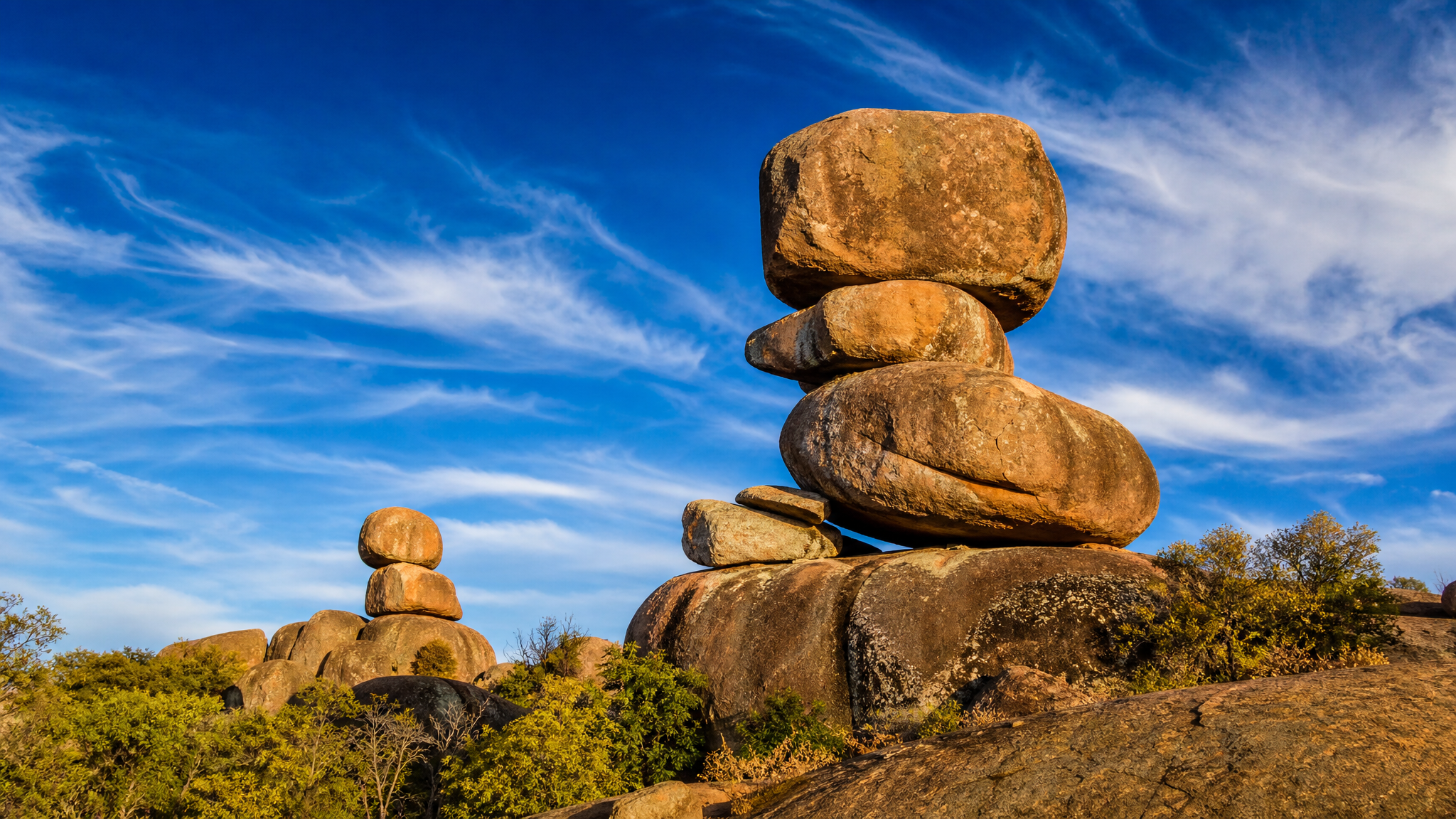
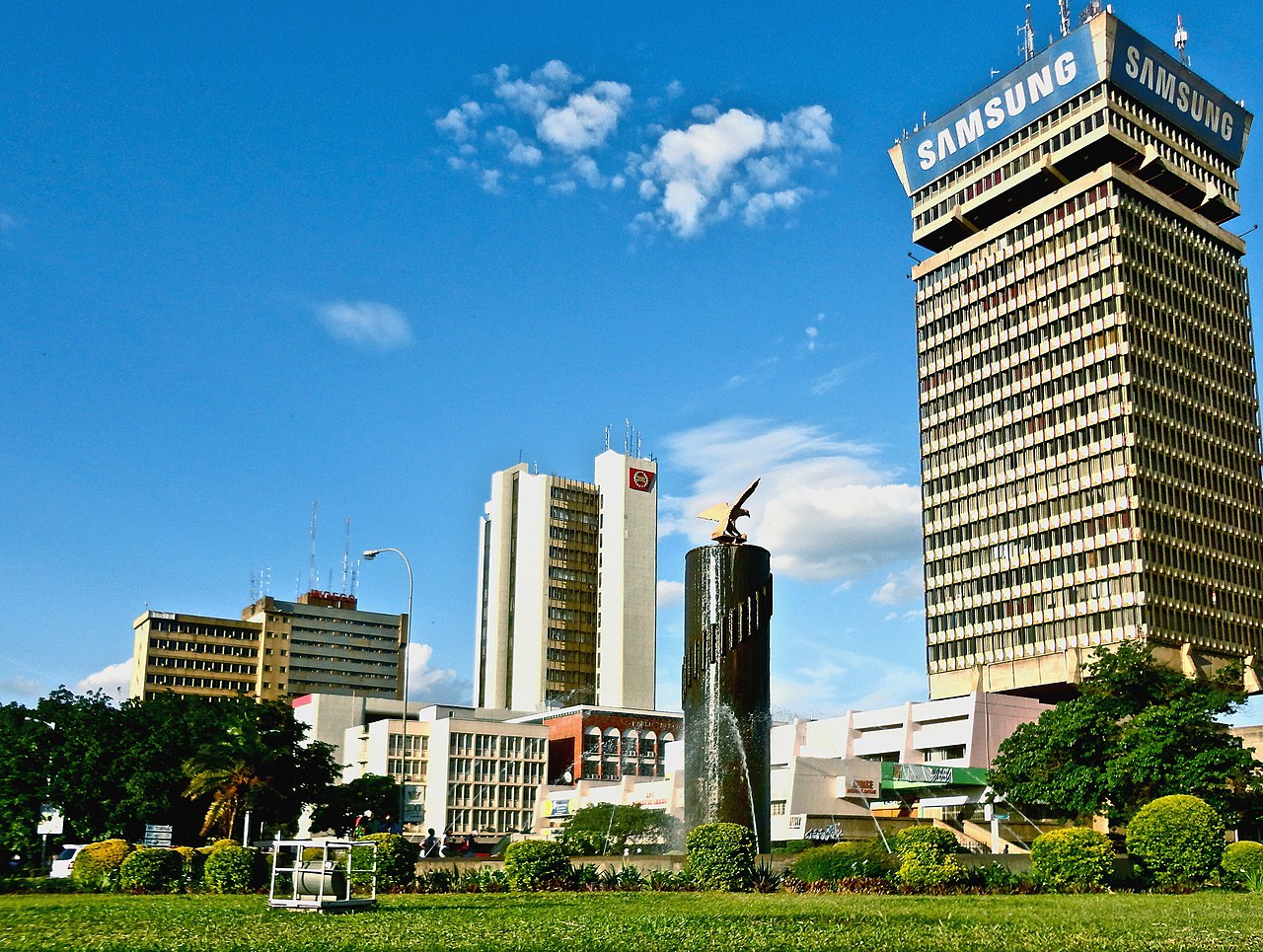
Western Zimbabwe is a region where history doesn't sit behind glass in a museum , it lives in the landscape, in the daily practices of communities, and in artistic traditions stretching back thousands of years. Bulawayo and the surrounding province of Matabeleland offer travellers something increasingly rare: a genuinely layered cultural experience that connects pre-colonial African civilisation, one of Southern Africa's most powerful 19th-century kingdoms, and living heritage that continues to evolve today. Whether you're arriving as part of The Great Western Zimbabwe Road Trip from Victoria Falls to Bulawayo or making Matabeleland the sole focus of your journey, the depth of Ndebele culture and San rock art here will reframe everything you thought you knew about this part of the continent.
A Brief Historical Timeline of Matabeleland
Understanding Ndebele culture requires understanding the extraordinary depth of human history in this corner of Zimbabwe. The story begins not with the Ndebele themselves, but with the San people , hunter-gatherers who inhabited the Matobo Hills and surrounding granite landscapes for tens of thousands of years before any Bantu-speaking peoples arrived.
Pomongwe Cave, one of the most significant archaeological sites in the entire African continent, shows evidence of continuous human occupation stretching back more than 40,000 years. The San left behind a visual record of breathtaking sophistication: over 3,000 documented rock art sites across the Matobo Hills alone, many of which remain vivid and intact today. These paintings are not mere decoration , they encode complex spiritual beliefs, shamanistic rituals, and an intimate ecological knowledge of the landscape.
The Ndebele chapter of this story begins in the 1830s, when King Mzilikazi led his people northward from present-day South Africa following conflict with both the Zulu king Shaka and encroaching Boer settlers. The Ndebele , also known as the Matabele , established a powerful kingdom centred on what is now Bulawayo, building a sophisticated military and administrative state that dominated the region for over six decades.
| Period | Event | Significance |
|---|---|---|
| ~40,000 years ago | Pomongwe Cave first occupied | One of Africa's longest continuously inhabited sites |
| ~13,000 BC | San rock art created across Matobo Hills | Oldest artistic record in the region; over 3,000 sites documented |
| 1830s | Ndebele migration from South Africa under King Mzilikazi | Foundation of the Ndebele kingdom in Matabeleland |
| 1840s–1868 | Mzilikazi's reign from Bulawayo | Kingdom consolidated; Bulawayo established as capital |
| 1868–1893 | King Lobengula's reign | Kingdom reaches its zenith; complex diplomacy with colonial powers |
| 1893 | British South Africa Company invasion | End of Ndebele kingdom's independence; Lobengula flees and dies |
| 1896 | First Matabele Uprising (Umvukela) | Armed resistance against colonial rule |
| 1989 | Matobo Hills designated UNESCO World Heritage Site | International recognition of cultural and natural significance |
The colonial period brought profound disruption, but Ndebele culture proved resilient. Language, ceremony, art, and oral tradition survived , and continue to be practised and celebrated across Matabeleland today.
The San Rock Art of Matobo Hills
The Matobo Hills UNESCO World Heritage Site contains one of the highest concentrations of rock art anywhere in Southern Africa, and visiting these ancient galleries is among the most profound cultural experiences available to travellers in Zimbabwe. More than 3,000 individual sites have been recorded, with the oldest paintings dating back at least 13,000 years , though some scholars believe certain sites may be considerably older.
The paintings were created by San (Bushmen) artists using natural pigments: red and yellow ochre, white clay, and black manganese oxide, often mixed with animal fat or blood to bind the pigment to rock. The remarkable preservation of many sites , vivid reds and oranges still glowing against granite , is partly due to the sheltered overhangs and the chemical properties of the rock itself.
"The first time I stood in front of the giraffe frieze at Nswatugi Cave, I had to remind myself these images were painted thousands of years before the Roman Empire existed. The scale of human time here is humbling." , Traveller review, 2024
What makes the Matobo rock art particularly significant is its interpretive depth. These are not simple records of animals seen on a hunt. San rock art is now understood by researchers , most notably the late Professor David Lewis-Williams of the University of the Witwatersrand , to be deeply connected to shamanistic trance practices. The images encode visions experienced during altered states of consciousness, spiritual journeys, and beliefs about the relationship between the human and spirit worlds. Without this context, a painting of an eland is just a painting of an eland. With it, the same image becomes a window into one of humanity's oldest surviving spiritual traditions.
🎨 Always visit with a guide: The difference between visiting rock art sites alone and visiting with a knowledgeable guide is the difference between seeing pictures and understanding stories. Licensed guides at the Matobo Hills can interpret the spiritual and cultural layers embedded in images that might otherwise appear straightforward. Guide fees typically range from $10–$20 USD per person for a half-day site visit.
| Rock Art Site | Key Highlights | Difficulty | Guide Required? | Distance from Bulawayo |
|---|---|---|---|---|
| Nswatugi Cave | Stunning frieze of giraffe and kudu; vivid, well-preserved colours | Easy (10-min walk) | Recommended | ~45 km |
| Pomongwe Cave | 40,000+ years of occupation; layered paintings across multiple eras | Easy (5-min walk) | Recommended | ~43 km |
| Silozwane Cave | Dynamic hunting scenes; exceptional animal behaviour detail | Moderate (45-min hike) | Required | ~52 km |
| Bambata Cave | Major archaeological site; early ceramic finds; multiple painting layers | Moderate (30-min hike) | Required | ~60 km |
💡 Best time to visit rock art sites: Early morning (before 9:30am) offers the best light for photography and the coolest temperatures for walking. The Matobo Hills are accessible year-round, but the dry season (May to October) makes hiking considerably more comfortable. Entrance to Matobo National Park costs approximately $15 USD per person for international visitors.
The Rise and Fall of the Ndebele Kingdom
The Ndebele kingdom is one of the most remarkable political entities in 19th-century African history , a state that emerged from displacement, adapted to a new landscape, and built a sophisticated civilisation before being dismantled by colonial conquest within a single lifetime. Understanding this history is essential to understanding modern Ndebele identity, which carries both the pride of that kingdom and the trauma of its ending.
King Mzilikazi kaMashobane was originally a general under the Zulu king Shaka. Following a falling-out , accounts differ on the precise cause , Mzilikazi led his followers on a long northward migration through what is now South Africa, gathering other groups along the way and forging them into a new nation. The Ndebele arrived in present-day Zimbabwe around 1838–1840, settling in Matabeleland and establishing their capital at Bulawayo (a name derived from the Ndebele word meaning "place of killing" , a reference to the political executions that were part of royal governance).
The kingdom Mzilikazi built was organised along military lines, with the male population divided into age-based amabutho (regiments) that served as both an army and a labour force. Young men from absorbed communities were integrated into these regiments, creating a multiethnic state bound by shared culture and loyalty to the king rather than purely by ethnicity.
"Mzilikazi was one of the great state-builders of 19th-century Africa. What he created in Matabeleland in just a few decades was a functioning kingdom with sophisticated governance, military organisation, and cultural life." , Dr Pathisa Nyathi, Ndebele historian and author
When Mzilikazi died in 1868, his son Lobengula inherited the throne and ruled during the most turbulent period in the kingdom's history. Lobengula was an astute diplomat who understood the growing threat posed by British imperial expansion, but he was ultimately unable to prevent it. In 1888, he signed the Rudd Concession , a document he believed granted only limited mining rights, but which Cecil Rhodes used to claim sovereignty over his entire kingdom. The First Matabele War of 1893 ended Ndebele independence. Lobengula burned Bulawayo and fled northward, dying in early 1894 under circumstances that remain disputed.
⚠️ Sensitive history: The 1893 war and subsequent Gukurahundi period of the 1980s are both deeply sensitive topics in Matabeleland. Travellers should approach conversations about this history with respect and genuine curiosity rather than as casual tourist talking points. Many families in the region carry direct personal connections to both periods of violence.
The legacy of the Ndebele kingdom is preserved not just in museums but in living culture: in the isiNdebele language spoken by millions across Zimbabwe and South Africa, in praise poetry (izibongo) still recited at ceremonies, and in a strong regional identity that remains a defining feature of Matabeleland life. If you're planning your wider itinerary, our guide to Planning Your Trip to Western Zimbabwe covers how to structure a visit that does justice to this cultural depth.
Ndebele Art, Architecture, and Visual Identity
Ndebele visual culture is among the most immediately recognisable in all of Africa. The geometric mural painting tradition , bold, angular patterns in vivid primary and secondary colours applied to the exterior walls of homes , has become an internationally celebrated art form, influencing designers, textile artists, and architects far beyond Zimbabwe and South Africa. But its origins and meanings are far more specific and culturally grounded than its global profile might suggest.
The painting tradition is primarily the work of Ndebele women, who learn the craft from mothers and grandmothers and use it to mark important social transitions, express family identity, and communicate status within the community. Traditionally, the geometric patterns were created using fingers and sticks rather than brushes, and natural pigments were used before commercial paints became available. The patterns are not random , specific motifs carry meaning, and the evolution of a family's home over time reflects the life events of the women who live there.
Architecture is equally expressive. Traditional Ndebele homesteads , known as umuzi , are organised compounds with clearly defined spaces for different family members and functions. The outer walls, painted in bold geometric designs, serve as both aesthetic expression and a form of social communication visible to the entire community.
🏡 Where to see traditional Ndebele architecture: The communities around Tsholotsho, approximately 100 km west of Bulawayo, offer some of the best opportunities to see traditional homesteads and mural painting in context. Village Tours arranged through reputable operators in Bulawayo typically cost $25–$45 USD per person and include transport, a community guide, and often a demonstration of painting techniques.
Beyond murals, Ndebele artistic tradition encompasses beadwork of extraordinary intricacy. Beaded garments, aprons, and jewellery carry specific cultural meanings: different patterns indicate marital status, age, and social role. The isigolwani (neck rings) and isiphethu (beaded aprons) worn by married women are among the most recognised elements of Ndebele dress, though it's important to understand that these are ceremonial and identity garments rather than everyday wear. Purchasing beadwork directly from artisan cooperatives in Bulawayo or through community craft markets ensures that income reaches the makers , check our Business Directory for recommended craft outlets and cooperatives.
Immersive Cultural Experiences and Village Tours
Beyond visiting museums and heritage sites, the most rewarding way to connect with Ndebele culture is through direct community engagement. Organised Village Tours in the Bulawayo region offer travellers genuine, respectful encounters with Ndebele families, artisans, and elders who are proud to share their traditions.
Several community-run tourism initiatives operate around Tsholotsho and Lupane, where visitors can spend half a day or a full day participating in daily village life. Activities typically include watching women grind sorghum, learning to fire traditional clay pots, observing or participating in beadwork sessions, and sharing a communal meal of sadza with relish. These experiences are not staged performances , they are genuine windows into a living culture.
The Khami Ruins, a UNESCO World Heritage Site located 22 kilometres west of Bulawayo, also deserve a place on your cultural itinerary. Predating the Ndebele arrival but deeply woven into the regional historical narrative, Khami reveals layers of Zimbabwean civilisation through its stone-walled enclosures and terraced platforms. Entry costs around USD $10 for international visitors.
For those travelling the broader region, combining cultural visits with a wider road trip is highly recommended. The blog post The Great Western Zimbabwe Road Trip: Victoria Falls to Bulawayo via Hwange and Matobo outlines a superb itinerary that weaves cultural stops seamlessly alongside wildlife and landscape highlights.
| Experience | Location | Duration | Approx. Cost (USD) | Booking Method |
|---|---|---|---|---|
| Guided Village Tour | Tsholotsho | Half-day | $25–$45 per person | Local operator or guesthouse |
| Beadwork Workshop | Bulawayo suburbs | 2–3 hours | $15–$30 per person | Bulawayo Arts Centre |
| Khami Ruins Visit | 22 km west of Bulawayo | 2–3 hours | $10 entry | Walk-in (guide recommended) |
| Traditional Meal Experience | Community villages | 1–2 hours | $10–$20 per person | Via village tour package |
| Matobo Rock Art Tour | Matobo Hills | Full-day | $40–$80 per person | Licensed guide required |
Ndebele Arts, Crafts, and What to Buy
Ndebele artistic tradition is one of the most visually striking in southern Africa. Geometric beadwork, hand-painted pottery, carved wooden headrests, and intricately woven baskets are all expressions of a culture that places enormous value on craftsmanship and aesthetic precision. Purchasing directly from artisans is both ethically sound and economically meaningful , a far better choice than buying mass-produced souvenirs at airport shops.
In Bulawayo, the Mzilikazi Arts and Crafts Centre is the premier destination for authentic work. Founded in the 1960s, the centre continues to support local artists working in ceramics, sculpture, painting, and textiles. Prices are reasonable and negotiation is generally acceptable, though not always expected.
The Bulawayo Home Industries cooperative on Fife Street stocks a wide range of handmade goods including woven grass mats, hand-embroidered tablecloths, and carved soapstone figures. Budget travellers will find excellent pieces for USD $5–$30, while more elaborate carved wooden sculptures or large beadwork panels can fetch USD $80–$200.
If you are visiting the Matobo Hills, small craft stalls operate near the main park entrance and at Cecil Rhodes' grave viewpoint. Quality varies, so take your time. For a deeper dive into the Matobo region's cultural and natural significance, read our dedicated guide: Matobo Hills: Exploring Zimbabwe's UNESCO World Heritage Wilderness.
Practical Planning: When to Visit, Getting Around, and Budgeting
Western Zimbabwe's cultural heartland is accessible year-round, but timing your visit carefully will significantly enhance the experience. The dry season, running from May through October, offers the most comfortable travel conditions. Temperatures are moderate, roads are passable, and wildlife is easier to spot in the surrounding national parks , a bonus if you plan to combine cultural visits with a safari at Hwange National Park.
The wet season (November to April) brings lush green landscapes and a dramatic atmosphere around the Matobo Hills, but some dirt roads become impassable, and certain community tourism programmes operate on reduced schedules. If visiting during this period, confirm bookings well in advance and check road conditions with your accommodation.
Getting around the Bulawayo region independently is feasible with a hired 4x4 or saloon car for tarmac routes. For Tsholotsho and more remote community areas, a high-clearance 4x4 is strongly recommended. Bulawayo itself is compact and navigable by taxi or on foot in the city centre.
| Expense Category | Budget Option (USD) | Mid-Range Option (USD) | Comfort Option (USD) |
|---|---|---|---|
| Accommodation (per night) | $15–$30 (guesthouse) | $50–$90 (mid hotel) | $120–$200 (boutique lodge) |
| Meals (per day) | $10–$15 | $20–$35 | $40–$60 |
| Cultural tours and entry fees | $20–$35 | $50–$80 | $90–$150 |
| Transport (car hire per day) | $35–$50 (saloon) | $60–$90 (4x4 share) | $100–$150 (private 4x4) |
| Crafts and souvenirs | $10–$25 | $30–$70 | $80–$200+ |
| Estimated 3-Day Total | $200–$320 | $450–$750 | $1,000–$1,700 |
For comprehensive planning advice covering visas, flights, and currency, our guide Planning Your Trip to Western Zimbabwe: Visas, Flights, Budget, and Practical Tips covers everything you need before departure. You can also use our interactive Trip Planner to build a custom itinerary, or browse our Business Directory for vetted local operators, guides, and accommodation providers.
Combining Ndebele Culture with a Broader Western Zimbabwe Adventure
One of the greatest joys of travelling in western Zimbabwe is how naturally the cultural and natural highlights complement one another. A well-structured itinerary might begin at Victoria Falls , one of the world's most spectacular natural wonders , before travelling south through Hwange and into Bulawayo's cultural heartland.
At Victoria Falls, beyond the falls themselves, travellers can experience White Water Rafting on the Zambezi, take Helicopter Flights over the gorge, visit Devil's Pool on Livingstone Island, or enjoy Sunset Cruises on the upper Zambezi. Our blog post The Complete Guide to Victoria Falls: Activities, Viewpoints, Best Time to Visit & Insider Tips is an essential read before arriving.
Travelling south through Hwange National Park, you can join Game Drives in Hwange to track elephant herds, lion prides, and the full Big Five. Our Safari Guide to Hwange National Park provides detailed practical advice for making the most of this remarkable reserve.
Days 1–2: Victoria Falls (falls, activities, town)
Days 3–4: Hwange National Park (game drives, bush walks)
Day 5: Matobo Hills (rock art, rhino tracking)
Days 6–7: Bulawayo (museums, Mzilikazi Arts Centre, village tour)
For those keen on exploring further afield, Binga on the shores of Lake Kariba offers an encounter with Tonga culture, while Gwanda and the far south towards Beitbridge reveal a more rugged, less-visited face of Matabeleland. Each destination adds another layer to an already rich cultural tapestry.
If you need personalised guidance on building your perfect western Zimbabwe journey, our team is always happy to help , simply visit our Contact Us page.
Final Thoughts
Ndebele culture is not a relic preserved behind glass , it is a living, breathing expression of identity, resilience, and creativity that continues to evolve while honouring its roots. Western Zimbabwe offers travellers a rare opportunity to engage with this heritage authentically: walking through the painted galleries of the Matobo Hills, listening to the resonant tones of an isigqi drum, watching a master bead-worker thread centuries of meaning into a single bracelet, or sharing a meal with a Ndebele family whose hospitality is as warm as the Matabeleland sun.
The region rewards those who travel slowly and with genuine curiosity. Combine cultural immersion with the wildlife spectacle of Hwange, the geological drama of the Matobo Hills, and the thundering majesty of Victoria Falls, and you have the ingredients for one of Africa's most complete and memorable journeys. Western Zimbabwe is ready for you , approach it with respect, openness, and a willingness to listen, and it will give you far more than you expect.
Start planning today with our Trip Planner, explore accommodation and tour operators in our Business Directory, and read our companion guide The Great Western Zimbabwe Road Trip for the full picture of what this extraordinary corner of Africa has to offer.
Frequently Asked Questions
What is the best time of year to explore Ndebele culture in western Zimbabwe?
The dry season from May to October is generally the best time to visit. Roads are accessible, weather is comfortable, and most community tourism programmes operate at full capacity. Cultural festivals and ceremonies can occur year-round, so it is worth researching specific events before booking. The cooler months of June and July are particularly pleasant for walking tours around Bulawayo and the Matobo Hills.
Is it respectful to photograph Ndebele people and their homes?
Always ask permission before photographing individuals, homes, or ceremonies. Most people are happy to be photographed when approached respectfully, and a small tip or purchase from their craft stall is a courteous gesture. Avoid photographing sacred sites or ceremonies without explicit permission from community elders or your guide. Respectful behaviour ensures these tourism experiences remain positive for host communities.