Binga
Lake Kariba's Hidden Gem
Best Time to Visit
May to August for comfortable weather and excellent fishing. September to November for tiger fishing peak season.
Getting There
Accessible by road from the Bulawayo-Victoria Falls highway via Dete (rough road, 4x4 recommended). Small charter aircraft can land at Binga's tarred airstrip.
Region
Matabeleland North
Zimbabwe's Lakeside Frontier
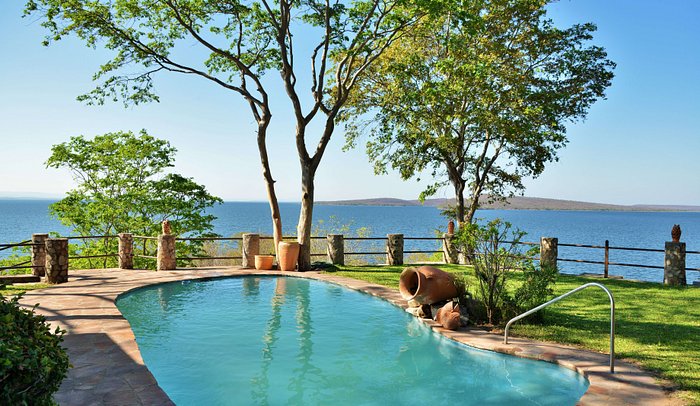
Binga sits at the edge of Zimbabwe's vast northwestern frontier, where the Zambezi Valley drops away to meet the immense expanse of Lake Kariba. This is not a place of tourist crowds or polished resorts — it is remote, raw, and spectacularly beautiful. The town exists primarily as the administrative centre for the Binga District and as a gathering point for the Tonga people, whose homeland along the Zambezi was flooded when the Kariba Dam was completed in 1959.
Getting to Binga is an adventure in itself. The 340-kilometre drive from Bulawayo winds through increasingly wild countryside, descending from the cool Matabeleland plateau into the baking heat of the Zambezi Valley. The last stretch of road offers dramatic views across the lake — a vast, shimmering inland sea stretching to the horizon.
The Tonga People
A Story of Resilience
The Tonga are among the most fascinating and least-known peoples of Southern Africa. Before the construction of Kariba Dam, the Tonga lived in fertile villages along the banks of the Zambezi, fishing, farming, and maintaining a rich cultural tradition centred on the Nyaminyami — the river god.
When the dam was built, approximately 57,000 Tonga people were forcibly relocated from their ancestral lands to barren hilltop sites above the rising waters. The trauma of this displacement remains a defining chapter in Tonga history, and the community's extraordinary resilience in rebuilding their lives in hostile terrain is one of Zimbabwe's most compelling human stories.
Cultural Experiences
Visiting Tonga villages near Binga provides a window into a living culture that few outsiders ever encounter. You'll see traditional fishing methods using dugout canoes (locally called "mukwa"), basket weaving, drum-making, and the preparation of traditional foods. The Tonga are renowned for their music — their distinctive drumming and singing traditions are unlike anything else in Zimbabwe.
Lake Kariba
The Inland Sea
Lake Kariba stretches 223 kilometres from the dam wall in the east to the Zambian border in the west, with a surface area of 5,580 square kilometres. It was created between 1958 and 1963 when the Kariba Dam — at the time, the world's largest dam — blocked the Zambezi River. The lake's creation was an engineering triumph but an ecological and human catastrophe, flooding vast tracts of wildlife habitat and displacing tens of thousands of people.
Today, the lake has matured into a remarkably productive ecosystem. Its waters support a thriving population of kapenta (freshwater sardines) — the basis of a commercial fishing industry — along with bream, tilapia, vundu, and the legendary tigerfish.
Houseboat Safaris
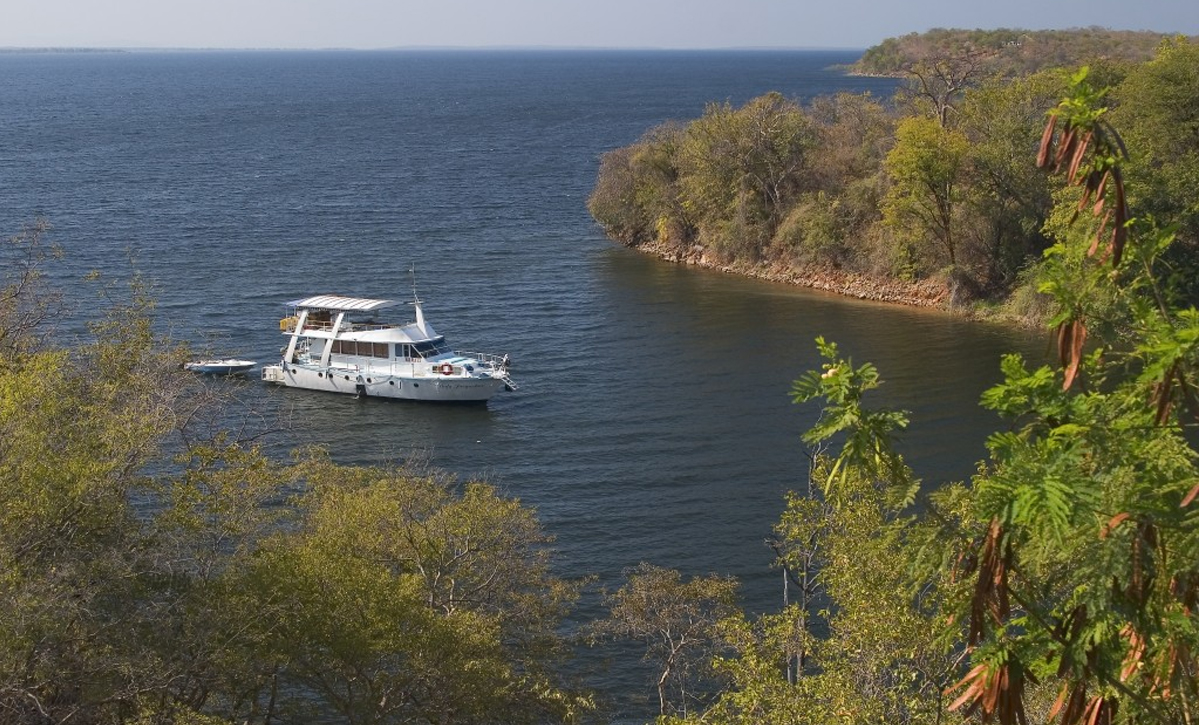
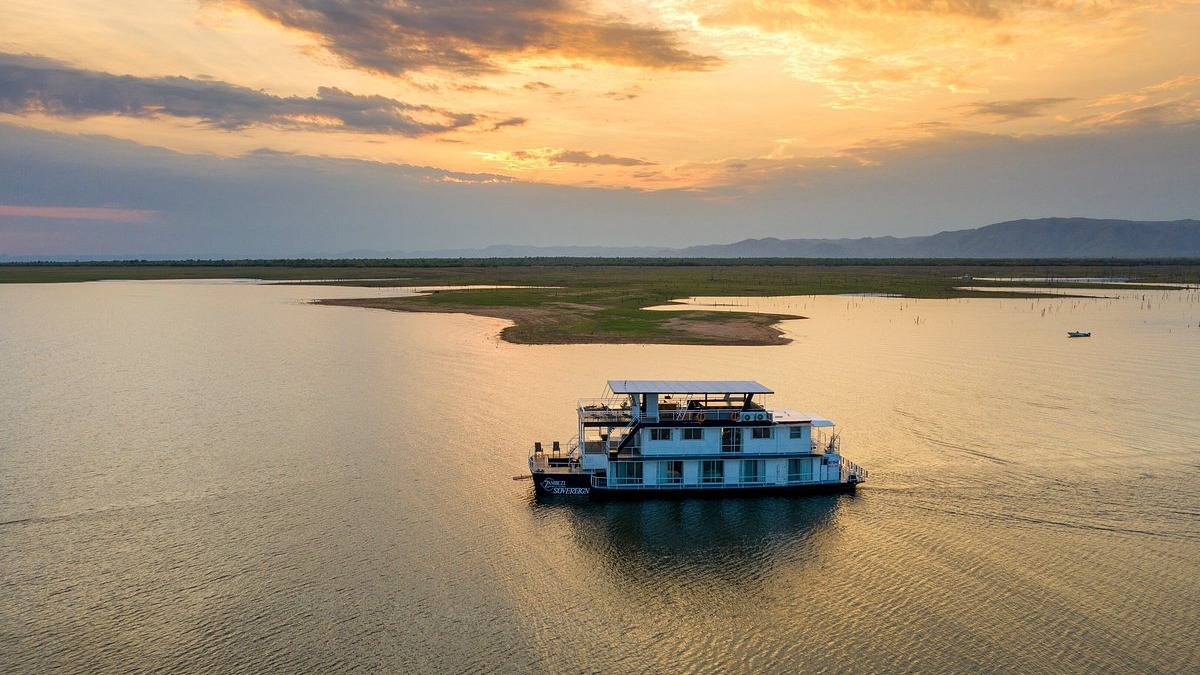
A houseboat safari on Lake Kariba is one of Zimbabwe's most unique experiences. Floating across the lake's calm waters, you'll pass stands of drowned trees (mopane and teak killed by the rising waters in the 1960s, now bleached white and sculptural), fish eagles swooping from their perches, and pods of hippos surfacing with explosive breaths.
Houseboats range from basic pontoons to fully equipped luxury vessels with cabins, kitchens, and fishing decks. Multi-day itineraries allow you to explore remote bays and islands, fish for tigerfish and bream, and watch spectacular sunsets from the top deck.
Tiger Fishing
Lake Kariba is one of the world's premier tiger fishing destinations. The tigerfish (Hydrocynus vittatus) is Africa's answer to the piranha — a powerful, aggressive predator with razor-sharp teeth and explosive fighting ability. The best tiger fishing season runs from September to December, when the fish are most active. Whether you're a seasoned angler or a first-timer, hooking a tigerfish on Lake Kariba is an unforgettable experience.
Chizarira National Park
Just south of Binga, Chizarira National Park covers 1,910 square kilometres of rugged, mountainous wilderness along the Zambezi Escarpment. This is one of Zimbabwe's most remote and least-visited parks — a true wilderness experience for adventurous travellers.
The park's dramatic gorges, plunging cliffs, and mist-shrouded forests support populations of elephant, buffalo, lion, leopard, sable antelope, and eland. Walking safaris are the best way to explore Chizarira — the terrain is too rugged for extensive vehicle-based game viewing, but the hiking is spectacular.
When to Visit
- May to October — dry season. Comfortable temperatures, clear skies, and the best game viewing. Tiger fishing peaks in September-October
- November to April — wet season. Hot and humid in the valley, with spectacular thunderstorms over the lake. Some roads may become difficult
Binga is not for everyone, and that is precisely its appeal. It is for travellers who value authenticity over amenity, who want to sit on a houseboat deck watching fish eagles circle while the sun drops into Lake Kariba, and who understand that the most rewarding destinations are often the hardest to reach.