Lupane
Heart of Matabeleland North
Best Time to Visit
May to September for dry, pleasant weather. Avoid the peak of the rainy season (January-February) when some roads become difficult.
Getting There
Located on the A8 highway, approximately 170km northwest of Bulawayo and 270km southeast of Victoria Falls. Regular bus services connect Lupane with both cities.
Region
Matabeleland North
The Heart of Matabeleland North
Lupane is not a destination that appears in glossy travel brochures, and that is part of its quiet charm. As the administrative capital of Matabeleland North Province, this small town sits at the crossroads of some of western Zimbabwe's most important road corridors — the route from Bulawayo to Victoria Falls passes through here, and the road north leads to Binga and the shores of Lake Kariba.
The landscape around Lupane is characteristic of the Kalahari sandveld — deep, sandy soils supporting dry deciduous woodland dominated by Zambezi teak, mopane, and various Acacia species. This is not the dramatic, postcard-perfect scenery of Victoria Falls or the Matobo Hills, but it has a subtle, expansive beauty — particularly in the golden light of early morning and late afternoon.
Lupane State Forest
The Lupane State Forest is a substantial tract of protected teak woodland just outside town. Originally established to protect commercially valuable Zambezi teak, the forest has become an important conservation area supporting a variety of wildlife including kudu, duiker, steenbok, and a rich assemblage of woodland birds.
Walking through the teak forest is a peaceful, meditative experience. The trees grow tall and straight, their canopy filtering the light into golden shafts that illuminate the sandy floor. During the wet season (November to March), the forest is at its most beautiful, with fresh green foliage and carpets of wildflowers.
Birding
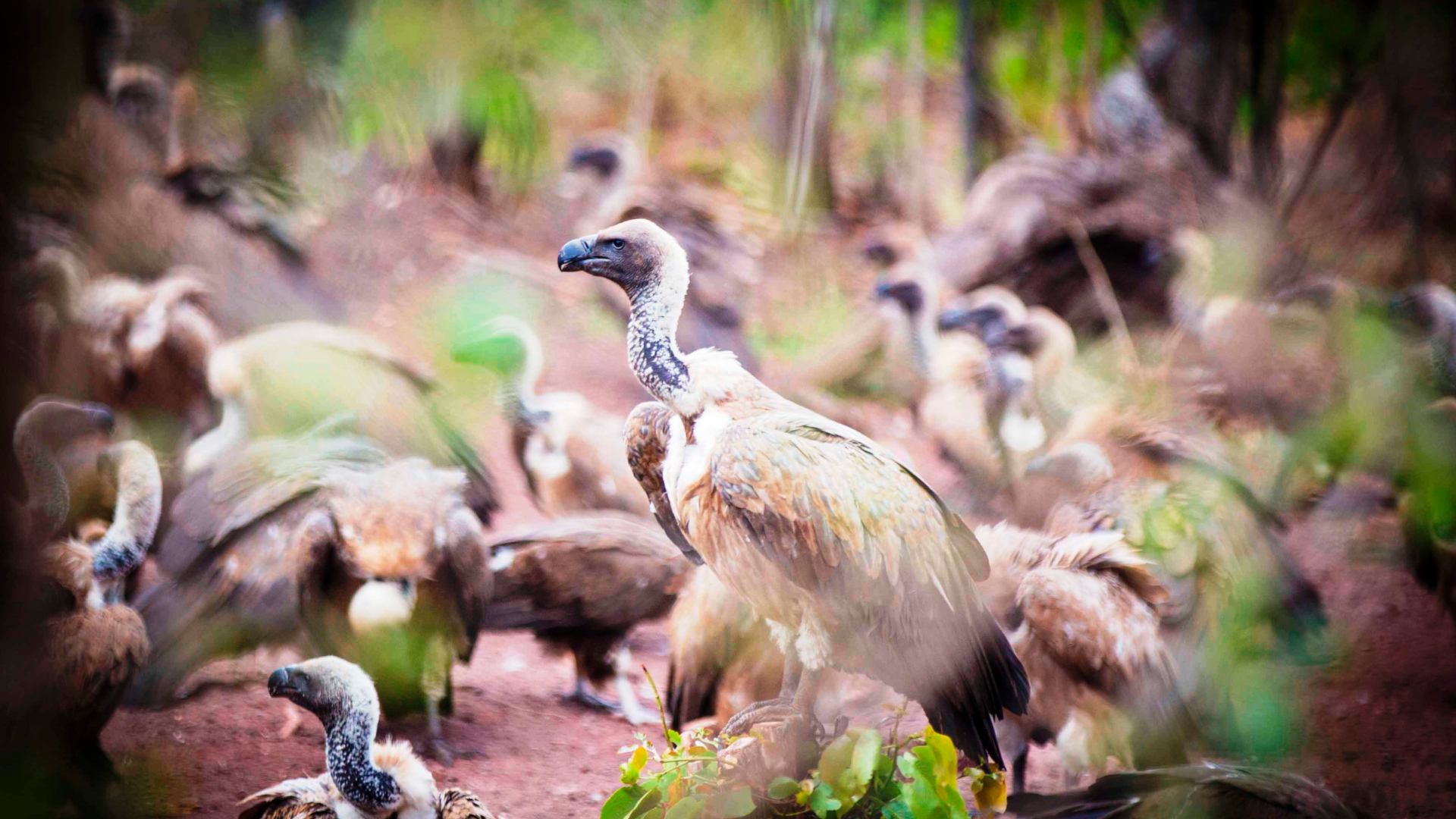
The teak woodlands around Lupane are excellent birding territory. Species to look for include Bradfield's hornbill, Arnot's chat, Racket-tailed roller, Bennett's woodpecker, and — with luck — the elusive Pel's fishing owl along the larger streams. The dry season is best for birding as the leafless canopy makes it easier to spot birds.
Community Life
Lupane offers an authentic window into rural Ndebele life. The town's market is a lively gathering point, particularly on weekends, when farmers and traders from surrounding villages converge to buy and sell produce, livestock, and household goods. Community-based tourism initiatives are beginning to offer visitors the opportunity to experience daily life in surrounding villages — learning about traditional food preparation, agriculture, and Ndebele customs.
Practical Information
Lupane sits on the main Bulawayo-Victoria Falls road (A8), approximately 170 kilometres northwest of Bulawayo. The town has basic amenities including fuel stations, a small hospital, and a handful of guesthouses. Most travellers pass through Lupane en route to Victoria Falls or Hwange, but those who stop will find a genuine, unhurried slice of Zimbabwean rural life.
Lupane is not trying to impress anyone. It is a real town, with real people, living real lives — and for travellers weary of the tourist circuit, that authenticity is the most impressive thing of all.