Things to Do in Hwange National Park
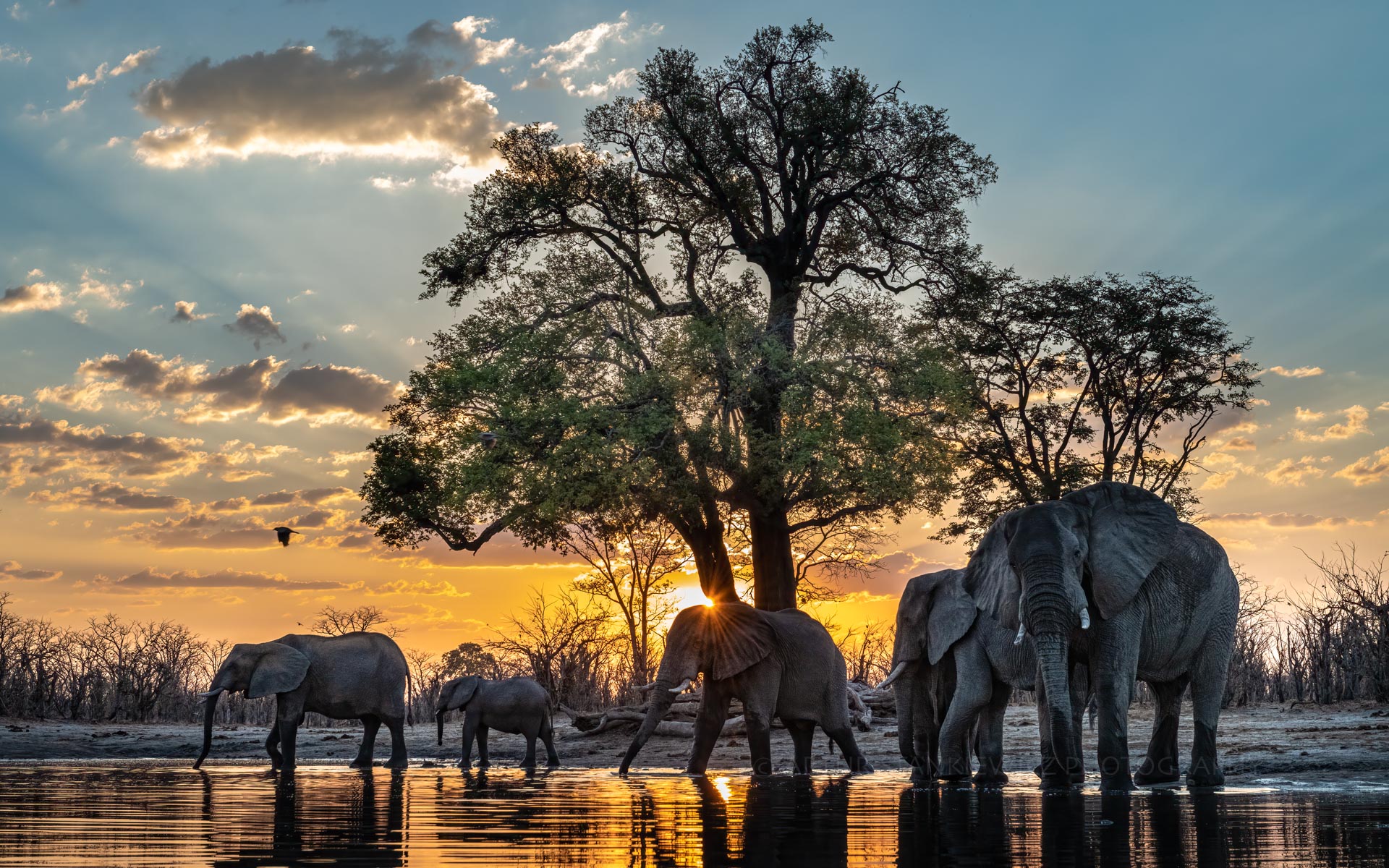
Hwange is Zimbabwe's largest national park — over 14,600 square kilometres of teak forest, open grasslands, and seasonal pans that support one of Africa's highest concentrations of wildlife. It is the country's premier safari destination and one of the finest wildlife reserves on the continent.
Game Drives
The core safari activity. Hwange's network of tracks passes through diverse habitats:
- Linkwasha Concession — Widely regarded as Hwange's best game-viewing area. Enormous elephant herds, lion prides, wild dog packs, and excellent leopard sightings
- Sinamatella area — Northern Hwange with dramatic escarpment scenery, roan and sable antelope, and fewer vehicles
- Main Camp area — The most accessible section, with productive waterholes and established tracks
- Nehimba area — Deep wilderness; elephant herds visit the waterhole daily
Walking Safaris
Hwange offers some of Zimbabwe's finest walking safari experiences:
- Professional guides lead small groups through the bush on foot
- Encounters with elephants, buffalo, and predators at ground level
- The ultimate way to experience the sights, sounds, and smells of the African bush
- Available at most private concession camps (The Hide, Davison's, Nehimba, Somalisa)
Waterhole Watching
Hwange's artificial waterhole system is one of its great attractions. Lodges with waterholes include:
- Hwange Safari Lodge — Floodlit waterhole visible from the bar and pool
- Nehimba Lodge — Elephants drink metres from the dining area
- Camelthorn Lodge — Ancient camelthorn trees frame the waterhole scene
- The Hide — Sunken photographic hide for eye-level views
The Pump Run
An experience unique to Imvelo Safari Lodges. Join the camp team on their daily run to maintain the solar-powered waterhole pumps. You'll drive through the bush at dawn, fix pumps, and watch wildlife arrive to drink at the freshly filled pans. It's conservation in action.
Birding
Hwange is a birding paradise with over 400 recorded species:
- Kori bustard, secretary bird, and ground hornbill on the open pans
- Raptors including martial eagle, bateleur, and African hawk-eagle
- Seasonal migrants (November–March) bring European bee-eaters, rollers, and storks
Night Drives
After-dark drives on private concessions reveal:
- Leopard on the prowl
- Aardvark, pangolin, honey badger
- African wild cat and civet
- Nightjars, owls, and other nocturnal birds
The Elephant Express
Imvelo's railcar journey from Dete siding into Hwange on a vintage train carriage. A unique transfer experience that combines wildlife viewing with rail adventure.
Community & Cultural Visits
- Several camps arrange visits to neighbouring communities
- Meet local families, visit schools, and learn about rural Zimbabwean life
- Your visit directly supports community development through tourism revenue
Self-Drive Game Viewing
Hwange is one of the few national parks in the region where self-drive safari is both permitted and rewarding. The main tar road through the park connects Sinamatella in the north to Main Camp in the south, passing numerous waterholes and picnic sites. Key tips for self-drivers:
- Stick to the marked roads — off-road driving is prohibited and can damage the fragile ecosystem.
- Early morning (6–9am) and late afternoon (3–6pm) offer the best game viewing.
- Carry a good map or download offline maps before entering — mobile signal is non-existent inside the park.
- Bring binoculars, plenty of water, and snacks. Fuel is available at Main Camp but not guaranteed — fill up before entering.
Cultural Experiences
The communities surrounding Hwange offer cultural immersion experiences:
- Village visits can be arranged through most lodges, providing insight into the daily life and traditions of the local Nambya and Ndebele communities.
- Conservation talks at several lodges explain the park's pioneering pump-fed waterhole system, which sustains wildlife through the dry season.
Best Times to Visit
- Dry season (May–October): The prime time for game viewing. Animals concentrate around waterholes as natural water sources dry up. Temperatures are pleasant during the day and cool at night (bring warm clothing for morning drives).
- Green season (November–April): Lush landscapes, migratory birds, and fewer visitors. Some roads may become impassable after heavy rains. Accommodation rates drop significantly.