Bulawayo is Zimbabwe's second-largest city and its cultural capital. Known as the "City of Kings" , named for Lobengula, the last Ndebele king , it moves at a gentler pace than Harare and rewards those who take time to explore its wide, tree-lined avenues, world-class museums, and surrounding UNESCO heritage sites.
1. Natural History Museum of Zimbabwe
Widely regarded as one of Africa's finest natural history museums, this colonial-era building houses an extraordinary collection of geological specimens, wildlife dioramas, and ethnographic displays. The taxidermy gallery features over 75,000 specimens, and the geology section includes one of the best mineral collections on the continent. Allow at least two hours.
2. Khami Ruins (UNESCO World Heritage Site)
Just 22 km west of the city, these 15th-century ruins of the Torwa Dynasty capital feature remarkable dry-stone walling with chevron and chequered patterns. Unlike Great Zimbabwe, Khami sees very few tourists , you may have the entire site to yourself. The hilltop platform offers sweeping views across the valley.
3. Matobo National Park
A 45-minute drive south, the Matopos (as locals call them) is one of Southern Africa's most extraordinary landscapes. Massive granite kopjes balance impossibly on each other, sheltering 3,000-year-old San rock art. The park has the world's highest density of leopards per square kilometre and is one of the best places in Zimbabwe to track endangered black and white rhinos on foot.
4. Bulawayo Railway Museum
Located at the historic railway station, this museum tells the story of Rhodesian railways with over a dozen vintage locomotives, including Cecil Rhodes' personal coach. The station itself , with its grand colonnaded platform , is a piece of living history and still serves as an active railway terminal.
5. The Art Scene
Bulawayo has long been Zimbabwe's creative heartbeat. The National Gallery of Zimbabwe (Bulawayo branch) showcases contemporary Zimbabwean art. The Amakhosi Cultural Centre hosts regular music, dance, and theatre performances celebrating Ndebele heritage. In September, the Intwasa Arts Festival transforms the city into a week-long celebration of film, poetry, music, and visual arts.
6. Walking the City Centre
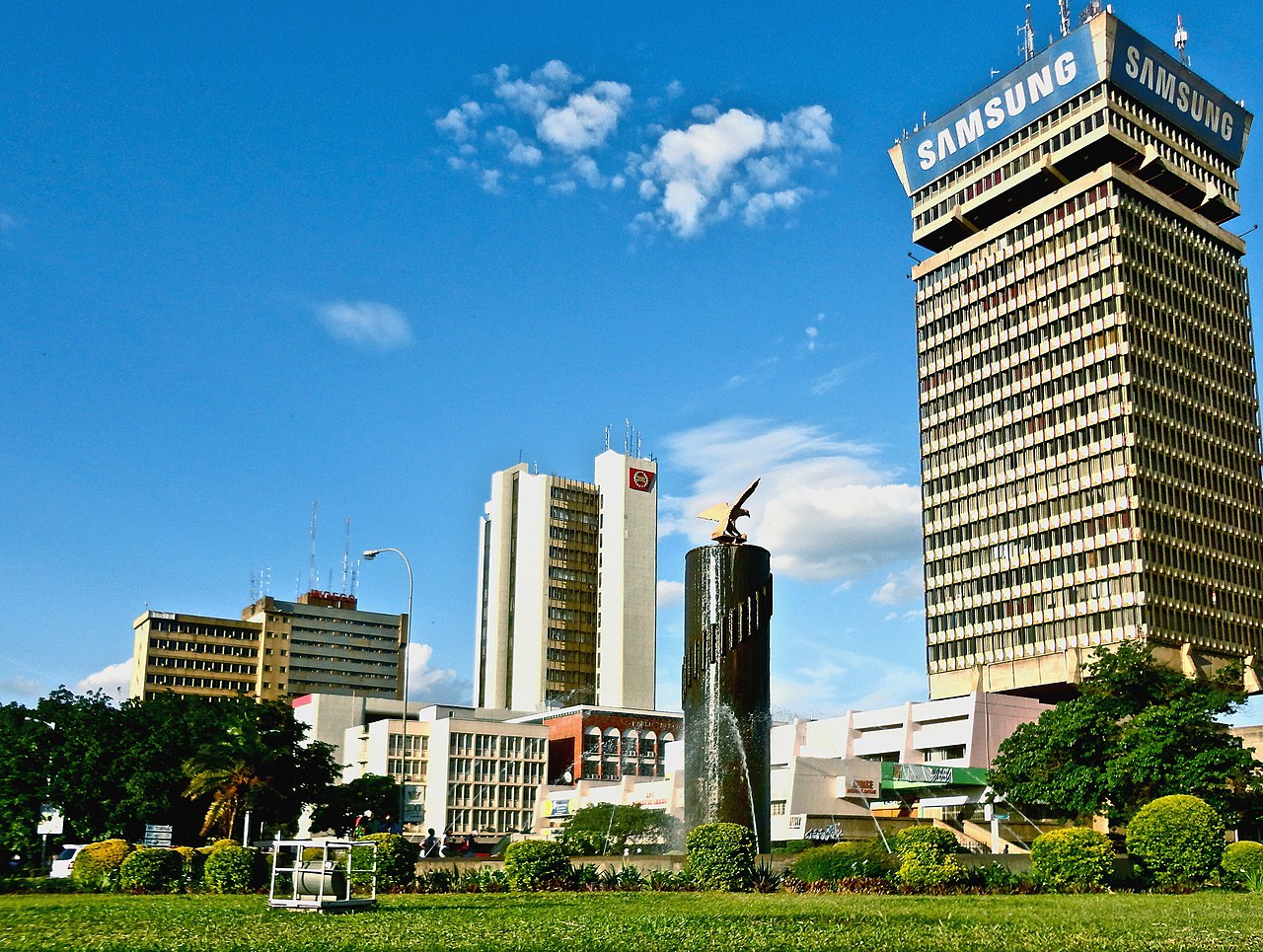
Bulawayo was planned with unusually wide streets , legend says wide enough for a full ox-wagon span to turn. This gives the city centre a spacious, walkable feel. Notable buildings include the City Hall (1940s Art Deco), the High Court, and the grand Bulawayo Club. The central market is excellent for fresh produce and local crafts.
7. Chipangali Wildlife Orphanage
This rescue centre rehabilitates injured and orphaned wildlife including lions, leopards, antelopes, and primates. It's an educational and rewarding visit, especially for families, and supports genuine conservation work.
8. Hillside Dams Conservancy
For a peaceful morning, the Hillside Dams offer walking trails, bird watching, and fishing within the city's southern suburbs. Over 200 bird species have been recorded here. Entry is free.
9. Where to Eat
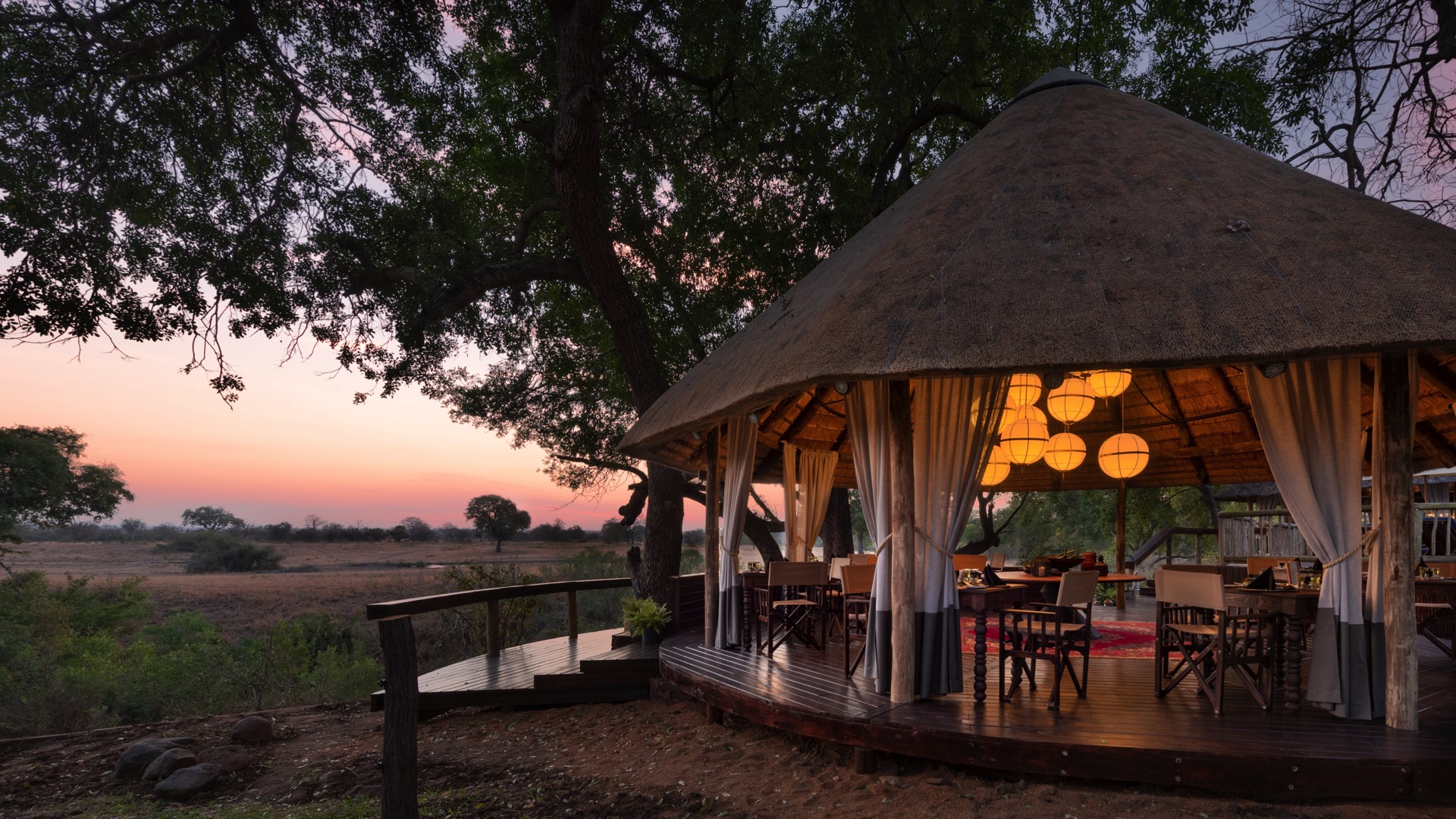
Bulawayo's dining scene punches above its weight. Nesbitt Castle offers fine dining in a mock-medieval castle. Cape to Cairo at the historic Bulawayo Club serves excellent steaks. For authentic local cuisine, try Maimbofamba Restaurant for sadza ne nyama and traditional stews. The Indaba Book Café combines great coffee with local art and live music.
10. Day Trips from Bulawayo
Beyond the Matopos and Khami, Bulawayo is a launchpad for several excursions: the Tshabalala Wildlife Sanctuary (15 minutes), Cyrene Mission (with its renowned painted chapel), and the Bubi River for fishing and birding.
Getting There
Bulawayo is connected by good roads to Victoria Falls (440 km, ~5 hours), Harare (440 km, ~5 hours), and the South African border at Beitbridge (320 km, ~4 hours). Joshua Mqabuko Nkomo International Airport has domestic flights and occasional regional connections.
How Long to Stay
Most visitors give Bulawayo just a night on the way to Victoria Falls. We'd recommend at least three full days , one for the city and museums, one for the Matopos, and one for Khami and the surrounding area. The city rewards a slower pace.