Victoria Falls town punches well above its weight for a settlement of around 35,000 people. Perched on the edge of one of the world's great natural wonders, this compact Zimbabwean town has quietly built a hospitality scene that rivals far larger African destinations , ranging from one of the continent's most storied colonial hotels to buzzing backpackers, and from fine-dining African buffet experiences to excellent local restaurants where you can eat like a local for a few dollars. Whether you're splashing out on a honeymoon suite with Zambezi views or travelling on a shoestring between adventures, Victoria Falls town has a bed and a meal for you. This guide covers everything you need to know about where to stay and where to eat, with honest assessments, current price ranges, and the insider knowledge that makes the difference between a good trip and an exceptional one. For the full picture on activities, viewpoints, and timing your visit, see our Complete Guide to Victoria Falls: Activities, Viewpoints, Best Time to Visit & Insider Tips.
Accommodation Overview: What to Expect at Every Budget
Victoria Falls town offers a surprisingly wide spectrum of accommodation for a destination of its size. The options broadly divide into four tiers: luxury lodges and heritage hotels (from around $300 per night), upscale properties with strong amenity packages ($200–$450), solid mid-range guesthouses and hotels ($100–$200), and budget backpackers from as little as $15 per night for a dormitory bed. What makes Victoria Falls unusual is that even the budget options are generally well-run and well-located , the town is compact enough that almost nowhere is inconveniently far from the main gate to the falls.
One key distinction to understand before booking is the difference between in-town properties and private concession lodges. In-town hotels sit within or adjacent to Victoria Falls town itself, giving you easy walking access to restaurants, shops, and the falls entrance. Private concession lodges , such as Old Drift Lodge , occupy exclusive wildlife areas along the Zambezi upstream of the falls, offering a true bush atmosphere with game wandering through camp, but requiring a short transfer into town for restaurants and activities.
| Property | Category | Price Range (USD/night) | Distance to Falls Gate | Best For |
|---|---|---|---|---|
| The Victoria Falls Hotel | Luxury | $450–$800 | 1.5 km | Historic grandeur, couples, honeymoons |
| Ilala Lodge Hotel | Luxury | $300–$500 | 800 m (closest in town) | Intimate luxury, foodies, falls proximity |
| Old Drift Lodge | Luxury | $500–$900 | 10-minute drive | Bush experience, honeymoons, walking safaris |
| Victoria Falls Safari Lodge | Upscale | $250–$450 | 4 km | Waterhole views, The Boma restaurant |
| Batonka Guest Lodge | Mid-range | $150–$200 | 2 km | Best value, knowledgeable owners, great pool |
| N1 Hotel Victoria Falls | Mid-range | $100–$150 | 1 km | Central, modern, no-fuss comfort |
| Shoestrings Backpackers | Budget | $15–$40 | 1.5 km | Social scene, solo travellers, budget groups |
ℹ️ Price note: All prices listed are approximate rack rates in USD for the 2025–2026 season. Victoria Falls accommodation is priced in US dollars across all tiers. Rates fluctuate significantly by season , expect peak season (July–October) prices to be 30–50% higher than low season (January–April) equivalents. Always check directly with properties for current rates and package inclusions.
Luxury Accommodation: Victoria Falls' Finest Properties
Victoria Falls has a genuine concentration of exceptional luxury properties, and the competition between them keeps standards impressively high. These are not simply expensive hotels , each of the top-tier properties offers a distinct character and a compelling reason to choose it over the others.
The Victoria Falls Hotel is the grande dame of the entire region. Open since 1904, this Edwardian masterpiece was built to accommodate passengers on the newly completed Cape-to-Cairo railway, and it has been welcoming guests with unfailing elegance ever since. The architecture is extraordinary , wide verandas, manicured gardens, and a famous terrace from which guests can watch the spray rising above the gorge while taking afternoon tea. Warthogs wander the grounds with magnificent indifference. Rooms are spacious and classically furnished; the Stanley and Livingstone Restaurant serves formal dinners with considerable style. At $450–$800 per night, it is not cheap, but for a once-in-a-lifetime occasion it is worth every dollar.
Ilala Lodge Hotel holds the coveted title of closest hotel to the falls , at just 800 metres from the main gate, guests can hear the thunder of the Zambezi from their rooms, and on still nights the spray drifts across the gardens. The lodge is smaller and more intimate than the Victoria Falls Hotel, with around 70 rooms set around a lovely pool. Its Palm Restaurant is one of the best dining addresses in town, and the lodge borders the national park directly, meaning elephant and baboon appearances on the lawn are a regular occurrence. For travellers who want luxury without formality, Ilala is often the preferred choice.
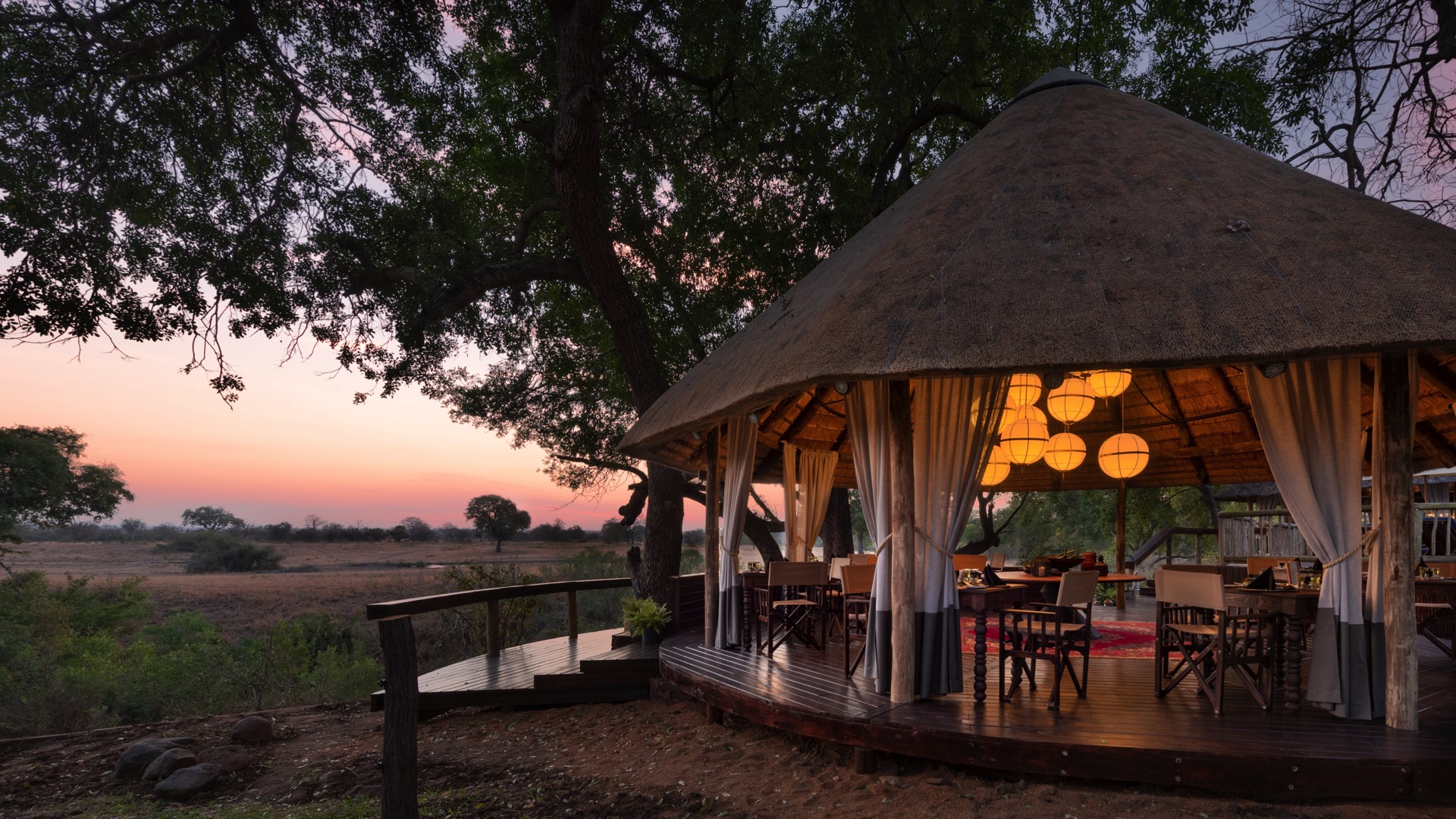
Old Drift Lodge takes a different approach entirely. Located on a private Zambezi concession upstream of the falls, it offers luxury tented suites set into the riverine forest, with walking safaris, guided canoe trips, and the genuine sensation of being in the African bush , whilst remaining just a 10-minute drive from town restaurants and activities. It is the ideal choice for travellers combining a Victoria Falls visit with a wider wildlife itinerary, perhaps continuing on to Hwange National Park , as covered in our Safari Guide to Hwange National Park.
"The terrace at the Victoria Falls Hotel at sunset, with the spray catching the last light , it's one of those travel moments you genuinely never forget. We'd saved for two years for the trip and it was worth every penny."
, Sarah T., traveller review
💡 Luxury booking tip: Several luxury properties offer all-inclusive packages that bundle accommodation, meals, selected drinks, and one or two activities. For a three-night stay, these packages often represent better value than paying à la carte , particularly at Old Drift Lodge, where the concession activities are excellent. Ask specifically about what activities are included before booking.
Mid-Range and Budget Stays: Great Value Without Compromise
The mid-range and budget tiers in Victoria Falls are genuinely strong, and travellers who choose them are not making a significant sacrifice. The town's compact size means that even a $40-per-night backpackers room puts you within easy reach of everything , and the social atmosphere at the better budget properties is a genuine draw in its own right.
Batonka Guest Lodge consistently earns its reputation as the best value property in town. At $150–$200 per night, it occupies a comfortable mid-range position, but the quality of the experience , attentive service, a beautiful pool, and owners who genuinely know the destination , punches well above that price point. The owners are an excellent source of practical advice on activities and restaurants, and the lodge has a loyal repeat clientele that books months in advance for peak season.
N1 Hotel Victoria Falls fills the gap for travellers who want modern, clean, centrally located accommodation without the premium of a heritage property. At $100–$150 per night, rooms are well-appointed and the location , around 1 km from the falls gate , is excellent. It lacks the personality of Batonka or the atmosphere of the backpackers, but for business travellers or those spending only one or two nights before moving on, it is a perfectly efficient choice.
For budget travellers, Shoestrings Backpackers is the established favourite. Dormitory beds from $15 and private rooms from around $40 make it accessible to travellers on the tightest itineraries, and the social scene , centred on a lively bar and communal areas , makes it genuinely fun. Shoestrings is also a useful booking hub for activities: staff can organise everything from white water rafting on the Zambezi to bungee jumping off the Victoria Falls Bridge. Solo travellers in particular find the backpackers model ideal for meeting fellow adventurers.
ℹ️ What's included? At mid-range and budget properties, always confirm whether breakfast is included in the rate. In Victoria Falls, practices vary considerably , some mid-range guesthouses include a cooked breakfast as standard, whilst others charge $10–$20 extra. At backpackers, breakfast is almost always extra. Budget accordingly.
When to Book: Seasons, Prices, and Availability
Understanding Victoria Falls' seasonal patterns is essential for both securing your preferred accommodation and getting the best value. The town operates on a clear seasonal calendar driven by two factors: the Zambezi's water levels (which determine how spectacular the falls are) and the dry season wildlife viewing conditions in surrounding parks like Hwange.
| Season | Months | Falls Condition | Relative Prices | Booking Lead Time |
|---|---|---|---|---|
| Peak Season | July–October | Lower water, all viewpoints accessible, mist reduced | Full rack rate | 3–6 months ahead |
| High Water Season | March–May | Maximum flow, dramatic mist and spray, some paths closed | 10–20% below peak | 4–8 weeks ahead |
| Shoulder Season | May–June, November | Transitional , good visibility, moderate flow | 20–30% below peak | 4–8 weeks ahead |
| Low Season | December–February | Rising water, lush vegetation, some rain | 30–50% below peak | 1–2 weeks ahead |
The peak season from July through October coincides with Zimbabwe's dry winter months, when wildlife concentrates around waterholes in Hwange National Park, temperatures are mild, and the falls are fully visible from all viewing platforms. This is also when the Devil's Pool on Livingstone Island is accessible , an experience that requires advance booking regardless of when you visit. Many properties sell out entirely during August and September, so booking 3–6 months ahead is not excessive for popular lodges.
High water season (March–May) offers a different but equally spectacular experience: the Zambezi at maximum flow creates a wall of mist so intense that you will be drenched within minutes of entering the national park. Some viewpoints are obscured, but the raw power of the falls is extraordinary. Accommodation is easier to secure and prices are lower , making it a genuine alternative for budget-conscious travellers who don't mind getting wet.
📅 Booking tip: Book accommodation 3–6 months ahead for peak season (July–October). Many properties sell out completely during this period. Shoulder season (May–June and November) offers better availability and typically 20–30% lower rates , often the sweet spot for value-conscious travellers who still want good conditions. If you're planning a wider western Zimbabwe road trip , perhaps combining Victoria Falls with Hwange and Matobo Hills , our Great Western Zimbabwe Road Trip guide covers itinerary planning in detail.
"We visited in late May and had the best of everything , the falls were still impressively full, we got a room at Ilala Lodge at a noticeably reduced rate, and there were far fewer crowds at the viewpoints. Shoulder season is genuinely underrated."
, Mark D., independent traveller
Fine Dining and Special Dining Experiences
Victoria Falls has a handful of dining experiences that go well beyond simply feeding guests , they are events in their own right, and for many visitors they become highlights of the entire trip. The concentration of high-quality restaurants in such a small town is remarkable, and the competition keeps standards consistently high.
The Boma , Dinner & Drum Show at Victoria Falls Safari Lodge is the most famous dining experience in town, and it earns its reputation. The concept is an
Budget Breakdown: What to Expect at Every Price Point
Victoria Falls has a reputation for being expensive, and whilst it is certainly not a budget backpacker destination in the traditional sense, there are ways to experience it without completely emptying your wallet. Understanding where your money goes , and where you can save , makes all the difference to your overall experience.
Accommodation is typically the largest expense. Budget travellers staying in dormitories at places like Shoestrings or Jollyboys can expect to pay around USD $15–$25 per night, whilst mid-range en-suite rooms at guesthouses or smaller lodges run from USD $80–$150. The upper-tier hotels and safari lodges start at USD $250 and can climb well above USD $600 per night for fully inclusive packages.
Food costs vary enormously depending on where you eat. A meal at a local restaurant in town might cost USD $5–$12, whilst dining at one of the hotel restaurants or the more tourist-facing establishments will set you back USD $20–$45 per person. Activities are where costs escalate quickly , see the table below for a realistic breakdown.
| Activity | Approximate Cost (USD) | Duration | Best For |
|---|---|---|---|
| White Water Rafting | $120–$160 | Full day | Adrenaline seekers |
| Helicopter Flights | $165–$295 | 12–25 minutes | Aerial views of the Falls |
| Bungee Jumping | $160 | Half day | Thrill seekers |
| Sunset Cruises | $45–$85 | 2 hours | Couples, relaxed travellers |
| Walking with Lions | $95–$130 | 2–3 hours | Wildlife enthusiasts |
| Elephant Experiences | $130–$180 | Half day | Families, animal lovers |
| Devil's Pool | $110–$145 | Half day | Adventurous swimmers |
| Village Tours | $25–$45 | 2–3 hours | Cultural travellers |
A realistic daily budget for a mid-range traveller, including accommodation, meals, and one activity, sits at around USD $200–$300 per day. Budget travellers who choose dorm beds, eat locally, and visit the Falls themselves (entry is around $30–$50 depending on season) can manage on USD $60–$90 per day.
The Best Local Food Experiences in Victoria Falls Town
Beyond the hotel restaurants and tourist-facing eateries, Victoria Falls has a surprisingly vibrant local food scene that most visitors never discover. Venturing slightly off the main tourist strip rewards you with authentic Zimbabwean cuisine at a fraction of the price , and often with far more character.
Mama Africa's on Livingstone Way is a perennial favourite amongst those in the know. The menu leans heavily on traditional Zimbabwean staples: sadza (a thick maize porridge, similar to ugali or pap), nyama (grilled meat), muriwo (leafy greens cooked with peanut butter), and matemba (small dried fish). A full plate costs around USD $5–$8 and portions are generous.
The local market near the town centre is worth exploring in the morning hours, where vendors sell fresh fruit, roasted maize, and snacks. It is an excellent spot to try maputi (popped maize), boiled groundnuts, and seasonal tropical fruit at very low prices.
For a more structured cultural dining experience, the Boma Dinner at the Victoria Falls Safari Lodge is widely considered one of the best evening experiences in town. Guests eat traditional foods whilst being entertained by live drumming, dancing, and storytelling. It costs around USD $65–$80 per person including the buffet , not cheap, but genuinely memorable.
- Sadza ne nyama , maize porridge with beef or goat stew
- Muriwo une dovi , leafy greens in peanut butter sauce
- Matemba , dried kapenta fish, often served with sadza
- Maputi , roasted or popped maize, sold as street food
- Maheu , a fermented maize drink, slightly sweet and filling
For travellers interested in the cultural context behind what they are eating, pairing a meal with a Village Tour offers fascinating insight into how food is grown, prepared, and shared within local communities. Many tours include a home-cooked lunch as part of the experience.
If you are planning a wider road trip through the region, our guide to The Great Western Zimbabwe Road Trip: Victoria Falls to Bulawayo via Hwange and Matobo includes recommendations for roadside food stops and local eateries along the route.
Practical Tips for Booking Accommodation and Dining
Timing your visit and booking strategically can save you a significant amount of money , and ensure you get the experience you are hoping for rather than settling for whatever is left.
High season (July–October) sees the highest prices and the most demand, particularly for lodge accommodation. Booking at least three to six months in advance is strongly advisable during this period. The Falls themselves are at their most dramatic from February to May, when water levels peak , though mist can obscure views. For a balance of good visibility and manageable crowds, June and September are often considered the sweet spot.
| Month | Falls Condition | Accommodation Demand | Typical Price Premium | Notes |
|---|---|---|---|---|
| Jan–Mar | Building to peak flow | Low–Medium | Minimal | Green season, some rain |
| Apr–May | Peak flow, heavy mist | Medium | Moderate | Dramatic but visibility limited |
| Jun–Aug | Excellent, clearing | Very High | High (20–40%) | Best overall conditions |
| Sep–Oct | Good, water reducing | High | Moderate–High | Hot, wildlife excellent |
| Nov–Dec | Low water, clear views | Medium | Minimal | Good value, very hot |
For restaurant reservations, the more popular spots , particularly the Lookout Café and the Boma Dinner , fill up quickly during peak season. Book these at least two to three days in advance, and ideally at the time of booking your accommodation. Many lodges will handle these reservations on your behalf as part of their concierge service.
For broader logistical planning , including visa requirements, currency, and getting to Victoria Falls , our detailed guide on Planning Your Trip to Western Zimbabwe: Visas, Flights, Budget, and Practical Tips covers everything you need to know before you arrive. You can also find vetted local operators and services through our Business Directory.
If you are extending your trip beyond Victoria Falls, consider combining your stay with a safari in Hwange National Park , just two hours' drive east. Our Safari Guide to Hwange National Park outlines the best camps and lodges within the reserve, many of which offer very different accommodation styles to what you will find in town.
Final Thoughts
Victoria Falls is one of those rare destinations that manages to be simultaneously spectacular and surprisingly accessible. Whether you are arriving with a generous travel budget and a wish list of luxury lodges, or travelling lean and looking to stretch every dollar, the town has options that can meet you where you are , provided you do your research and plan ahead.
The accommodation landscape ranges from sociable backpacker hostels to world-class riverside lodges, and the food scene , when you venture beyond the hotel restaurants , offers genuine flavour and cultural richness at very reasonable prices. The key is knowing where to look, when to book, and how to balance the inevitable splurges (a helicopter flight, a sunset cruise on the Zambezi) with the more affordable pleasures of a plate of sadza, a cold Zambezi lager, and a spectacular African sunset.
Do not treat Victoria Falls as a one-night stopover. Give it at least three to four days, explore both the Zimbabwean and Zambian sides if your visa situation allows, eat somewhere local at least once, and take the time to speak to the people who live and work here. The waterfall is extraordinary, but it is the broader experience , the people, the food, the wildlife, the energy of the place , that tends to stay with travellers long after they have returned home.
For a complete overview of everything the region offers, read our Complete Guide to Victoria Falls: Activities, Viewpoints, Best Time to Visit & Insider Tips, or explore the full range of White Water Rafting, Bridge Swing, and other activities available through our site. If you need personalised advice, our team is always happy to help , just visit our Contact Us page or use the Travel Advice section for up-to-date practical guidance.
Frequently Asked Questions
What is the best area to stay in Victoria Falls town?
For most visitors, staying within walking distance of the Falls entrance and the main strip offers the best convenience. The area around Parkway Drive and Livingstone Way puts you close to restaurants, tour operators, and the park gate. If you prefer a quieter, more immersive experience, lodges on the outskirts , particularly those overlooking the Zambezi , offer more tranquillity, though you will need transport to reach the town centre.
Is it safe to eat street food in Victoria Falls?
Generally yes, provided you exercise the same caution you would anywhere in sub-Saharan Africa. Stick to freshly cooked items served hot, avoid anything that has been sitting out for extended periods, and drink bottled or purified water. Roasted maize, boiled groundnuts, and fresh fruit from the market are typically very safe options and offer an authentic taste of local food culture.
Do Victoria Falls hotels accept credit cards?
Most mid-range and upmarket hotels accept major credit cards, including Visa and Mastercard. However, many local restaurants, market vendors, and smaller guesthouses operate on a cash-only basis. It is advisable to carry a supply of small-denomination USD notes for everyday purchases. ATMs are available in town but can be unreliable, so withdraw cash before arriving if possible.
When is the cheapest time to visit Victoria Falls?
The green season , roughly November through March , offers the lowest accommodation rates, often 20–35% below peak prices. Whilst this period brings some rainfall and higher humidity, the landscape is lush and beautiful, and many operators offer excellent value packages. January and February are particularly quiet, making them ideal for budget-conscious travellers who do not mind occasional afternoon showers.
Are there good vegetarian or vegan dining options in Victoria Falls?
Options are improving, though Victoria Falls remains a meat-heavy destination. Most hotel restaurants can accommodate vegetarian requests with advance notice, and traditional Zimbabwean cuisine includes naturally plant-based dishes such as muriwo une dovi (greens in peanut sauce) and sadza with vegetable relish. The