Staying Healthy in Western Zimbabwe
Western Zimbabwe is a generally safe destination for health-conscious travellers, but some precautions are essential. Consult a travel health specialist at least 6-8 weeks before departure to allow time for vaccinations and malaria prophylaxis.
Vaccinations
Required
- Yellow Fever — a valid Yellow Fever vaccination certificate is required if you are arriving from (or have transited through) a Yellow Fever endemic country. This includes most of West and Central Africa, and some South American countries. If arriving directly from a non-endemic country (e.g., UK, USA, South Africa), no certificate is required
Recommended
- Hepatitis A — strongly recommended. Transmitted through contaminated food and water
- Hepatitis B — recommended for longer stays or if you may need medical treatment
- Typhoid — recommended, particularly if you'll be eating outside major tourist establishments
- Tetanus/Diphtheria — ensure your routine boosters are current
- Rabies — recommended if you'll be in remote areas far from medical facilities, or if you plan extensive wildlife activities
- Cholera — oral vaccine recommended for adventurous travellers visiting rural areas
Routine Vaccinations
Ensure your routine vaccinations are up to date: MMR (measles, mumps, rubella), polio, and influenza.
Malaria
Risk Assessment
Western Zimbabwe is a malaria risk area, particularly the Zambezi Valley (including Victoria Falls, Hwange, Kariba, and Binga). The risk is highest during the wet season (November to April) and lowest during the cooler, drier months (June to August).
Bulawayo and the higher-altitude areas of Matabeleland South (including Gwanda and the Matobo Hills) have a lower malaria risk, but prophylaxis is still recommended.
Prevention Strategy
Malaria prevention follows a three-pronged approach:
1. Prophylactic Medication
Consult your doctor about the following antimalarial options:
- Malarone (atovaquone/proguanil) — taken daily from 1-2 days before entering the malaria area until 7 days after leaving. Few side effects, most popular option
- Doxycycline — taken daily from 1-2 days before until 28 days after. Inexpensive but can cause sun sensitivity
- Mefloquine (Lariam) — taken weekly from 2-3 weeks before until 4 weeks after. Can cause vivid dreams and mood changes in some people
2. Bite Prevention
- Use DEET-based insect repellent (30-50% concentration) on exposed skin
- Wear long sleeves and trousers after sunset
- Sleep under an insecticide-treated mosquito net (most lodges provide these)
- Use mosquito coils or plug-in repellents in your room
3. Awareness
- Mosquitoes that carry malaria bite primarily between dusk and dawn
- Symptoms include fever, headache, chills, sweating, and body aches
- Seek medical attention immediately if you develop a fever during or within 3 months of leaving a malaria area
Water and Food Safety
- Drink bottled water — tap water in Zimbabwe is not reliably safe for visitors
- Avoid ice in drinks unless you're certain it was made from purified water
- Eat hot, freshly cooked food — avoid raw salads and unpeeled fruit from street vendors unless you've washed them yourself
- Most tourist hotels and lodges serve safe food and filtered water
Sun Protection
The Zimbabwean sun is intense, particularly at the lower altitudes of the Zambezi Valley:
- SPF 50+ sunscreen — reapply every 2 hours, especially around water
- Wide-brimmed hat and UV-protective sunglasses
- Stay hydrated — drink at least 2-3 litres of water daily, more during physical activities
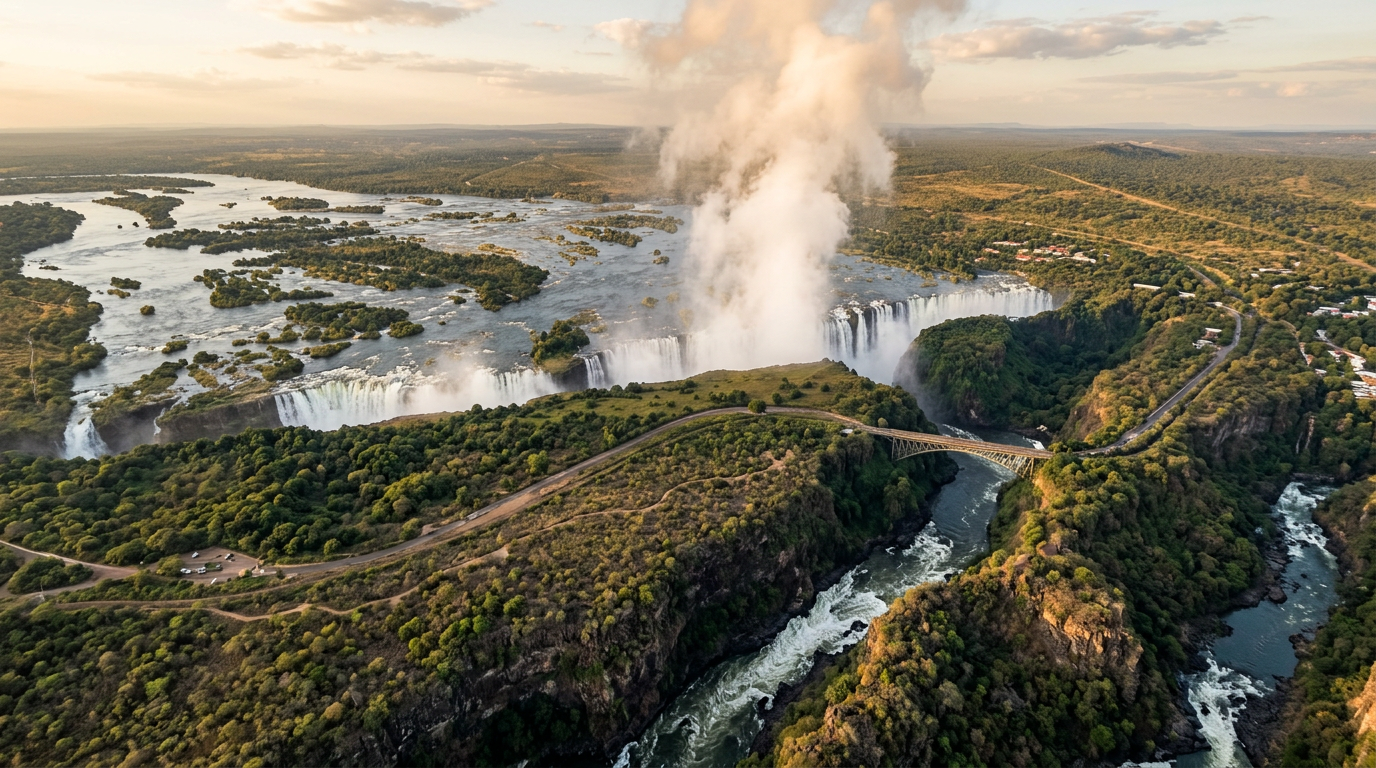
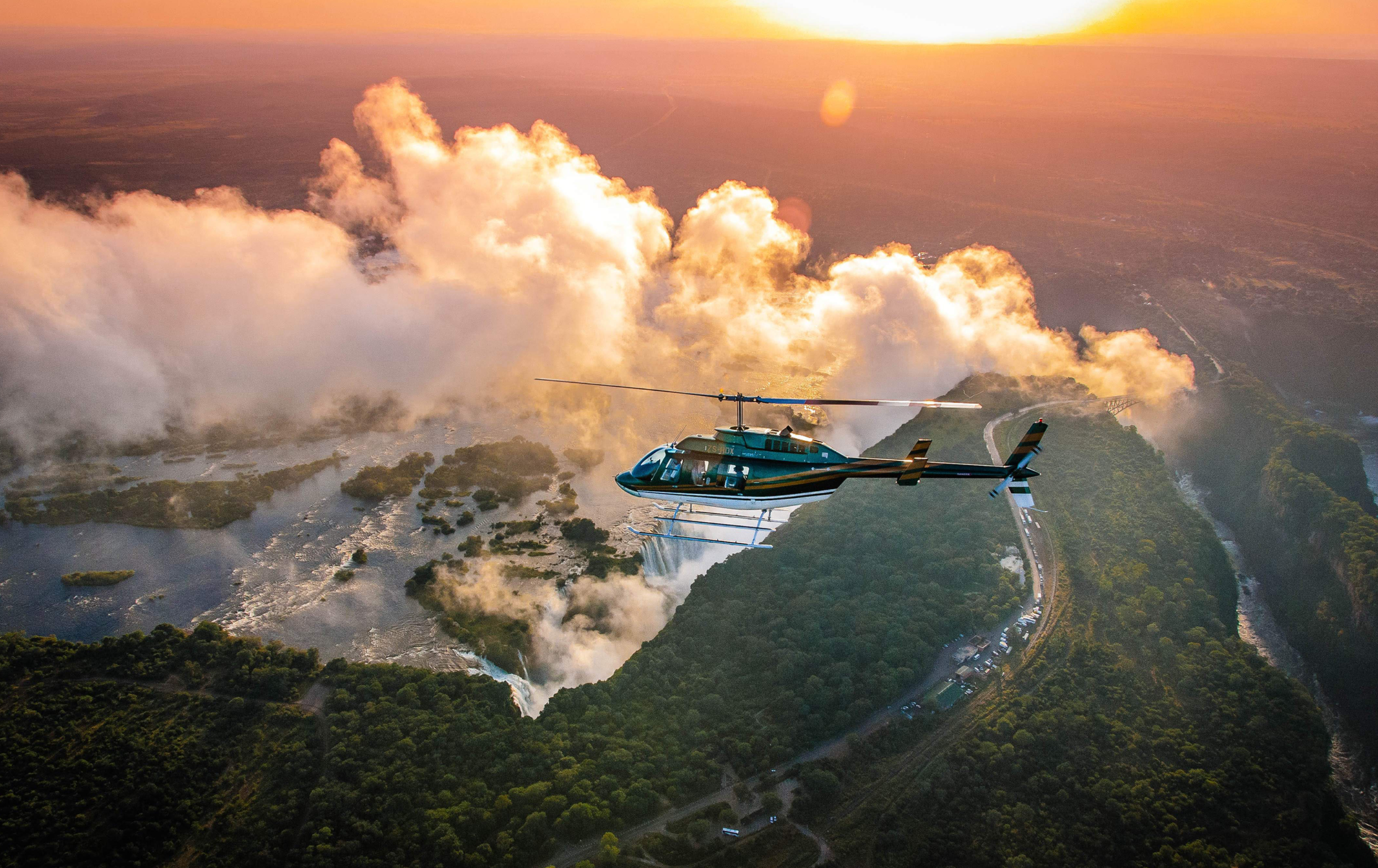
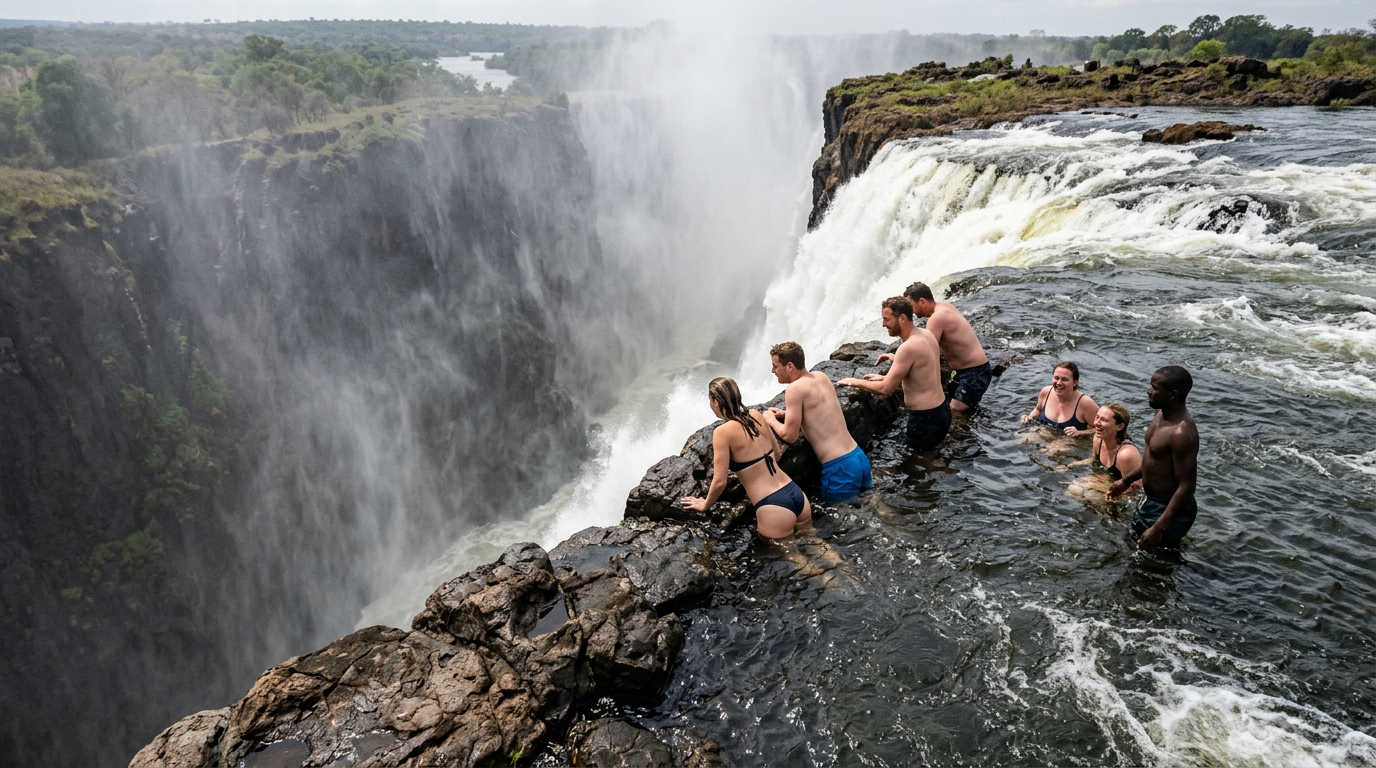
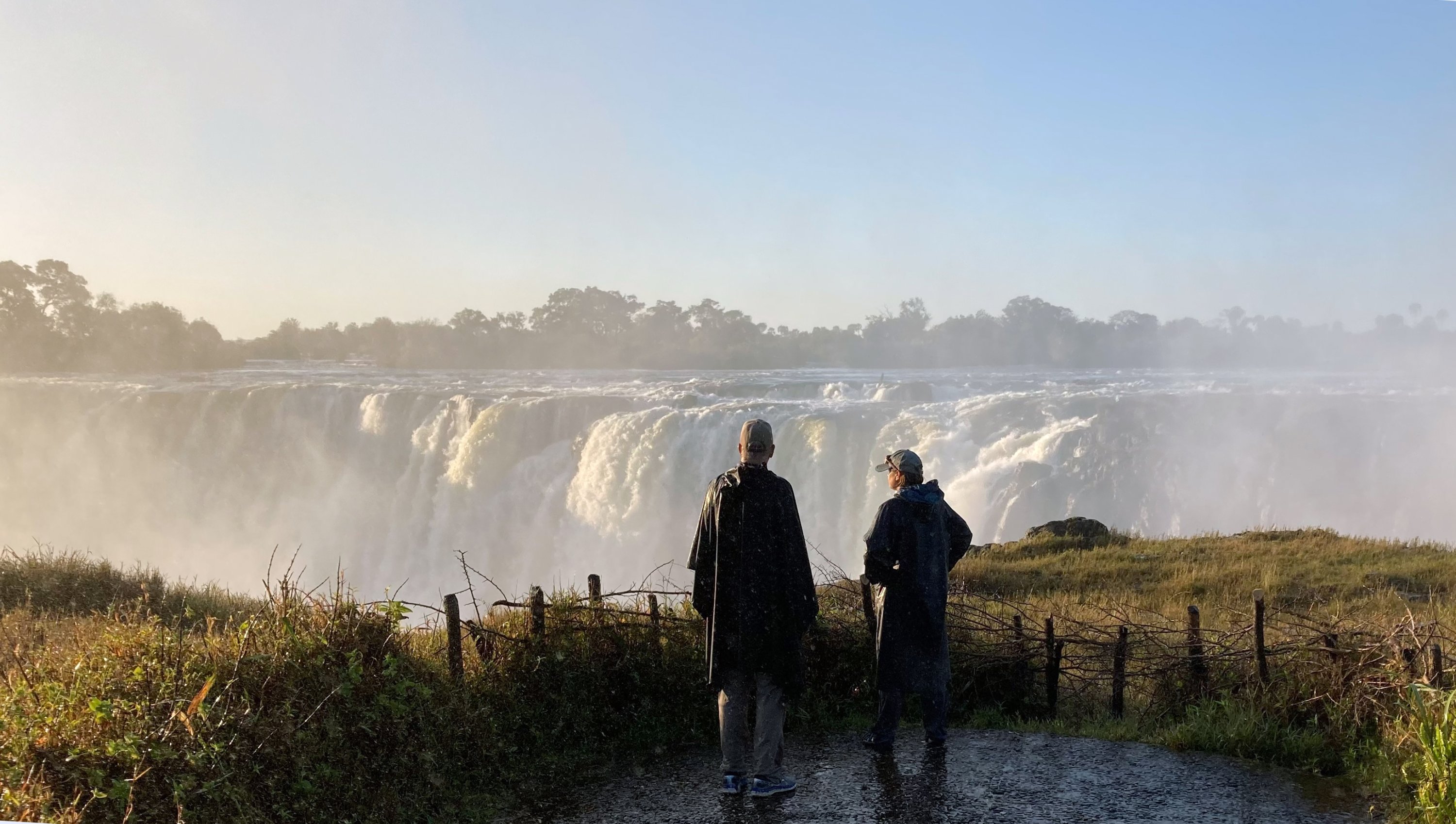
- The spray at Victoria Falls can give a false sense of coolness — you can still get severely sunburned in the mist
Medical Facilities
- Victoria Falls — the town has a well-equipped private clinic and a hospital. For serious emergencies, medical evacuation to Harare or South Africa is available
- Bulawayo — several private hospitals and clinics offering good-quality care
- Rural areas — medical facilities are basic. Carry a comprehensive first-aid kit
Travel Insurance
Comprehensive travel insurance that includes medical evacuation is essential. Medical evacuation from remote areas to Johannesburg or Harare can cost upward of $10,000. Ensure your policy covers:
- Emergency medical treatment
- Medical evacuation (including air ambulance)
- Repatriation
- Adventure activities (if you plan to do rafting, bungee, etc. — check these are covered)
The health advice for western Zimbabwe can sound alarming, but the reality is straightforward: take your malaria tablets, use repellent, drink bottled water, and wear sunscreen. Thousands of travellers visit Victoria Falls and western Zimbabwe every year without any health issues.