Understanding Zimbabwe's Currency Situation
Zimbabwe has one of the most complex currency environments in Africa, and understanding it before you arrive will save you considerable confusion.
The Multi-Currency System
Zimbabwe operates a multi-currency system. The US dollar (USD) is the dominant currency for tourism and most transactions in major towns. Other accepted currencies include the South African Rand (ZAR), Botswana Pula (BWP), and the British Pound (GBP), though change will almost always be given in USD.
The Zimbabwe Gold (ZiG) is the local currency introduced in 2024, replacing the Zimbabwe dollar. While ZiG is used for some local transactions, tourists should use US dollars for virtually everything — accommodation, activities, meals, and shopping.
Cash vs Cards
US Dollar Cash
- Essential — carry sufficient USD cash for your trip, particularly smaller denominations ($1, $5, $10, $20)
- ATMs — available in Victoria Falls, Bulawayo, and Harare, but they dispense local currency, not USD. Do not rely on ATMs for USD cash
- Condition matters — old, torn, or heavily worn notes may be refused. Bring clean, undamaged bills, preferably post-2009 series
- Change is scarce — smaller denominations ($1, $5, $10) are perpetually in short supply. Vendors may not have change for a $100 note
- Bond notes — Zimbabwe has "bond notes" that circulate alongside USD at face value but have no value outside the country. Avoid accumulating these if possible
Credit and Debit Cards
- Visa and Mastercard are accepted at most hotels, lodges, and tour operators in tourist areas
- Not accepted at most small shops, markets, fuel stations, and rural areas
- Transaction fees — expect 3-5% surcharges on card payments at many establishments
- Notify your bank — inform your bank of travel dates and countries to prevent card blocks
Mobile Money
EcoCash is Zimbabwe's dominant mobile money platform, widely used by locals for everyday transactions. Tourists generally cannot use EcoCash unless they have a Zimbabwean mobile number and SIM card.
How Much to Budget
Budget estimates for western Zimbabwe (per person, per day, in USD):
Budget Traveller ($60-100/day)
- Backpacker accommodation: $15-30
- Street food and basic restaurants: $10-20
- One activity: $30-50
- Local transport: $5-10
Mid-Range Traveller ($150-300/day)
- 3-star hotel or guesthouse: $60-120
- Restaurant meals: $20-40
- Two activities: $60-150
- Guided tours and transport: $30-50
Luxury Traveller ($400-1,000+/day)
- 5-star hotel or safari lodge: $200-600+
- Fine dining: $40-80
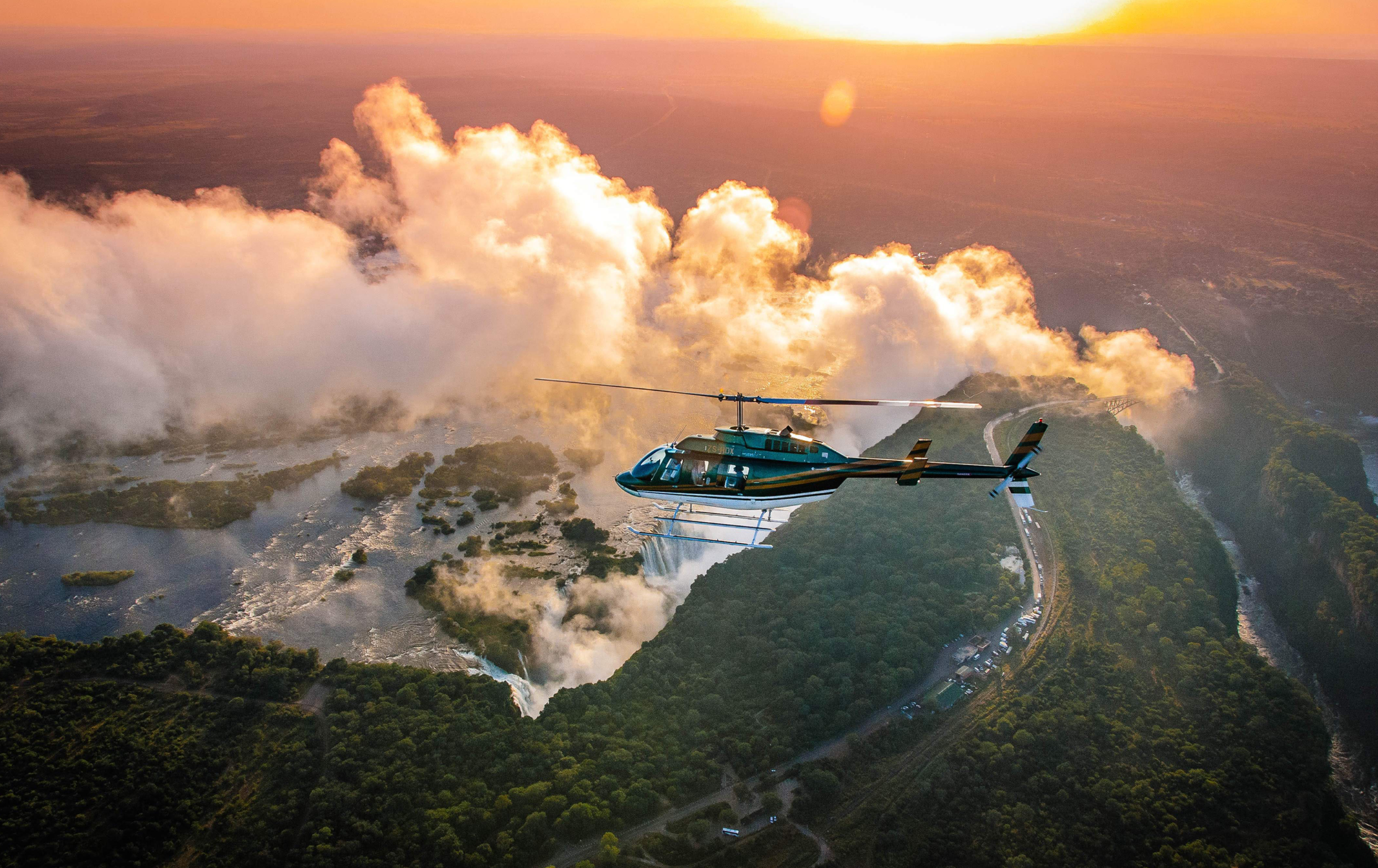
- Premium activities (helicopter, private guides): $100-300
- Private transfers: $50-100
Tipping Guide
Tipping is appreciated and expected in Zimbabwe:
- Safari guides — $10-20 per person per day
- Trackers/spotters — $5-10 per person per day
- Waiters — 10-15% of the bill
- Porters — $1-2 per bag
- Activity guides (rafting, bungee, etc.) — $5-10 per person
- Taxi/transfer drivers — $2-5
Changing Money
- Official bureaux de change are available in Victoria Falls, Bulawayo, and Harare
- Hotel reception desks often offer currency exchange, though rates may be less favourable
- Never change money on the street — black market currency exchange is illegal and risky
- South African Rand can be exchanged at most bureaux de change at competitive rates
The golden rule for money in Zimbabwe: bring more USD cash than you think you'll need, in smaller denominations. Card payments are increasingly accepted in tourist areas, but cash remains king for the majority of transactions.
ATMs and Cash Withdrawals
ATMs are available in Victoria Falls, Bulawayo, and Hwange town but can run out of cash, especially on weekends. Withdraw what you need for the next few days when you find a working ATM. Maximum withdrawal limits are typically USD 300–500 per transaction. International cards (Visa and Mastercard) work at most ATMs, though fees can be significant — check with your bank before travelling.
Tipping Guidelines
Tipping is appreciated but not as formalised as in some other countries:
- Restaurants: 10% is generous; some upmarket restaurants add a service charge.
- Safari guides: USD 10–20 per person per day is appropriate for game drive guides.
- Hotel staff: USD 1–2 per bag for porters; USD 2–5 per day for housekeeping.
- Activity guides: USD 5–10 for activity guides (rafting, bungee, etc.).
- Transfer drivers: USD 2–5 depending on distance.
Budgeting for Your Trip
Western Zimbabwe is generally affordable for international visitors:
- Budget traveller: USD 50–80 per day (backpackers, street food, shared transport).
- Mid-range: USD 120–200 per day (comfortable lodges, restaurant meals, selected activities).
- Luxury: USD 350+ per day (premium safari lodges, private guides, full activity schedule).
Activities are the biggest variable — a single day at Victoria Falls can easily cost USD 100–300 depending on how many adventure activities you choose. Safari lodges often include meals and game drives in their rates, making them better value than they initially appear.
Bargaining
Bargaining is expected and encouraged at craft markets and with informal vendors. Start at roughly 40–50% of the asking price and negotiate from there. In shops and restaurants, prices are fixed. Never bargain aggressively — it should be a friendly exchange, and remember that a few extra dollars means far more to the seller than to you.