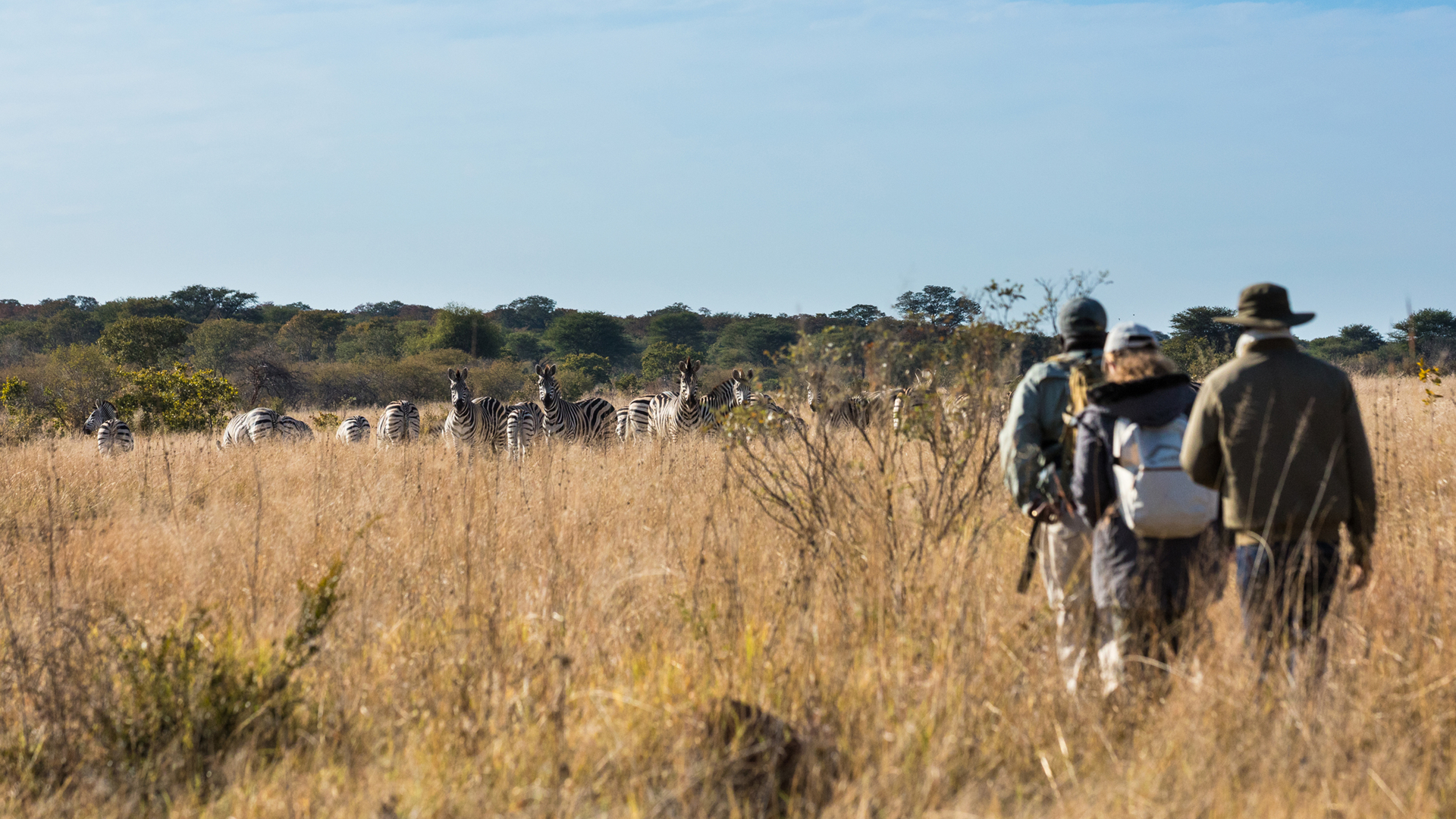
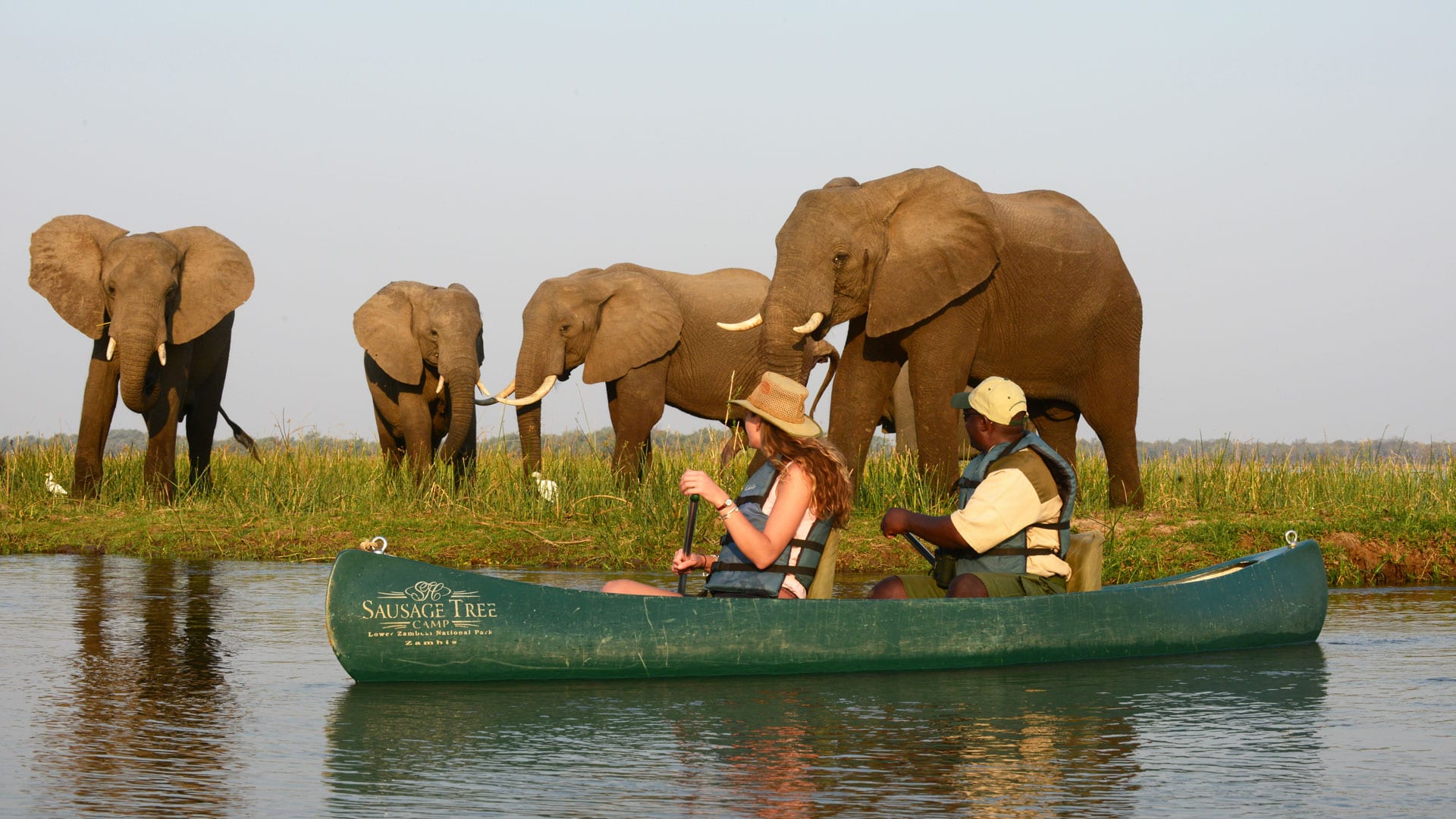
Standing barefoot on ancient granite, watching a white rhino graze just 30 metres away with nothing between you and one of Africa's most magnificent creatures , no vehicle, no fence, no glass , is one of the most viscerally alive experiences the continent offers. Matobo Hills, a UNESCO World Heritage Site tucked into the granite-strewn landscape south of Bulawayo, is one of the very few places on Earth where you can track both black and white rhino on foot, guided by expert trackers who have spent decades reading the bush. Zimbabwe's rhino population has clawed back from the brink of extinction through extraordinary conservation effort, and a Matobo rhino tracking walk is your chance to witness that triumph up close , and contribute directly to its continuation. Whether you are a seasoned safari-goer or stepping into the African bush for the first time, this guide covers everything you need to know: the conservation story, what to expect on the walk, the best operators, safety protocols, photography advice, and how to combine your rhino experience with the rock art and landscapes that make Matobo one of Zimbabwe's most rewarding destinations.
The Matobo Rhino Conservation Story
The rhino population in Zimbabwe's Matobo Hills did not recover by accident. In the late 1980s and early 1990s, poaching had devastated rhino numbers across southern Africa, and Zimbabwe was no exception. By 1992, the country's black rhino population had collapsed to fewer than 300 individuals , down from over 3,000 just two decades earlier. The response from conservation organisations, the Zimbabwe Parks and Wildlife Management Authority (ZPWMA), and private landowners was both urgent and innovative.
The Intensive Protection Zone (IPZ) established in the Matobo Hills became one of Africa's most successful rhino sanctuaries. Funded substantially by the Lowveld Rhino Trust (LRT) and later the Bhejane Trust, the programme deployed armed anti-poaching units, fitted rhinos with tracking equipment, and established a community benefit model that gave local people a direct stake in the animals' survival. Today, Matobo is home to one of the highest densities of white rhino in Zimbabwe, alongside a growing population of critically endangered black rhino.
According to the Save the Rhino International 2023 report, Zimbabwe holds approximately 700 white rhino and 700 black rhino, making it the fourth-largest rhino range state in Africa. A significant proportion of those animals live within or adjacent to the Matobo Hills ecosystem. The success here is a direct result of sustained funding , much of it driven by tourism revenue from the very walking experiences described in this guide.
"Every person who walks with a rhino in Matobo is paying for the ranger who protects that animal at 3am. Tourism is not separate from conservation here , it is conservation." , Bhejane Trust Field Officer, Matobo Hills
Understanding this backstory transforms a rhino walk from a thrilling wildlife encounter into something more meaningful: an act of participation in one of Africa's great conservation comebacks. For a broader picture of how tourism dollars protect wildlife across the region, read our guide on How Your Visit Helps: Conservation and Community in Western Zimbabwe.
Did you know? The Matobo Hills rhino programme is one of the few in Africa where tourists walk , not drive , to find rhino in their natural habitat, with no fencing separating the animals from the surrounding communal land. This open-system model is considered a benchmark for community-integrated conservation.
Black Rhino vs White Rhino: What's the Difference?
One of the most common questions from first-time visitors is a simple one: what is the difference between a black and white rhino? Confusingly, neither species is particularly black or white , the names are thought to derive from the Afrikaans word weit (wide), describing the white rhino's broad, square lip, which was misheard by English speakers as "white." The black rhino, by contrast, has a distinctive hooked, pointed lip designed for browsing shrubs and trees rather than grazing grass.
| Characteristic | Black Rhino (Diceros bicornis) | White Rhino (Ceratotherium simum) |
|---|---|---|
| Lip shape | Hooked, pointed (browser) | Wide, square (grazer) |
| Size | 800–1,400 kg | 1,800–2,700 kg |
| Temperament | More solitary, more aggressive | More social, generally calmer |
| IUCN Status | Critically Endangered | Near Threatened (southern subspecies) |
| Preferred habitat | Dense bush, rocky hillsides | Open grassland, savannah |
| Typical group size | Solitary or pairs | Pairs, small groups ("crashes") |
| Matobo population (est.) | ~30–40 individuals | ~80–100 individuals |
In Matobo, you are most likely to encounter white rhino on a standard tracking walk, as they are more numerous and tend to inhabit the open vleis (grasslands) that make approach on foot more straightforward. Black rhino sightings are rarer and considerably more dramatic , these animals favour the rocky koppies and dense thickets that characterise much of the Matobo landscape, and trackers need to work harder to locate them. Some specialist operators offer dedicated black rhino tracking experiences at a premium price, with smaller groups and longer walks.
Both species use the same network of ancient game trails worn into the granite, and experienced trackers can identify which species has passed , and how recently , from footprint size, dung consistency, and browsed vegetation. Watching a tracker crouch to examine a print the size of a dinner plate, then stand and point confidently into the bush, is itself a masterclass in fieldcraft.
Tip: If seeing a black rhino is a priority, book your walk at least three months in advance and specifically request a black rhino focus. These walks are limited to groups of four and involve more demanding terrain. Discuss this directly with your operator when booking.
What to Expect on a Matobo Rhino Tracking Walk
A Matobo rhino tracking walk is not a zoo experience or a game drive on foot. It is a dynamic, unpredictable, and deeply immersive encounter with wild animals in their natural environment. Here is a step-by-step breakdown of what a typical morning walk involves.
- Pre-dawn briefing (05:30–06:00): Guests meet at the designated assembly point , usually the Matobo Hills Lodge, Camp Amalinda, or the Matobo National Park gate. The lead ranger conducts a safety and behaviour briefing lasting approximately 20 minutes. Mobile phones must be silenced. You will be shown how to move quietly, where to position yourself if a rhino charges, and how to follow hand signals from the guide.
- Drive to the tracking area (06:00–06:30): A short vehicle transfer takes the group to the sector where rhino were last recorded , often via GPS data from tracking collars or overnight ranger reports.
- On foot (06:30–09:30): The walk itself typically covers 3–8 kilometres over two to three hours, depending on terrain and how quickly rhino are located. The pace is slow and deliberate. Wind direction is constantly monitored , rhino have poor eyesight but an exceptional sense of smell.
- The approach: Once a rhino is located, the tracker leads the group to within 20–50 metres, reading the animal's body language at every step. You may spend 15–30 minutes simply watching the rhino graze, drink, or wallow.
- Return and debrief (09:30–10:00): The group returns to vehicles for a bush breakfast or tea, and the ranger answers questions about rhino behaviour, ecology, and conservation.
Walks are conducted in small groups , typically a maximum of six guests per ranger , to minimise disturbance and maximise safety. Children are generally welcome from age eight upwards, though some operators set the minimum at twelve for black rhino walks. If you are planning a family trip, our Family Safari in Zimbabwe: A Parent's Guide to Travelling with Kids has detailed advice on age-appropriate wildlife activities across the country.
"We walked for forty minutes through the most extraordinary granite landscape , these enormous boulders balanced on each other like something from a dream , and then suddenly there she was. A white rhino cow with a calf, just standing there. I cried. I'm not ashamed to say it." , Sarah M., traveller from Bristol, UK
Important: Rhino tracking walks involve walking on uneven, rocky terrain in potentially hot conditions. Guests with significant mobility limitations should discuss this with operators in advance. Comfortable, closed-toe shoes with ankle support are essential , sandals are not permitted on any tracking walk.
Operators, Prices & How to Book
Several operators offer rhino tracking experiences in Matobo Hills, ranging from lodge-based packages to standalone day activities bookable from Bulawayo. Prices vary depending on group size, exclusivity, and whether the walk is included in a broader accommodation package.
| Operator / Departure Point | Walk Type | Price (USD per person) | Group Size | Includes | Booking |
|---|---|---|---|---|---|
| Matobo Hills Lodge (in-house) | White rhino, guided walk | $85–$110 | Max 6 | Walk, bush breakfast | Direct or via lodge |
| Camp Amalinda (in-house) | White & black rhino walks | $120–$180 | Max 4–6 | Walk, refreshments, debrief | Direct booking only |
| Wild Horizons / Day Tour from Bulawayo | White rhino, day excursion | $95–$130 | Max 8 | Transfer from Bulawayo, walk, lunch | Via operator or Business Directory |
| Bhejane Trust Community Walk | White rhino, community-guided | $65–$80 | Max 6 | Walk, conservation briefing | Direct , bhejane.org |
| Private Charter Walk (any operator) | Exclusive, flexible | $250–$400 (group rate) | 2–4 | Fully customised | Via Trip Planner |
The majority of walks depart from lodges within or adjacent to the Matobo National Park, approximately 35 kilometres south of Bulawayo city centre , roughly a 45-minute drive on a tarred road. If you are self-driving from Bulawayo, our Driving in Zimbabwe: Road Rules, Fuel Tips & Safety Guide for Self-Drivers is essential reading before you set off. The road to Matobo is generally in good condition, but fuel availability in the area is limited, so fill up in Bulawayo before departing.
For those combining rhino tracking with a broader western Zimbabwe itinerary , perhaps including Hwange National Park or walking with lions , consider using our Trip Planner to build a connected itinerary. You can also browse vetted local guides and transport providers in our Business Directory.
Booking tip: The Bhejane Trust community walk is the most conservation-direct option available , a higher proportion of your fee goes directly to anti-poaching operations and ranger salaries than with commercial lodge packages. It is also the most affordable option for budget-conscious travellers. See our guide to Zimbabwe on a Budget for more money-saving strategies across western Zimbabwe.
Best Season & Success Rates by Month
One of the most practical questions visitors ask is: when is the best time to track rhino in Matobo Hills? The short answer is that rhino can be found year-round, but success rates, walking conditions, and the overall experience vary considerably by season. Unlike some wildlife encounters that depend entirely on animal migration, rhino in Matobo are resident , they do not leave the area , so the main variables are vegetation density, temperature, and ground conditions.
The dry season (May to October) is broadly considered the best time for rhino tracking. Vegetation is sparse, making animals easier to spot and approach, temperatures in the early morning are comfortable for walking, and the granite landscapes take on a dramatic golden quality in the low winter light. July and August are peak months, when daytime temperatures sit around 22–26°C and morning walks begin in crisp, clear conditions around 6°C , pack a fleece.
The wet season (November to April) brings lush green landscapes and dramatic thunderstorms that make the Matobo Hills extraordinarily beautiful, but tracking becomes more challenging. Thick grass conceals animals, wet granite is slippery underfoot, and afternoon walks are often cut short by rain. That said, January and February , the height of the rains , can still produce excellent sightings, particularly around water sources where rhino congregate. For comparison on how seasons affect other wildlife activities in the region, see our guide to Walking Safaris in Zimbabwe: Getting Off the Vehicle and Into the Bush.
| Month | Season | Avg Morning Temp (°C) | Vegetation Density | Rhino Sighting Success Rate (est.) | Overall Rating |
|---|---|---|---|---|---|
| January | Wet | 18–22°C | Very dense | 60–70% | ★★★☆☆ |
| February | Wet | 18–22°C | Very dense | 60–70% | ★★★☆☆ |
| March | Wet/transitional | 17–21°C | Dense | 65–75% | ★★★☆☆ |
| April | Transitional | 14–20°C | Moderate | 75–85% | ★★★★☆ |
| May | Dry | 10–18°C | Thinning | 80–90% | ★★★★☆ |
| June | Dry | 7–20°C | Sparse | 85–92% | ★★★★★ |
| July | Dry | 6–22°C | Sparse | 88–95% | ★★★★★ |
| August | Dry | 8–24°C | Sparse | 88–95% | ★★★★★ |
| September | Dry | 12–28°C | Very sparse | 85–92% | ★★★★★ |
| October | Hot/dry | 18–33°C | Very sparse | 80–88% | ★★★★☆ |
| November | Wet (early) | 18–30°C | Growing | 70–80% | ★★★☆☆ |
| December | Wet | 18–26°C | Dense | 65–75% | ★★★☆☆ |
It is worth noting that even in the wet season, no reputable operator will claim a 100% sighting guarantee , these are wild animals in an unfenced landscape. However, success rates of 85–95% in the peak dry months are genuinely exceptional by African wildlife standards, and even a walk that does not result in a close rhino encounter will take you through some of the most extraordinary landscape in southern Africa. The Matobo Hills are, after all, a UNESCO World Heritage Site in their own right , a fact explored in depth in our pillar guide to Bulawayo & Matobo Hills: The Complete Guide to Zimbabwe's Cultural Heartland.
, Continued in Part 2, covering safety guidelines, photography tips, conservation donations, combining with rock art visits, and full practical travel information ,
Choosing an Operator & Booking Your Rhino Walk
Selecting the right operator for your Matobo rhino tracking experience is arguably the most important decision you will make. Not all operators have equal access to the rhino concession areas, and the quality of your guide , their tracking knowledge, ecological insight, and ability to read animal behaviour , will define the entire experience.
The primary operator running rhino walks in the Matobo Hills is Matobo Hills Lodge, which works directly with the Maleme Dam area and has long-standing relationships with the Zimbabwean Parks and Wildlife Management Authority. Amalinda Lodge, a luxury camp embedded within the national park, also offers guided rhino walks as part of their all-inclusive packages. Both lodges employ professional guides licensed for dangerous game encounters, and both contribute directly to the Malilangwe and Bhejane Trust conservation funds.
For budget-conscious travellers, the Zimbabwe Parks Authority offers a more basic rhino tracking experience through the main Maleme Rest Camp. Walks depart at dawn and cost approximately USD $45–$65 per person when booked directly, though guide quality can be variable. Booking in advance , at least four to six weeks ahead during peak season , is strongly recommended, as group sizes are capped at six participants per walk.
If you are combining this with a wider western Zimbabwe itinerary, our Bulawayo & Matobo Hills: The Complete Guide to Zimbabwe's Cultural Heartland covers how to sequence your days efficiently, including rock art visits, balancing boulders, and the Cecil Rhodes grave at World's View.
Insider Tip: Ask operators specifically whether your guide is a Professional Guide (PG) licensed by the Zimbabwe Professional Hunters and Guides Association. This designation requires hundreds of hours in the field and is your best assurance of safety and knowledge during a dangerous game walk.
Day visitors from Bulawayo can arrange rhino walks through several tour operators based in the city, with transport included. Expect to pay USD $120–$180 per person for a full-day package including return transfers, the guided walk, and lunch. You can find vetted local operators through our Business Directory.
What to Wear & Pack for a Rhino Walk
Preparation is everything on a walking safari. Unlike a game drive where you can leave a forgotten item in the vehicle, a rhino tracking walk requires you to carry everything you need for three to five hours on foot across rocky, uneven terrain in potentially extreme heat. The following table outlines the essential packing list with specific recommendations.
| Item | Specification | Notes |
|---|---|---|
| Footwear | Closed-toe trail shoes or lightweight hiking boots | Ankle support essential on rocky kopjes; no sandals permitted |
| Clothing | Neutral tones: khaki, olive, tan, grey | Avoid white, bright colours, or strong patterns; long sleeves recommended for sun and thorn protection |
| Hat | Wide-brimmed sun hat | Baseball caps offer insufficient coverage in the Zimbabwean sun |
| Water | Minimum 2 litres per person | Hydration bladder preferred; guides do not carry spare water for guests |
| Sun protection | SPF 50+ sunscreen, UV-protective sunglasses | Apply before departure; reapplication mid-walk recommended |
| Insect repellent | DEET-based, 30–50% concentration | Ticks are present year-round; check clothing after the walk |
| Camera | DSLR or mirrorless with 200–400mm lens | See photography section; leave tripods behind , they are impractical on foot |
| Small backpack | 20–30 litre daypack | Must be carried on your back; no rolling luggage or large bags |
| Snack | High-energy, non-crinkly packaging | Avoid noisy wrappers that could disturb wildlife at close range |
| Mobile phone | Silent mode mandatory | Vibrations can also startle animals; consider leaving it in your daypack |
For a broader packing guide covering your entire Zimbabwe trip, our article on What to Pack for a Zimbabwe Safari & Victoria Falls: The Complete Packing List covers clothing systems, camera gear, and medication essentials in detail.
Important: Perfume, aftershave, and strongly scented body products should be avoided entirely on the morning of your walk. Rhinos have an extraordinarily acute sense of smell, and artificial scents can alert animals to your presence before you are anywhere near close enough for a good sighting.
Photography Tips for Rhino Tracking on Foot
Photographing rhinos on foot is a fundamentally different challenge from shooting from a vehicle. You have no stable platform, distances can change rapidly, and the guide's safety instructions take absolute precedence over your shot composition. That said, with the right preparation, the photographs you take on a walking encounter will be among the most extraordinary wildlife images of your life , ground-level, intimate, and full of authentic tension.
Lens choice is your single most important decision. A 200–400mm zoom gives you the versatility to shoot tight portraits when rhinos are close and still frame the full animal when they are at a distance. A 100–500mm zoom is an excellent modern alternative. Prime lenses above 500mm are generally too unwieldy to handhold effectively during a walk of several hours.
Set your camera to aperture priority mode at f/5.6–f/8, which provides enough depth of field to keep the entire animal sharp while maintaining a fast shutter speed. In the golden morning light typical of early-start walks, ISO 800–1600 will allow shutter speeds of 1/800s or faster , essential for freezing any movement. Shoot in RAW format to allow exposure correction in post-processing.
Pro Tip: When the guide signals a stop, immediately switch off any autofocus assist beam and disable your camera's beep confirmation. Switch to continuous silent shooting mode if available. The click of a mirror in a DSLR can be audible to a rhino at close range.
Composition-wise, resist the temptation to always shoot the tightest possible crop. Some of the most compelling rhino images include the surrounding landscape , the granite kopjes, golden grass, or mopane woodland , to convey the animal's environment. Shoot at the animal's eye level whenever safely possible, which on foot is far more achievable than from a vehicle.
For broader wildlife photography advice applicable across your Zimbabwe journey, see our guide to 12 Wildlife Photography Tips for Your Zimbabwe Safari, which covers everything from exposure settings to ethical distance guidelines.
Supporting Rhino Conservation: Where Your Money Goes
Every rhino walk you book in the Matobo Hills contributes directly to one of Africa's most successful community-based conservation programmes. Understanding where your fees are directed helps you make informed choices and, if you wish, to contribute beyond the cost of the walk itself.
The Bhejane Trust, a Zimbabwean non-profit, funds anti-poaching rangers, veterinary support, and community outreach programmes across the Matobo region. A portion of every park fee collected at Matobo National Park is channelled to the trust. You can make an additional direct donation at the park gate or online before your visit.
The Zimbabwe Rhino Conservation Fund, operated in partnership with the Zimbabwe Parks Authority, supports GPS collar monitoring, aerial surveillance, and the translocation programme that has moved rhinos between protected areas to manage genetic diversity and reduce poaching pressure in any single location.
| Cost Item | Budget Option (USD) | Mid-Range Option (USD) | Premium Option (USD) |
|---|---|---|---|
| Return transport from Bulawayo | $15–$25 (shared minibus) | $40–$60 (private transfer) | Included in lodge package |
| National park entry fee | $15 per person | $15 per person | Included in lodge package |
| Rhino tracking walk fee | $45–$65 (Parks direct) | $80–$110 (tour operator) | Included in lodge package |
| Lunch & refreshments | $8–$12 (self-catered) | $15–$25 (lodge café) | Included in lodge package |
| Optional conservation donation | $5–$10 | $10–$25 | $25–$50+ |
| Approximate Total | $88–$127 | $160–$235 | $350–$600+ |
Tourism in the Matobo Hills represents one of the clearest examples of conservation paying for itself. For a deeper exploration of how your visit supports communities and wildlife across the region, read our feature on How Your Visit Helps: Conservation and Community in Western Zimbabwe.
If you are planning a broader western Zimbabwe itinerary that combines rhino tracking with other experiences, our Trip Planner tool can help you build a logical, cost-effective route. You might also consider pairing Matobo with a Canoe Safari on the Zambezi or Walking Safaris in Hwange for a fully immersive, vehicle-free Zimbabwe adventure.
Family Visitors: Children aged 12 and above are generally permitted on rhino walks at the guide's discretion, provided they can walk for three to five hours and follow instructions without hesitation. For younger children, a standard game drive in Matobo offers excellent wildlife viewing without the physical demands. See our Family Safari in Zimbabwe: A Parent's Guide to Travelling with Kids for age-appropriate activity recommendations across the country.
Final Thoughts
Standing in silence on a granite hillside, watching a black rhino move through the scrub fifty metres ahead of you, is one of those travel experiences that genuinely defies adequate description. There is no vehicle between you and the animal, no engine noise, no tourist infrastructure , just the crunch of dry grass, the distant call of a hornbill, and the extraordinary realisation that you are sharing space with one of Africa's most endangered and ancient creatures.
The Matobo Hills offer something that very few places on the continent can match: a genuine, walking encounter with both black and white rhino in a landscape of staggering beauty, underpinned by a conservation programme that has pulled these animals back from the very edge of local extinction. Every visitor who books a walk, pays their park fees, and contributes to the Bhejane Trust becomes part of that story.
Whether you are travelling from Bulawayo on a day trip or staying in one of the lodges within the park, plan your visit carefully, choose a licensed operator, go in the dry season for the best sightings, and leave your perfume at the lodge. The rhinos will do the rest.
For those building a longer western Zimbabwe itinerary, consider combining Matobo with Hwange National Park for elephant and predator encounters, or extending to Victoria Falls for a complete contrast of landscapes and experiences. Our guide to The Best Road Trips in Western Zimbabwe maps out the most rewarding routes between these destinations, including road conditions and distances to help you plan realistic travel days. If you are driving yourself, the practical advice in our Driving in Zimbabwe: Road Rules, Fuel Tips & Safety Guide for Self-Drivers is essential reading before you set off.
The rhinos of Matobo are waiting. Go and find them.
Frequently Asked Questions
How much does a rhino tracking walk in Matobo Hills cost?
A rhino tracking walk in Matobo Hills costs approximately USD $45–$65 per person when booked directly through Zimbabwe Parks, rising to $80–$110 with a private operator. Day-trip packages from Bulawayo including transport typically cost $120–$180 per person. Luxury lodge packages incorporating the walk as part of an all-inclusive stay range from $350 to $600 or more per person per night.
What is the best time of year to track rhinos in Matobo Hills?
The dry season from May to October offers the best rhino tracking conditions in Matobo Hills. Vegetation is sparse, rhinos concentrate around water sources, and tracks are clearly visible in dry soil. July and August are considered peak months for sightings. The wet season (November to April) brings lush vegetation that makes tracking significantly harder, though rhinos are still present year-round.
Is rhino tracking in Matobo Hills safe?
Rhino tracking is conducted by licensed Professional Guides carrying high-calibre rifles and is considered safe when instructions are followed precisely. Guides are trained to read rhino behaviour and will position the group downwind and at a safe distance. Incidents are extremely rare. Participants must follow all guide instructions immediately and without question. Children under 12 are generally not permitted on walks involving dangerous game.
Can I see both black and white rhinos on a Matobo walk?
Yes , Matobo Hills is one of the very few places in Africa where you can encounter both black and white rhinos on the same walk. White rhinos are more commonly seen as they are grazers that favour open grassland. Black rhinos are browsers and tend to inhabit denser bush, making them harder to locate but no less present. Your guide will know current individual animal locations from ranger reports.
How long does a rhino tracking walk last?
Most rhino tracking walks in Matobo Hills last between three and five hours, departing at first light , typically 05:30 to 06:00 , to take advantage of cooler temperatures and optimal animal activity. The walking distance varies depending on where rhinos are located on any given day, but guests should be prepared to cover five to ten kilometres over uneven, rocky terrain. A reasonable level of fitness is recommended.
Do I need to book a rhino walk in advance?
Advance booking is strongly recommended, particularly between June and September when demand is highest. Group sizes are strictly limited to six participants per walk for safety and conservation reasons. Bookings with private operators and lodges should be made four to six weeks ahead during peak season. Direct Parks bookings can sometimes be arranged with less notice, but availability is not guaranteed, especially over weekends and Zimbabwean public holidays.