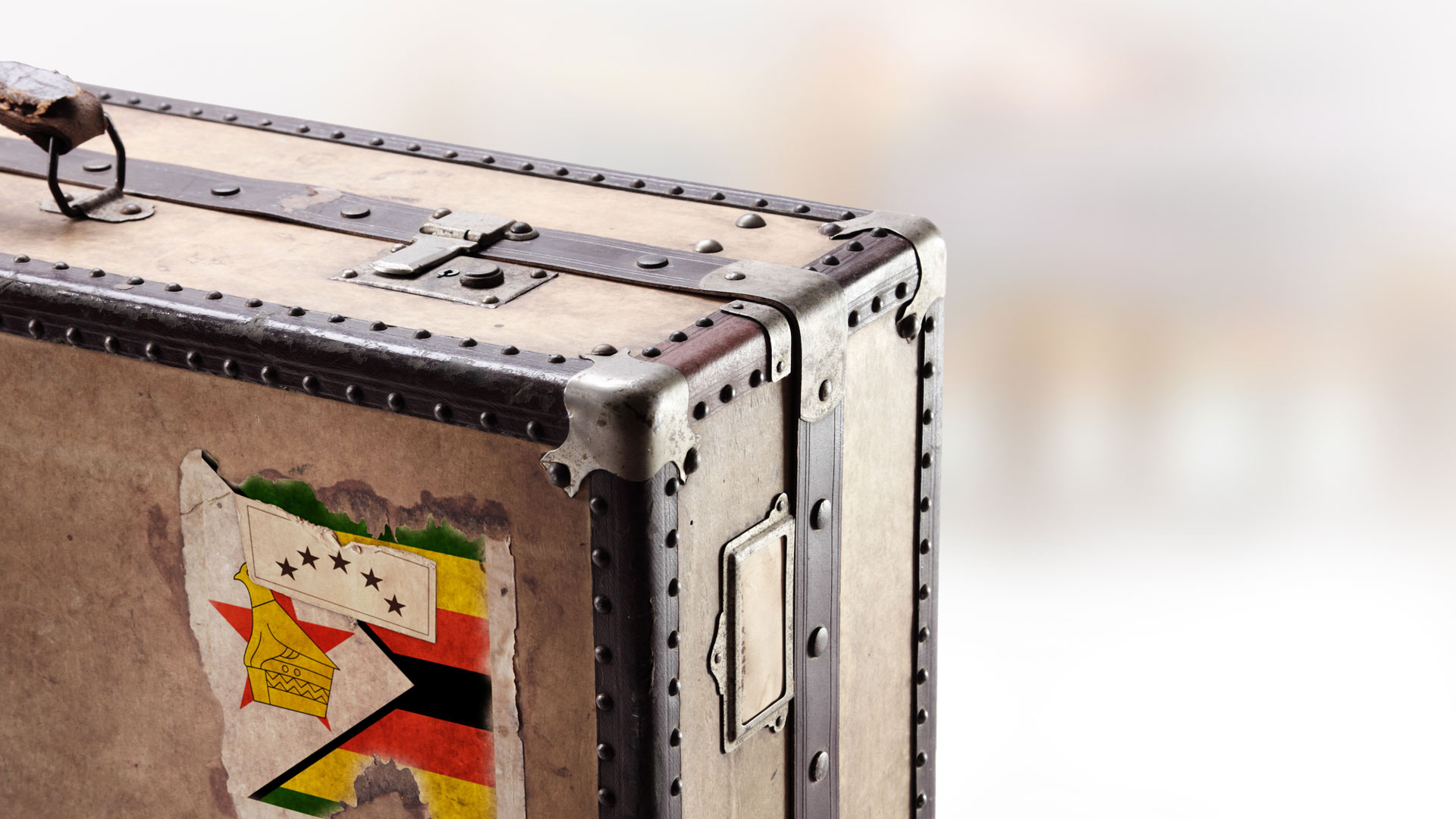
Packing for a Zimbabwe safari is genuinely different from packing for any other kind of holiday. Get it right and you'll be comfortable, inconspicuous to wildlife, and ready for everything from a 5 a.m. game drive in Hwange National Park to a sundowner sunset cruise on the Zambezi. Get it wrong and you'll be sweltering in the wrong fabrics, turning away tsetse flies in a bright-blue shirt, or paying excess baggage fees on a light aircraft that weighs every gram. This guide covers everything , clothing by season, camera gear, medical kits, electronics, luggage restrictions, and the items you should absolutely leave at home. Whether you're heading to Victoria Falls, tracking rhino on foot in the Matobo Hills, or settling in for a week of big-game viewing in Hwange, this is the only packing list you'll need.
The Safari Colour Guide: What to Wear (and What to Avoid)
The single most important rule of safari dressing is colour choice. Animals in the African bush are sensitive to movement and contrast, and the wrong colours can alert wildlife, attract insects, and even make your guide's job considerably harder. Here's what you need to know before you open your wardrobe.
Wear neutral, earth-toned colours: khaki, tan, olive green, sand, stone, and brown are the gold standard. These tones blend with the dry savannah grasses and mopane woodland that dominate Hwange and the Matobo Hills. Muted grey and off-white work well too, particularly in hotter months when lighter fabrics are essential.
Avoid blue and black , this is not optional. Tsetse flies are powerfully attracted to dark blue and black colours. These blood-sucking insects are common in Hwange and along the Zambezi corridor, and their bite is painful and can , in rare cases , transmit sleeping sickness. Multiple studies, including research published by the Bulletin of Entomological Research, confirm that tsetse flies show a strong preference for blue and black over neutral colours. Leave those items at home entirely.
Avoid bright white and fluorescent colours. White is highly visible to animals and can spook wildlife during a game drive or a walking safari. It also shows dust and red laterite soil almost immediately , and Zimbabwe's bush tracks are extraordinarily dusty, particularly from June through October.
Camouflage clothing is a grey area. In Zimbabwe, wearing military-style camouflage is technically restricted by law and can attract unwanted attention from authorities, particularly near border areas like Beitbridge or Kazungula. Stick to safari-branded neutrals rather than military camo prints.
"I turned up to Hwange in a navy linen shirt and spent the first game drive being dive-bombed by tsetse flies while everyone else was fine. My guide handed me a spare khaki shirt without a word. I never made that mistake again."
Tip: If you're planning a walking safari in Hwange or rhino tracking in Matobo Hills, your guide will almost certainly ask you to wear neutral colours as a safety requirement, not merely a suggestion. Pack accordingly before you arrive.
Clothing by Season: A Month-by-Month Packing Table
Zimbabwe has two primary seasons , a wet season (November to April) and a dry season (May to October) , but the packing implications are more nuanced than that binary suggests. Temperature swings between dawn and midday can exceed 20°C in the dry season, and the wet season brings afternoon storms that drench you in minutes before the sun returns blazing.
For a full breakdown of what to expect each month, including water levels at Victoria Falls, see our guide to the best time to visit Victoria Falls. The table below translates those seasonal conditions directly into packing decisions.
| Month | Season | Avg. Temp Range (°C) | Key Conditions | Essential Clothing Items |
|---|---|---|---|---|
| June – August | Peak Dry / Winter | 8°C – 26°C | Cold mornings, warm afternoons, no rain, dusty | Fleece jacket, warm beanie, thermals, long trousers, light shirt for midday |
| September – October | Late Dry / Hot | 18°C – 38°C | Intense heat, very dusty, peak wildlife viewing | Lightweight long-sleeved shirts, wide-brim hat, moisture-wicking fabrics, sandals for camp |
| November – December | Early Wet | 20°C – 35°C | Afternoon storms, high humidity, green landscape | Rain jacket or poncho, quick-dry trousers, insect repellent clothing, sun hat |
| January – March | Peak Wet | 20°C – 32°C | Heavy rains, lush bush, some roads impassable | Waterproof jacket, quick-dry everything, light layers, waterproof sandals or boots |
| April – May | Shoulder / Cooling | 12°C – 28°C | Rains easing, cooling nights, excellent birding | Light fleece, long trousers, layers, closed shoes for evening |
Layer up for game drives: Open-sided game-drive vehicles move at speed through cool morning air. Even in October, a fleece or lightweight down jacket is essential for the first hour of a dawn drive. Most experienced safari-goers pack one more warm layer than they think they'll need , and use it every time.
For activities beyond the vehicle , such as a canoe safari on the Zambezi or white water rafting at Victoria Falls , pack a separate set of clothes you're happy to get completely wet and muddy. Quick-dry synthetic fabrics are far superior to cotton in these contexts; cotton holds moisture, chafes, and takes hours to dry in humid conditions.
Camera Gear for Zimbabwe Safaris
Zimbabwe's wildlife and landscapes reward photographers generously , but only if you bring the right equipment. The question most travellers ask is: what camera gear is actually worth the weight?
The essential lens is a telephoto. For wildlife, a minimum focal length of 300mm is recommended; 400–600mm is ideal for birds and distant predators. If you're shooting with a mirrorless or DSLR system, a 100–400mm zoom lens offers the best versatility. For smartphone photographers, a clip-on telephoto lens (typically $30–$80 USD) makes a meaningful difference for game drives.
Bring more memory cards than you think you need. A single morning game drive in Hwange during the dry season can yield 500–1,000 shots. Pack at least 128GB of storage across multiple cards, and back up to a portable hard drive or cloud service every evening. Power banks and solar chargers (see the electronics section below) are essential for keeping devices charged between drives.
Dust is your camera's greatest enemy in the dry season. Hwange's red dust is extraordinarily fine and penetrates camera bags, lens caps, and even sealed camera bodies. Use a dust-proof camera bag or dry bag, keep a rocket blower and lens cloths accessible, and avoid changing lenses in the vehicle on dusty tracks.
"I lost a $900 lens to Hwange dust because I changed it on a game drive. Now I carry a changing bag and never swap glass in the field. The dust there is unlike anything I've encountered in East Africa."
| Budget Level | Camera Body | Recommended Lens | Approx. Cost (USD) | Best For |
|---|---|---|---|---|
| Entry Level | Smartphone + clip-on lens | Clip-on telephoto (2x–3x) | $30 – $80 | Social media, casual memories |
| Mid-Range | Sony A6700 / Canon R50 | 70–350mm or 100–400mm | $1,200 – $2,500 | Enthusiast wildlife photography |
| Advanced | Sony A9 III / Nikon Z9 | 200–600mm f/5.6 | $5,000 – $12,000+ | Professional / publication quality |
| Video Focus | GoPro Hero 12 / DJI Osmo | Wide-angle built-in | $300 – $600 | Action, rafting, immersive footage |
Drone restrictions: Drones require a permit from the Civil Aviation Authority of Zimbabwe (CAAZ) and are prohibited in national parks including Hwange and Matobo Hills. Flying an unpermitted drone risks confiscation and a fine. If you're a serious drone operator, contact the CAAZ well in advance of travel. Our Travel Advice page has up-to-date regulatory information.
If you're joining a birding trip in western Zimbabwe, consider a spotting scope with a phone adapter , it allows you to photograph birds at extreme distances without the cost of a professional telephoto lens.
Medical Kit, Malaria Prevention & First Aid Essentials
Zimbabwe is a malaria-endemic country, and this is the single most important health consideration for any visitor. The risk is highest in low-lying areas during and immediately after the wet season (November to May), particularly along the Zambezi Valley and in Binga on the shores of Lake Kariba. Hwange and Victoria Falls carry moderate risk year-round.
Antimalarial medication is strongly recommended for all visitors to western Zimbabwe. The three most commonly prescribed options are Atovaquone/Proguanil (Malarone), Doxycycline, and Mefloquine. Consult a travel health clinic or GP at least 4–6 weeks before departure, as some medications must be started in advance. Malarone is the most popular choice among travellers due to minimal side effects, though it costs approximately $3–$5 USD per tablet , budget around $60–$100 USD for a two-week course.
Beyond antimalarials, your medical kit should include the following essentials:
- DEET-based insect repellent (minimum 30–50% DEET concentration) , apply every evening from dusk
- Permethrin spray for treating clothing and mosquito nets
- Oral rehydration sachets , heat and activity cause rapid dehydration
- Imodium and Buscopan for gastrointestinal upsets
- Antihistamine tablets and cream for insect bites and allergic reactions
- Broad-spectrum antibiotics (prescribed by your GP) for remote travel
- Blister plasters and moleskin , essential for walking safaris and bush walks
- High-SPF sunscreen (SPF 50+) , the Zimbabwe sun is intense year-round
- Lip balm with SPF , often forgotten, always needed
- Personal prescription medications with a copy of your prescription
Important: Pharmacies in rural Zimbabwe have limited stock. Victoria Falls town and Bulawayo have reasonably well-stocked pharmacies, but do not rely on sourcing antimalarials or specific medications after you arrive. Bring everything you need from home. For a full health briefing, visit our Travel Advice page or consult the NHS Fit for Travel database before departure.
If you're planning a family safari with children, note that some antimalarials are not suitable for young children or pregnant women , paediatric doses and alternatives must be discussed with a doctor well in advance. Insect-repellent clothing (pre-treated with permethrin) is particularly valuable for children who are unlikely to tolerate DEET cream applied repeatedly throughout the day.
"We underestimated the sun in October. By day three, everyone had sunburn despite using SPF 30. In that heat and at that altitude, you need SPF 50 minimum, reapplied every two hours. The pharmacies in Vic Falls had stock but it cost three times what we'd have paid at home."
Electronics, Power & Connectivity
Zimbabwe uses Type G British three-pin plugs (the same as the UK), operating at 230V/50Hz. If you're travelling from within the UK, you need no plug adaptor at all. Travellers from the USA, Europe, or Australia will need a universal travel adaptor. Most modern electronics (laptops, cameras, phone chargers) are dual-voltage and handle 110–240V automatically , check the label on your charger before plugging in.
Power cuts (known locally as load-shedding) are a reality in Zimbabwe. Even in Victoria Falls town, scheduled power outages of 4–8 hours per day are not uncommon. Most safari lodges and camps run on generator or solar power and provide reliable electricity during set hours , typically early morning and evening. Always charge devices whenever power is available, and bring a high-capacity power bank (20,000mAh or more) to stay charged between sessions.
Connectivity varies enormously by location. Victoria Falls town has reasonable 4G coverage on the Econet and NetOne networks. Bulawayo has good urban connectivity. Hwange National Park's interior has very limited or no signal , most camps offer Wi-Fi in communal areas only, with speeds suitable for messaging but not streaming. If you need reliable data, a local SIM card from Econet (available at Victoria Falls airport for approximately $5–$10 USD including initial data) is the most cost-effective solution.
Tip: Download offline maps (Maps.me or Google Maps offline) for your destinations before you leave your hotel. Mobile data disappears quickly once you enter the national parks, and having offline navigation is invaluable , particularly if you're self-driving in Zimbabwe or exploring remote areas like Tsholotsho or Lupane.
A solar charger or solar power bank is genuinely useful for multi-day mobile or camping safaris where generator access is limited. Anker and Goal Zero both produce reliable units in the $50–$150 USD range that can fully charge a smartphone in 3–5 hours of direct sunlight , of which Zimbabwe has no shortage. For those joining a sunset cruise on the Zambezi or a longer itinerary across western Zimbabwe, keeping devices charged is a genuine logistical consideration worth planning for before you depart.
Camera Gear & Electronics for Safari
Zimbabwe's wildlife and landscapes are extraordinary, and you'll want to capture every moment , from elephant herds at Hwange National Park's famous waterholes to the spray-soaked drama of Victoria Falls. Getting your electronics kit right before you leave home is essential, as replacements are difficult and expensive to source in the bush.
For photography, a DSLR or mirrorless camera with a telephoto zoom lens (at minimum 300mm, ideally 400–600mm) will serve you well on game drives. Animals are rarely as close as they appear in magazine photos, and optical reach makes the difference between a record shot and a frame-worthy image. A wide-angle lens is equally valuable for landscapes, the Falls, and sunset cruises on the Zambezi. If you're planning a helicopter flight over the Falls, remove lens filters beforehand , vibration causes blur.
Compact camera users and smartphone photographers should invest in a quality gimbal or tripod for low-light game drive shots at dawn and dusk. A clip-on telephoto lens attachment for smartphones (available for around $30–$60 online) adds useful reach without the bulk.
| Item | Priority | Notes |
|---|---|---|
| Camera body + telephoto lens | High | 300mm minimum; 400–600mm ideal for wildlife |
| Spare camera batteries (x3+) | High | Cold mornings drain batteries faster |
| Memory cards (64GB x3+) | High | Bring more than you think you need |
| Universal travel adaptor | High | Zimbabwe uses Type G (UK-style) plugs |
| Portable power bank (20,000mAh) | High | Power cuts are common; lodges may have limited charging |
| Waterproof dry bag or case | Medium | Essential for canoe safaris and Falls visits |
| Headlamp or torch | High | For camp navigation after dark; red-light mode preferred |
| Laptop or tablet | Low | Adds weight; cloud backup via phone usually sufficient |
| Satellite communicator (e.g. Garmin inReach) | Optional | Recommended for remote self-drive itineraries |
Zimbabwe uses Type G (UK-style three-pin) sockets at 220–240V. Most lodges have charging facilities in communal areas, but remote camps may only offer solar-powered charging for a few hours per day. A high-capacity power bank is non-negotiable. If you're self-driving between parks, a 12V car charger adaptor is extremely useful for keeping devices topped up on the road.
Health Essentials, Malaria Kit & First Aid
Zimbabwe's safari regions , including Hwange, the Zambezi Valley, and areas around Victoria Falls , fall within a malaria-endemic zone. Taking health precautions seriously is not optional; it's a fundamental part of safari preparation. Consult a travel health clinic or GP at least six weeks before departure to discuss antimalarial medication options, which typically include Malarone (atovaquone/proguanil), Doxycycline, or Lariam (mefloquine).
Beyond malaria, Zimbabwe's remote locations mean that access to medical facilities can be limited. Binga and Tsholotsho, for instance, are hours from the nearest hospital. A well-stocked personal first aid kit is essential, particularly for travellers doing walking safaris , for which you can find detailed preparation advice in our guide to walking safaris in Zimbabwe.
| Item | Purpose | Notes |
|---|---|---|
| Antimalarial tablets | Malaria prevention | Prescribed by GP; start course before travel |
| DEET repellent (50%+) | Insect protection | Apply to skin and clothing at dawn/dusk |
| Permethrin spray | Clothing treatment | Treat clothes before travel; lasts multiple washes |
| Antihistamine (oral + cream) | Allergic reactions, insect bites | Cetirizine or loratadine recommended |
| Broad-spectrum antibiotics | Bacterial infections | Prescription required; discuss with GP |
| Oral rehydration salts | Dehydration, diarrhoea | Heat and travel stomach are common |
| Imodium (loperamide) | Traveller's diarrhoea | For short-term relief during travel |
| Ibuprofen & paracetamol | Pain, fever | Pack both; fever may indicate malaria |
| Blister plasters & wound dressings | Foot care, cuts | Essential for walking safaris and bush walks |
| Tweezers & tick remover | Tick removal | Check skin daily after bush walks |
| Eye drops (lubricating) | Dust irritation | Dry season dust is relentless |
| High-SPF sunscreen (SPF 50+) | Sun protection | Reapply every 2 hours on game drives |
| Travel insurance documents | Emergency evacuation | Ensure policy covers medical evacuation |
Luggage Restrictions: Light Aircraft & Safari Camps
This is the section most travellers overlook until it's too late. If your Zimbabwe itinerary includes any light aircraft transfers , common between Victoria Falls, Hwange National Park, and private concessions , you will face strict luggage limitations that fundamentally affect how you pack.
Most light aircraft operators in Zimbabwe (including Wilderness Air and Safari Air Link) enforce a soft-sided bag limit of 20kg total, including hand luggage. Crucially, bags must be soft-sided only , rigid suitcases and hard-shell cases cannot be accommodated in the luggage holds of small Cessna or Caravan aircraft. Weight is distributed across the aircraft for balance, and excess baggage may simply be left behind or transported on a later flight at additional cost.
For families travelling with children, luggage restrictions can be particularly challenging. Our family safari in Zimbabwe guide has specific advice on managing kit for little ones within weight limits. The golden rule is to pack only what you genuinely need for the safari portion , you can always shop for extras in Victoria Falls town before or after your bush experience.
Ground transfers between parks , for example, if you're self-driving or using a private vehicle , have no such restrictions, so structure your itinerary accordingly if packing light is a challenge. Many travellers do a Victoria Falls–Hwange–Victoria Falls loop by road specifically to avoid aircraft weight limits.
What NOT to Bring , and What to Buy in Victoria Falls
Knowing what to leave at home is just as important as knowing what to pack. Overpacking is the most common mistake first-time safari travellers make, and it causes real problems when you're wrestling a heavy suitcase onto a light aircraft or through a remote bush camp.
Leave these at home:
- Bright or dark clothing , White, blue, black, and red attract insects and disturb wildlife. Stick to the neutral tones outlined in the colour guide earlier in this article.
- Excessive jewellery , Beyond a watch and simple stud earrings, jewellery is unnecessary and can be a security risk in towns.
- Hair dryers and straighteners , Most safari camps have limited power; many lodges specifically ask guests not to use high-wattage appliances.
- Heavy books , Download e-books or audiobooks instead. A field guide app (like iNaturalist or Roberts Birds of Southern Africa) takes up zero luggage space.
- Drone , Drones are heavily restricted in Zimbabwe's national parks and require permits that are difficult to obtain. Leave yours at home to avoid confiscation.
- Camouflage clothing , Illegal for civilians to wear in Zimbabwe. This is a firm rule, not a suggestion.
What you can buy in Victoria Falls: Don't panic if you've forgotten something. Victoria Falls town has a surprisingly well-stocked range of shops catering to safari travellers. The Batonka Guest Lodge Curio Shop, Elephant's Walk Shopping Village, and several pharmacies stock basics including sunscreen, insect repellent, hats, lightweight clothing, and basic first aid supplies. Prices are higher than at home, but not extortionate , budget around $15–$25 USD for a quality hat, $10–$15 for a bottle of DEET repellent, and $20–$40 for a basic khaki shirt.
If you're visiting Bulawayo as part of your trip , perhaps to explore Matobo Hills or track rhino on foot (our rhino tracking guide covers everything you need to know) , the city has larger supermarkets including OK Mart and Pick n Pay where supplies are cheaper and more varied. For dining options while you stock up, the best restaurants in Bulawayo guide will point you in the right direction.
For a full overview of costs and budgeting across your entire Zimbabwe trip, our comprehensive guide to planning a trip to Zimbabwe breaks down every expense category in detail. And if you're combining your safari with a romantic stay at the Falls, the Victoria Falls honeymoon guide includes packing suggestions tailored specifically to couples planning special experiences like Devil's Pool and sunset cruises.
Final Thoughts
Packing for a Zimbabwe safari doesn't need to be overwhelming. Strip it back to the essentials , neutral-coloured layers for variable temperatures, robust footwear, a quality camera setup, a thorough health kit, and soft-sided luggage that fits within light aircraft limits , and you'll be well prepared for whatever the bush throws at you.
The most important thing to remember is that Zimbabwe rewards the prepared traveller. Whether you're watching elephant herds gather at Hwange's legendary waterholes, drifting along the Zambezi on a sunset cruise, or lacing up your boots for a walking safari in Hwange, having the right kit means you can focus entirely on the experience rather than your discomfort.
If you're still in the early stages of planning, our Trip Planner tool can help you build a personalised Zimbabwe itinerary, and our Travel Advice pages cover everything from visa requirements to currency and safety. You're also welcome to contact us directly , our team has first-hand experience across every corner of western Zimbabwe and loves helping travellers get their plans right.
Zimbabwe is one of Africa's most rewarding safari destinations, and with the right preparation, your trip will be everything you've dreamed of. Now go pack that bag , adventure is waiting.
Frequently Asked Questions
What colours should I wear on a Zimbabwe safari?
Stick to neutral tones such as khaki, tan, olive green, stone, and brown. Avoid blue and black clothing entirely , the tsetse fly is attracted to these colours and delivers a painful bite. White is impractical as it shows dust instantly and can disturb wildlife. Camouflage is illegal for civilians to wear in Zimbabwe and must be avoided completely.
What is the luggage limit for light aircraft in Zimbabwe?
Most light aircraft operators in Zimbabwe enforce a 20kg total luggage limit, including carry-on bags. Crucially, all luggage must be soft-sided , hard-shell suitcases cannot be accommodated. If you're arriving on a long-haul flight with a large case, leave it in secure storage at your Victoria Falls hotel and transfer only your safari essentials onto the light aircraft.
Do I need malaria tablets for a Zimbabwe safari?
Yes. Zimbabwe's major safari regions , including Hwange, Victoria Falls, and the Zambezi Valley , are malaria-endemic zones. Consult a travel health clinic at least six weeks before departure to be prescribed appropriate antimalarial medication. Combine tablets with 50%+ DEET repellent, long-sleeved clothing at dawn and dusk, and sleeping under a mosquito net for effective protection.
Can I buy forgotten safari items in Victoria Falls?
Yes. Victoria Falls town is well-equipped for safari travellers, with shops at Elephant's Walk and several pharmacies stocking sunscreen, insect repellent, hats, and lightweight clothing. Prices are higher than at home, so budget around $50–$100 USD for emergency purchases. Bulawayo has larger supermarkets with a wider range and more competitive prices if you're passing through.
Is laundry available at Zimbabwe safari camps?
Most established safari lodges and camps in Zimbabwe offer a same-day or next-day laundry service, often included in the all-inclusive rate. Budget camps and self-catering options may have hand-washing facilities only. This means you can pack fewer clothes than you might expect , five to seven days' worth of safari clothing is sufficient for most two-week itineraries.
What camera lens is best for wildlife photography in Zimbabwe?
A telephoto zoom lens with a minimum focal length of 300mm is recommended for wildlife photography in Zimbabwe's national parks. A 100–400mm or 150–600mm zoom lens offers the most versatility, covering both close-range and distant subjects. Pair it with a wide-angle lens for landscapes and Victoria Falls shots. Always carry a blower brush and lens cloth , dust is relentless in the dry season.