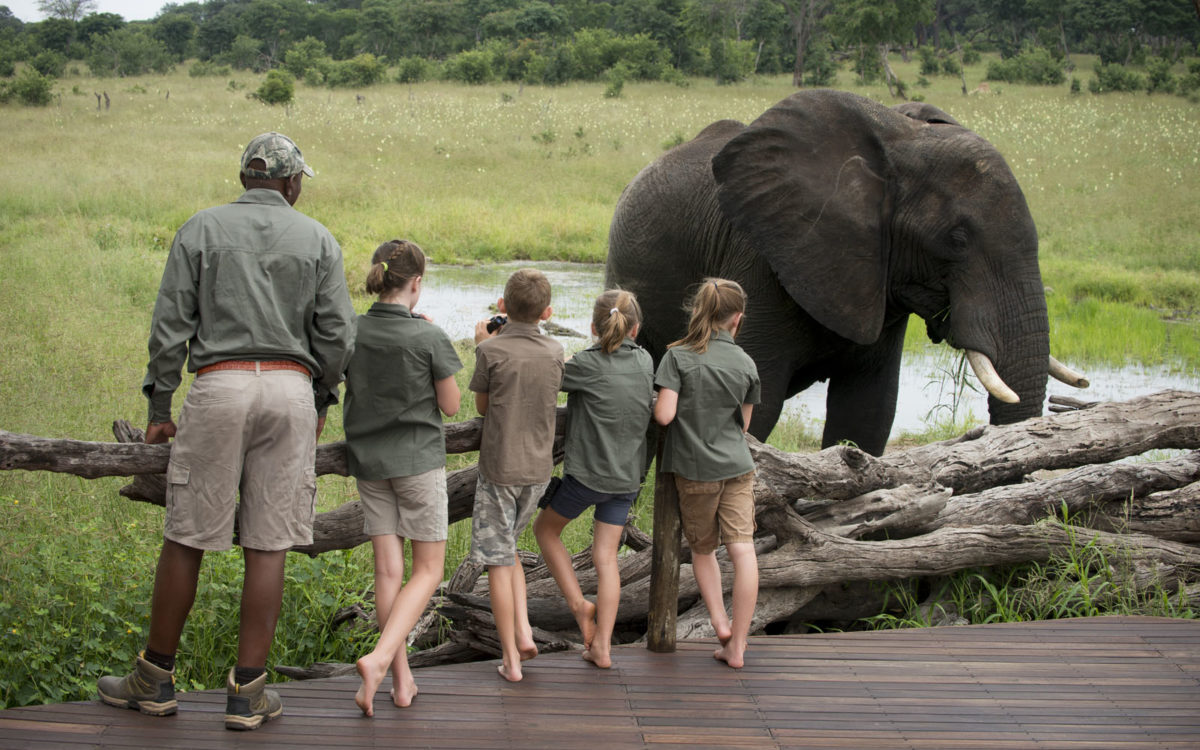
Few wildlife spectacles on earth rival the sight of hundreds of elephants converging on a waterhole in the golden light of a Hwange afternoon. In Zimbabwe's largest national park , a vast, semi-arid wilderness covering 14,651 square kilometres of Kalahari sandveld , water is life, and the waterholes are its beating heart. Unlike the Serengeti's seasonal migrations or Botswana's Okavango floods, Hwange's drama plays out year-round at a network of pumped and natural waterholes that draw extraordinary concentrations of wildlife to predictable, photographable locations. Whether you're a first-time safari-goer or a seasoned wildlife photographer, understanding where these waterholes are, when they peak, and how to make the most of each one is the single most important piece of planning you can do. This guide covers everything: the science behind the pumped waterhole system, the six waterholes you absolutely cannot miss, a full comparison table, season-by-season advice, and practical tips that will transform a good game drive into an unforgettable one. For the full context on camps, routes, and seasonal planning, start with our Ultimate Safari Guide to Hwange National Park , this article goes deeper on the waterholes specifically.
Why Waterholes Are the Key to Game Viewing in Hwange
Hwange National Park sits atop the Kalahari sandveld, a landscape defined by deep, porous soils that absorb rainfall almost immediately. Unlike parks underlain by impermeable rock , where rain creates rivers, pools, and seasonal wetlands , Hwange's sandy geology means that surface water is scarce or entirely absent across most of the park for much of the year. There are no permanent rivers within the park's boundaries. This single geological fact shapes everything about wildlife behaviour here, and it is precisely why Hwange's waterholes produce some of the most concentrated, reliable, and dramatic game viewing anywhere in Africa.
Animals in Hwange must drink regularly. Elephants, the park's most iconic residents, require up to 200 litres of water per day per adult. Buffalo herds of several hundred animals need to water daily. Lions, wild dogs, sable antelope, and zebra all return to the same sources repeatedly. Because the waterholes are fixed, finite, and known, wildlife viewing becomes almost guaranteed , you simply position yourself at the right waterhole at the right time and wait. The wildlife comes to you.
This is fundamentally different from the game-drive approach used in many other African parks, where you drive long distances hoping to intercept animals. At Hwange, the most experienced guides and self-drive visitors alike spend significant time stationary at waterholes, watching the constant procession of species arrive, interact, drink, and depart. The social dynamics on display , elephant family hierarchies, lion ambushes, the nervous approach of kudu while predators linger , make waterhole watching as intellectually absorbing as it is visually spectacular.
Hwange is home to one of Africa's largest elephant populations, with estimates ranging from 45,000 to over 50,000 individuals , a figure that makes the park critically important for continental elephant conservation. During the dry season (May to October), virtually all of these animals depend on the park's artificial waterholes. Understanding the waterhole network is therefore not just a game-viewing strategy; it is a window into one of the most significant wildlife conservation stories on the planet.
Did you know? Hwange's elephant population is so large that the park has become a critical refuge for the species across southern Africa. The elephants here are known to undertake seasonal movements of up to 200 kilometres between Zimbabwe, Botswana, and Zambia, making transboundary conservation partnerships essential to their survival.
The Pumped Waterhole System: Conservation Engineering in Action
Hwange's pumped waterhole system is one of the most important , and least celebrated , conservation interventions in African wildlife management. Without it, the park's extraordinary wildlife densities simply could not exist. The system was established in the 1930s by Ted Davison, Hwange's first warden, who recognised that the park's lack of surface water would limit its wildlife potential unless artificial sources were created. What began with a handful of windmills and hand-dug pans has evolved into a network of over 60 pumped waterholes spread across the park's main camps and wilderness areas.
The mechanics are straightforward: boreholes are drilled into underground aquifers, and water is pumped , historically by windmill, now increasingly by solar-powered pumps , into concrete or earthen pans at the surface. These pans range in size from small seeps holding a few thousand litres to large dams like Mandavu, which holds millions of litres and supports year-round wildlife concentrations. The pumps run continuously during the dry season, ensuring that water is available even when surface temperatures exceed 40°C and natural pans have been bone-dry for months.
The conservation importance of this system cannot be overstated. During the severe drought of 2019–2020, Zimbabwe's parks authority and conservation NGOs worked urgently to keep pumps operational as wildlife mortality threatened to spike. Organisations such as Painted Dog Conservation, the Zimbabwe Parks and Wildlife Management Authority (ZimParks), and international donors fund ongoing pump maintenance, solar upgrades, and borehole repairs. When you pay your park fees or book a lodge that contributes to conservation funds, a portion of that money flows directly into keeping these pumps running.
"The pumped waterhole system is the invisible infrastructure of Hwange's wildlife spectacle. Visitors see elephants; what they don't see is the solar panel, the borehole, and the maintenance team that made that moment possible."
, Conservation manager, Hwange National Park concession area
For visitors, the practical implication is this: the quality of game viewing at any given waterhole is directly linked to whether its pump is functioning. Before heading out on a self-drive or guided game drive, it is worth checking with your camp or lodge which waterholes are currently active. During peak season, most are operational, but mechanical failures do occur. Camps like Hwange Main Camp and Sinamatella maintain noticeboards with current waterhole status. You can also read more about how tourism spending supports this infrastructure in our article on conservation and community in Western Zimbabwe.
Tip: If you want to support the pumped waterhole system directly, ask your lodge whether they contribute to the Friends of Hwange Trust or similar organisations. Several high-end camps in the park's private concessions fund their own pump maintenance programmes , this is worth factoring into your accommodation choice.
Hwange Waterhole Comparison: At a Glance
The table below summarises the six key waterholes covered in this guide, with practical data to help you plan your visits. Distances are measured from Hwange Main Camp unless otherwise noted. Park entry fees are set by ZimParks and are subject to change; always verify current rates at the gate or via the Travel Advice section of this website.
| Waterhole | Type | Distance from Main Camp | Best Season | Peak Time of Day | Key Species | Nearest Camp/Lodge | Photography Highlight |
|---|---|---|---|---|---|---|---|
| Nyamandhlovu Pan | Pumped pan with viewing platform | 12 km | May–October (dry season) | Late afternoon (15:00–18:00) | Elephant, buffalo, lion, sable, giraffe | Hwange Main Camp | Elevated platform for eye-level shots; sunset light from the west |
| Ngweshla Pan | Pumped pan | 45 km (via Ngweshla picnic site) | July–October | Morning (06:00–09:00) & afternoon | Elephant (large herds), wild dog, cheetah, roan | Wilderness Safaris' Little Makalolo | Mass elephant gatherings; wild dog dens nearby in season |
| Kennedy Vlei (Kennedy 1–4) | Natural vlei with pumped supplementation | 80 km | August–November | All day in peak dry season | Elephant, lion, leopard, wild dog, hyena | Somalisa Camp, Davison's Camp | Wide open pans ideal for wide-angle landscape shots |
| Dom Pan | Pumped pan | 90 km | July–October | Afternoon | Elephant, buffalo, zebra, wildebeest | Linkwasha Camp | Flat, open terrain; excellent for vehicle-based photography |
| Mandavu Dam | Large earthen dam (natural supplemented) | 60 km (near Sinamatella) | Year-round; best May–October | Early morning | Elephant, hippo, crocodile, waterbirds, buffalo | Sinamatella Camp | Hippo pods; prolific birdlife for telephoto work |
| Masuma Dam | Earthen dam with hide | 65 km (near Sinamatella) | May–October | Late afternoon into dusk | Elephant, lion, leopard, painted wolf, waterbirds | Sinamatella Camp | Sunken hide provides ground-level perspective; exceptional predator sightings |
| Fee Type | Cost (USD) | Notes |
|---|---|---|
| Park Entry , International Adult | $20 per day | Payable at Main Camp, Sinamatella, or Robins Camp gates |
| Park Entry , SADC Adult | $5 per day | Valid SADC passport required |
| Vehicle Fee (foreign registered) | $10 per day | Per vehicle, regardless of passenger numbers |
| Nyamandhlovu Platform Access | Included in park fee | No additional charge; accessed via Main Camp road network |
| Masuma Dam Hide | Included in park fee | Book through Sinamatella Camp; limited to small groups |
| Guided Game Drive (lodge-based) | $45–$120 per person | Varies by operator; private concession drives often higher |
| Guided Walking Safari | $60–$150 per person | Licensed guide required; available from most camps |
Ngweshla Pan & Nyamandhlovu Platform: The Premier Viewing Sites
If you visit only two waterholes in Hwange, make them Ngweshla Pan and Nyamandhlovu. These are the park's most celebrated game-viewing locations, and for good reason: both offer extraordinary wildlife concentrations combined with practical viewing infrastructure that makes them accessible to visitors of all experience levels.
Nyamandhlovu Pan , the name means "place of the big elephant" in Ndebele , sits just 12 kilometres from Hwange Main Camp along a well-maintained gravel road. Its most distinctive feature is the elevated wooden viewing platform, which rises approximately four metres above the pan's edge. This elevation is transformative for wildlife watching: rather than peering over a vehicle roof or straining through binoculars, you have a panoramic view of the entire pan and its approaches. In the dry season, it is not unusual to watch 200 or more elephants arrive over the course of a single afternoon session, approaching in family groups from different directions, interacting at the water's edge, and departing in the golden hour light. Buffalo herds of several hundred animals are equally common. Lion and leopard are regularly seen, particularly in the early morning when nocturnal hunters linger near the water.
The platform has seating for approximately 20 visitors and is open during daylight hours. There is no charge beyond the standard park entry fee. Bring water, sunscreen, and more patience than you think you'll need , the best sightings often happen after a quiet hour of waiting.
Ngweshla Pan, located roughly 45 kilometres from Main Camp in the park's central wilderness zone, operates at a different scale entirely. This is where Hwange's elephant population congregates most dramatically during the peak dry season (August to October). Counts of 300 to 500 elephants at a single pan have been recorded here, and the associated wildlife , lion prides, spotted hyena clans, and occasionally wild dog packs from nearby dens , makes Ngweshla the closest thing to a guaranteed "everything" game drive in Zimbabwe. The pan is also excellent for bird watching, with raptors, rollers, and bee-eaters abundant in the surrounding mopane woodland.
Access to Ngweshla is straightforward for self-drive visitors, though the road quality beyond the Ngweshla picnic site requires a high-clearance 4x4 during and after the rains. The picnic site itself , shaded, with basic ablutions , makes an excellent lunch stop on a full-day circuit from Main Camp. For guided access, several lodges in the area including Little Makalolo and Davison's Camp run dedicated Ngweshla drives.
Photography tip: At Nyamandhlovu, arrive at least 30 minutes before the light you want to shoot in. The platform fills up quickly during peak season, and the best positions , facing west for afternoon backlight , go first. For Ngweshla, a 400mm or longer lens is recommended for detail shots of distant elephant gatherings. Read our full guide to wildlife photography on a Zimbabwe safari for more on gear and technique.
Kennedy Vlei & Dom Pan: The Wild West of Hwange
The Kennedy Vlei system and Dom Pan represent Hwange at its most remote and rewarding , a cluster of waterholes in the park's southern wilderness that consistently produces some of the finest predator sightings in Zimbabwe. Getting here requires either a long self-drive from Main Camp (approximately 80–90 kilometres on increasingly rough tracks) or a stay at one of the private concession camps that operate in this area, including Somalisa Camp, Davison's Camp, and Linkwasha Camp.
The Kennedy system comprises four separate pans , Kennedy 1 through Kennedy 4 , spread across a broad, open vlei (grassland depression). Unlike the tree-fringed pans near Main Camp, the Kennedy pans sit in open terrain with long sight lines in every direction. This openness is what makes them exceptional for predator viewing: there is nowhere for a lion pride or a pack of African painted wolves (wild dogs) to hide, and the flat ground gives photographers the wide, unobstructed frames that make for truly dramatic images. Wild dog packs are regularly seen hunting impala and reedbuck around the Kennedy pans, particularly in the early morning.
Lion sightings at Kennedy are exceptional by any standard. The open vlei habitat concentrates prey species , zebra, wildebeest, impala, and warthog , which in turn attracts large lion prides. Leopard are less commonly seen in daylight here than at the more wooded waterholes, but night drives from concession camps regularly encounter them on the roads between pans. Cheetah, though never abundant in Hwange, are seen with reasonable frequency in this open country.
Dom Pan, roughly 10 kilometres south-east of Kennedy, is a pumped waterhole surrounded by classic Kalahari sandveld , open grassland transitioning to mixed woodland. It is particularly good for large aggregations of buffalo and zebra during the dry season, and the flat terrain makes it ideal for vehicle-based photography. Game drives from Linkwasha Camp regularly combine Dom and Kennedy in a single circuit, covering the best of this wilderness sector in one extended morning or afternoon session.
If you are planning a self-drive safari in Hwange, be aware that the tracks to Kennedy and Dom are among the most challenging in the park. A high-clearance 4x4 with a full-size spare tyre is non-negotiable, and it is strongly advisable to carry extra fuel (the nearest filling station is in Hwange town, approximately 25 kilometres from Main Camp). The reward for this extra effort is a level of solitude and wildness that the more accessible northern waterholes rarely offer.
"We sat at Kennedy 2 for three hours and watched a pride of eleven lions sleep off a buffalo kill, then rouse themselves and walk straight past our vehicle to drink. It was the most extraordinary morning of my life."
, Traveller review, Somalisa Camp, 2023
Important: The tracks to Kennedy Vlei and Dom Pan are frequently closed or severely degraded during and immediately after the rainy season (November to April). Always check current road conditions with ZimParks at Main Camp or Sinamatella before attempting this route. Getting stuck in deep sand far from camp is a genuine risk for unprepared self-drive visitors.
Continue reading in Part 2, where we cover Mandavu Dam and Masuma Dam in detail, break down the best months for waterhole watching, share expert photography advice, and provide everything you need to plan your visit , including how to combine Hwange's waterholes with a wider road trip through Western Zimbabwe.
Hwange's Pumped Waterhole System: A Conservation Lifeline
Unlike many of Africa's great parks, Hwange National Park sits on a fossil sand plateau with virtually no natural surface water across much of its interior. Without intervention, the park's extraordinary wildlife density simply could not exist. The solution , one of Zimbabwe's most remarkable conservation achievements , is a network of over 60 pumped waterholes that draw water from underground aquifers, keeping animals alive through the brutal dry season months of August, September and October.
The system dates back to the colonial era, when the first boreholes were sunk in the 1930s to encourage wildlife to spread into the park's waterless interior. Today, a combination of solar-powered pumps, diesel engines and, in some remote areas, wind pumps keeps the water flowing. Organisations such as Bhejane Trust and Friends of Hwange have invested significantly in maintaining and upgrading this infrastructure, replacing ageing diesel pumps with more reliable solar units that reduce both cost and carbon footprint.
The conservation importance cannot be overstated. Hwange's elephant population , estimated at over 45,000 animals , is one of the largest concentrations on Earth, and it depends almost entirely on pumped water during the dry season. Without functioning pumps, mass die-offs would occur within weeks. This reality makes supporting organisations that maintain the pump network one of the most direct ways visitors can contribute to conservation. You can learn more about how your visit helps conservation and community in western Zimbabwe, including which organisations to donate to directly.
Visitors staying at camps near operational pumps , particularly Ngweshla, Masuma and Kennedy , will often hear the quiet hum of solar pump machinery, a sound that has become synonymous with life in Hwange. If you notice a waterhole running dry or a pump malfunctioning during your visit, report it immediately to camp staff. Quick reporting has saved countless animals from dehydration stress.
Photography at Hwange Waterholes: Techniques, Timing and Gear
Hwange's waterholes offer some of the most extraordinary wildlife photography opportunities anywhere in Africa, but capturing them well requires preparation. For detailed guidance, our 12 wildlife photography tips for your Zimbabwe safari covers equipment and technique comprehensively , but here are the waterhole-specific insights that make the difference between a good shot and a genuinely exceptional one.
Light is everything. The golden hours , roughly 06:00 to 08:00 and 16:30 to 18:30 , produce the warm, directional light that transforms waterhole scenes. Midday light is harsh and flat, though it can work well for dramatic elephant dust-bath shots where the backlit dust creates a halo effect. Position yourself with the sun behind you whenever possible, though at Nyamandhlovu Pan's elevated platform you have less control over your angle.
Reflections and water surface shots are Hwange's signature. A low shooting angle , achievable from a vehicle or the ground-level hides at Masuma Dam , captures reflections of elephants, giraffes and trees in still water. Shoot in the early morning before wind disturbs the surface. A polarising filter reduces glare and deepens colours, though it will eliminate reflections if rotated too far.
Patience beats positioning. Experienced photographers spend three to four hours at a single waterhole rather than moving between sites. Behaviour , drinking, sparring, mud-bathing, suckling calves , unfolds gradually. The first arrivals are often skittish; once a dominant elephant bull settles at the water, the scene relaxes and the most intimate moments begin.
| Waterhole | Best Light Direction | Optimal Time | Signature Shot | Recommended Lens |
|---|---|---|---|---|
| Ngweshla Pan | East/West | 16:30–18:30 | Backlit elephant herds in dust | 200–500mm |
| Nyamandhlovu | Variable (elevated) | 06:00–09:00 | Wide aerial herd shots | 70–200mm |
| Masuma Dam | North-facing | 07:00–10:00 | Ground-level reflections | 100–400mm |
| Kennedy 1 | East-facing | 06:30–08:30 | Lion at water at dawn | 400–600mm |
| Dom Pan | South-facing | 15:00–17:30 | Mixed species convergence | 70–300mm |
| Mandavu Dam | West-facing | 16:00–18:00 | Sunset hippo silhouettes | 300–500mm |
Planning Your Waterhole Safari: Costs, Logistics and Insider Tips
Getting the most from Hwange's waterholes requires more than simply arriving at the park gate. Thoughtful planning , particularly around accommodation proximity, vehicle choice and seasonal timing , separates a memorable visit from a truly extraordinary one. If you are considering a self-drive itinerary, our comprehensive self-drive safari guide to Hwange covers road conditions, route planning and vehicle requirements in detail.
When to go: The dry season (May to October) is unequivocally the best time for waterhole game viewing. September and October are peak months , waterholes become the only water source for miles, concentrating animals in numbers that defy belief. However, these months are also the hottest, with temperatures regularly exceeding 38°C. May to July offers cooler conditions and excellent sightings with slightly fewer crowds. The wet season (November to April) brings lush vegetation and newborn animals but disperses wildlife away from waterholes.
Accommodation proximity matters enormously. Camps within walking distance of a productive waterhole , such as Masuma Dam camp or the hides near Ngweshla , allow you to visit at dawn and dusk without long drives, maximising your time during peak activity hours. Booking well in advance (six to twelve months for peak season) is essential, particularly for National Parks accommodation which is priced affordably but fills quickly.
For those combining Hwange with a broader western Zimbabwe itinerary, the park pairs naturally with Victoria Falls (two hours north) and the ancient landscapes of Matobo Hills to the south-east. Our guide to the great western Zimbabwe road trip from Victoria Falls to Bulawayo maps out a logical route that incorporates all three destinations efficiently.
| Category | Budget Option | Mid-Range Option | Luxury Option |
|---|---|---|---|
| Accommodation (per night) | $15–$40 (NP chalets/camping) | $150–$300 (lodge) | $400–$800+ (premier lodge) |
| Park Entry Fees (per day) | $15 (SADC) / $30 (international) | $30 (international) | Included in lodge rate |
| Guided Game Drive | $25–$50 (shared) | $80–$150 (private) | Included in lodge rate |
| Vehicle Hire (self-drive) | $60–$90/day (4x4 rental) | $90–$130/day | N/A |
| Meals | $10–$20 (self-catering) | $40–$70 (lodge meals) | Included in lodge rate |
| Estimated Daily Total | $120–$200 | $300–$550 | $450–$900+ |
Guided game drives in Hwange led by experienced local guides offer significant advantages over self-drive at waterholes , guides know which pumps are currently operational, which waterholes have seen recent predator activity, and can interpret animal behaviour in ways that transform a sighting into a story. Many lodges also offer elephant experiences that provide a different perspective on the animals you will encounter at the waterholes.
Beyond Elephants: Birds, Predators and Unexpected Encounters
It would be easy to write about Hwange's waterholes as purely an elephant spectacle , and the sheer scale of elephant gatherings does dominate the experience. But those who sit patiently at a productive waterhole for several hours discover that the supporting cast is equally extraordinary. Hwange is, in fact, one of Zimbabwe's premier birding destinations, and waterholes are central to that reputation. For a full exploration of the region's avian riches, our guide to bird watching in western Zimbabwe covers 50 must-see species across eight key sites.
At the waterholes themselves, expect to encounter African fish eagles calling from dead trees above Mandavu Dam, flocks of helmeted guineafowl arriving in noisy processions, and the electric flash of malachite kingfishers hunting along the water's edge. Raptors , including martial eagles, bateleurs and Verreaux's eagle-owls , are regularly spotted at Ngweshla and Kennedy, drawn by the concentration of small mammals and birds. In the early morning, sand grouse arrive in their hundreds at certain waterholes, performing their remarkable ritual of soaking their breast feathers to carry water back to chicks.
Predator sightings at waterholes require patience but deliver unforgettable rewards. Lions are most commonly encountered at Kennedy 1 and 2 in the early morning, often lying in the shade within sight of the water. Leopards are secretive but occasionally spotted in the acacia thickets surrounding Dom Pan at dusk. Wild dogs, one of Africa's most endangered predators, have been recorded at Ngweshla , a sighting that veteran safari-goers rank among the continent's most thrilling.
Hwange's waterholes also attract significant numbers of Tsholotsho district's large giraffe population, which must splay their legs awkwardly to reach the water surface , a posture that makes them momentarily vulnerable to predators and creates one of the safari world's most visually striking scenes. For those planning a broader regional journey, Binga and the shores of Lake Kariba offer a completely different wildlife experience, detailed in our guide to Binga and Lake Kariba: western Zimbabwe's hidden gem.
The combination of mega-fauna, predators, extraordinary birdlife and unexpected nocturnal visitors makes Hwange's waterholes genuinely multi-layered destinations. No two visits are alike, and experienced safari travellers return year after year, finding something new at the same pools of water they have watched for decades. Use our trip planner to build an itinerary that maximises your time at the park's most productive sites, or browse our business directory for vetted local guides and lodge operators.
Final Thoughts
Hwange's waterholes are more than game-viewing spots , they are the beating heart of one of Africa's great wildlife ecosystems. The sight of a hundred elephants arriving at Ngweshla Pan in the amber light of late afternoon, the dust rising against a copper sky, is the kind of experience that recalibrates your sense of what the natural world is capable of. It is primal, overwhelming and profoundly moving in equal measure.
What makes Hwange unique is not just the scale of what you witness but the knowledge that it exists because of deliberate human effort. Every pumped waterhole represents a commitment , by park authorities, conservation organisations and the tourism operators who fund them , to maintaining a landscape that would otherwise be too dry to support such extraordinary life. When you sit at Masuma Dam or Kennedy Pan, you are the beneficiary of decades of conservation work, and your presence there, in turn, helps fund its continuation.
Plan your visit around the dry season for maximum impact, position yourself at the waterholes during the golden hours, and resist the urge to move on too quickly. The greatest Hwange moments do not announce themselves , they unfold gradually, rewarding those who wait. Whether you are a first-time visitor combining the park with Victoria Falls or a returning traveller who has made Hwange an annual pilgrimage, the waterholes will deliver something you did not expect.
For the complete picture of everything Hwange offers beyond its waterholes , from camp options to the Big Five tracking routes , explore our ultimate safari guide to Hwange National Park. And for practical trip planning, including visas, flights and budgeting for a western Zimbabwe journey, our planning guide for western Zimbabwe covers everything you need before you depart. If you have specific questions or need tailored recommendations, our team is always happy to help , contact us directly or browse our travel advice pages for up-to-date information on road conditions, park fees and seasonal access.
Frequently Asked Questions
What is the best time of year to visit Hwange's waterholes?
The dry season from May to October offers the best waterhole game viewing in Hwange. September and October are peak months when wildlife concentrations are at their highest, as pumped waterholes become the only available water source across large areas of the park. May to July provides cooler temperatures with excellent sightings and fewer visitors. The wet season disperses animals away from waterholes into the broader bush.
Which waterhole in Hwange is best for seeing elephants?
Ngweshla Pan in the Main Camp area is widely regarded as Hwange's finest elephant waterhole, regularly attracting herds of 200 to 500 animals during September and October. Masuma Dam and Nyamandhlovu Pan are also outstanding elephant sites. All three are accessible on a self-drive circuit and offer either vehicle-based or hide-based viewing. Ngweshla's open, flat terrain makes it particularly spectacular for photography.
Are Hwange's waterholes natural or man-made?
The majority of productive waterholes in Hwange are pumped from underground boreholes, as the park sits on a fossil sand plateau with little natural surface water. Solar and diesel pumps draw water from aquifers and pipe it to surface pans. A few natural waterholes and dams , including Mandavu Dam , exist in the north of the park. The pumped waterhole system is a critical conservation infrastructure maintained by park authorities and charitable organisations.
Can I visit Hwange's waterholes on a self-drive safari?
Yes, most of Hwange's major waterholes are accessible on a self-drive safari with a 4x4 vehicle, though road conditions vary significantly by season. Ngweshla, Nyamandhlovu, Kennedy and Dom Pan are all reachable from Main Camp on graded tracks. Masuma Dam and Mandavu are accessed from Sinamatella Camp. Roads become challenging after heavy rain. Our self-drive safari guide provides detailed route and road condition information.
What are the park entry fees for Hwange National Park?
As of 2024, international visitors pay approximately USD $30 per person per day to enter Hwange National Park, with SADC nationals paying a reduced rate of around USD $15. Vehicle fees apply separately. National Parks accommodation , chalets, lodges and campsites , must be booked in advance through the Zimbabwe Parks and Wildlife Management Authority. Fees are subject to change; always verify current rates through official channels or our travel advice pages before visiting.
How do I support the conservation of Hwange's pumped waterholes?
Several organisations directly maintain Hwange's pump network and welcome donations. Bhejane Trust and Friends of Hwange are the most prominent, funding solar pump installations and emergency repairs. Staying at lodges that contribute a portion of revenue to pump maintenance is another effective approach. Booking guided activities through operators who employ local community members also channels tourism income into conservation. Visit our guide on conservation and community in western Zimbabwe for a full breakdown of how to give meaningfully.