Few places on Earth stop you in your tracks quite like Victoria Falls. Before you even see it, you hear it , a low, building roar that grows into something almost primordial. Then comes the spray, rising hundreds of metres into the sky, soaking the surrounding rainforest and drenching anyone foolish enough to leave their waterproof jacket at the hotel. Known locally as Mosi-oa-Tunya , "The Smoke That Thunders" , this UNESCO World Heritage Site straddles the border between Zimbabwe and Zambia, stretching an extraordinary 1,708 metres wide and plunging 108 metres into the Batoka Gorge below. It is, by every measurable definition, the largest curtain of falling water on the planet. Whether you're planning a once-in-a-lifetime trip or simply trying to decide which side of the border to visit first, this guide covers everything you need to know before you go.
Quick Facts at a Glance
Before diving into the detail, here's a snapshot of the essential statistics and logistics that define a visit to Victoria Falls. These numbers give a sense of the sheer scale of what you're dealing with , and why no photograph ever quite does it justice.
| Detail | Information |
|---|---|
| Width | 1,708 metres , the widest curtain of falling water on Earth |
| Height | 108 metres , roughly twice the height of Niagara Falls |
| Peak flow rate | ~500 million litres per minute (March–April) |
| UNESCO status | World Heritage Site since 1989 |
| Entry fee (Zimbabwe side) | USD $50 for international visitors |
| Entry fee (Zambia side) | USD $20 for international visitors |
| Nearest airport | Victoria Falls International Airport (VFA), Zimbabwe |
| Distance from Harare | ~880 km by road (approx. 9–10 hours) |
| Distance from Bulawayo | ~440 km by road (approx. 5 hours) |
| Best months to visit | June–August (shoulder) or February–May (peak flow) |
| Currency (Zimbabwe) | USD widely accepted; Zimbabwe Gold (ZiG) in circulation |
| Time zone | CAT , Central Africa Time (UTC+2) |
Victoria Falls was first documented by European explorer David Livingstone in November 1855, who named it in honour of Queen Victoria. His description remains one of the most evocative ever written about the falls.
"The most wonderful sight I had witnessed in Africa." , David Livingstone, 1855
For a deeper look at what to do once you arrive, our Complete Guide to Victoria Falls: Activities, Viewpoints, Best Time to Visit & Insider Tips covers the full experience in exhaustive detail.
When to Visit: A Seasonal Breakdown
The single most important decision you'll make about your Victoria Falls trip is when to go. The Zambezi River's flow changes dramatically across the year, and with it, the entire character of the falls. There is no universally "best" time , it depends entirely on what kind of experience you're after.
High Water Season (February – May)
This is Victoria Falls at its most ferocious. The Zambezi reaches peak flow in March and April, pushing approximately 500 million litres of water per minute over the edge. The spray column rises over 400 metres and is visible from up to 50 kilometres away. Walking the Zimbabwe side's famous Rainforest Walk during this period is less a stroll and more a drenching , you will be soaked within minutes, regardless of what you're wearing. Bring a waterproof jacket, a dry bag for your camera, and embrace it.
The trade-off is visibility. The sheer volume of mist can obscure views from several key viewpoints, particularly on the Zambian side. Devil's Pool , the famous natural rock pool perched at the very lip of the falls , is closed during high water for obvious safety reasons.
Low Water Season (September – December)
By September, water levels have dropped significantly, revealing the dramatic exposed rock face of the gorge. The Eastern Cataract may reduce to a trickle by November, and sections of the falls can dry up almost entirely by December. For many visitors, this is disappointing , but for photographers and adventure-seekers, it's a revelation. Views are completely unobstructed, the gorge geology is fully exposed, and this is the only time of year you can swim in Devil's Pool. Floating at the edge of a 108-metre drop with nothing but a natural rock lip between you and the abyss is, by any measure, one of the most extraordinary experiences in African travel.
Shoulder Season (June – August) ⭐ Most Recommended
For most visitors, June to August represents the sweet spot. Water levels are moderate , high enough for the falls to be impressively full and atmospheric, low enough for clear views from most viewpoints. Zimbabwe's winter brings sunny, dry days with cool mornings (temperatures range from around 10°C at night to 25°C by midday). The combination of good views, pleasant weather, and manageable crowds makes this the most popular travel window , which means you should book accommodation well in advance, particularly for July and August.
June to August also coincides with peak game-viewing season at Hwange National Park, just 100 kilometres to the south-east, making it the ideal time to combine a falls visit with a full safari. Our Safari Guide to Hwange National Park has everything you need to plan that leg of the trip.
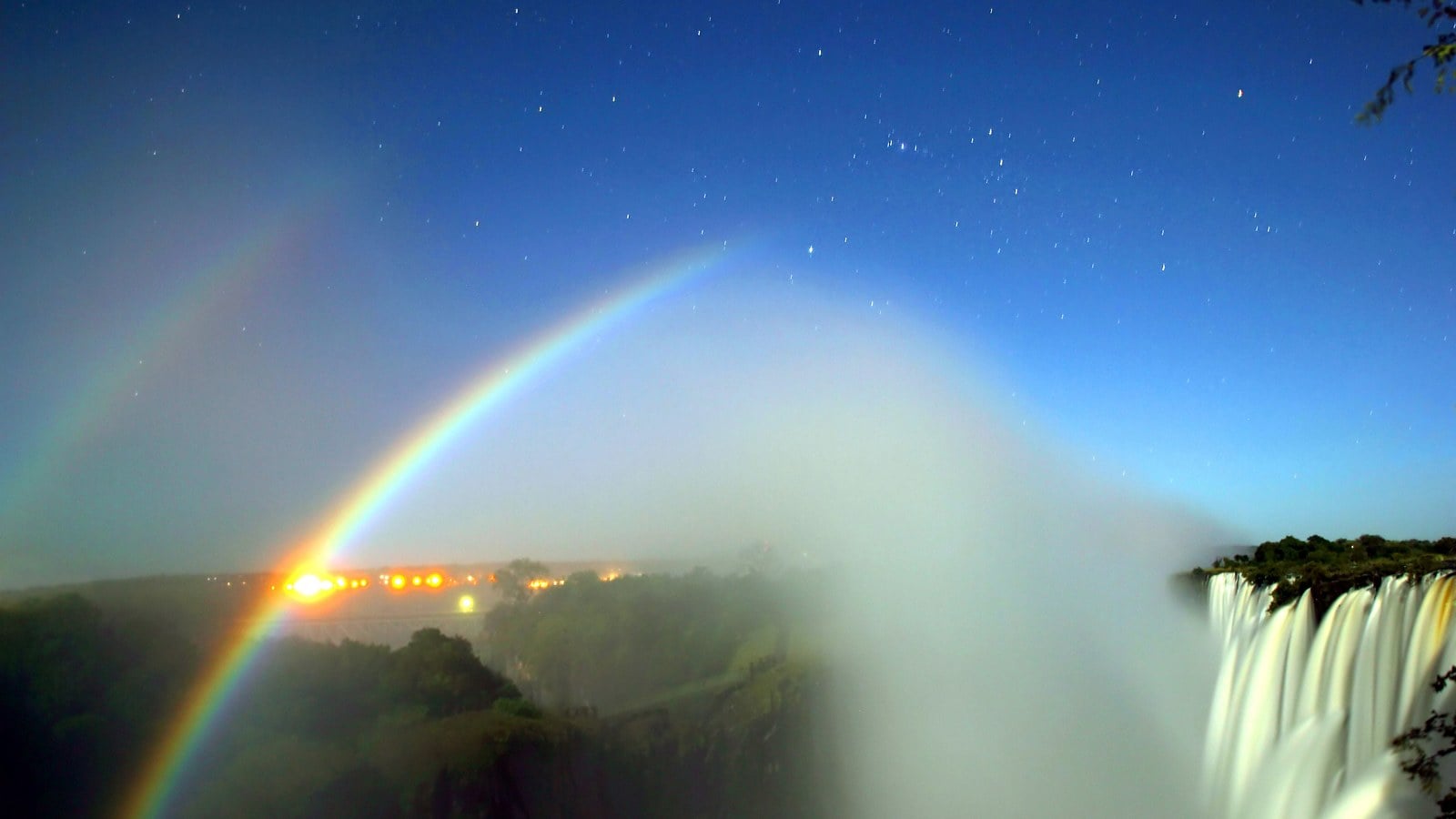
💡 Pro tip: Visit the falls early morning , gates open at 6:00 AM on the Zimbabwe side. You'll beat the tour groups, the light is golden, and the rainbow over the Eastern Cataract is most vivid between 8:00 AM and 10:00 AM. On full moon nights, the falls also produce a rare lunar rainbow , check the lunar calendar when booking.
Getting There: Flights, Transfers, and Overland Routes
Victoria Falls is well connected by air from several African hubs, and increasingly accessible via overland routes for travellers combining it with a broader Zimbabwe or southern Africa itinerary.
By Air
Victoria Falls International Airport (VFA) sits approximately 18 kilometres from the town centre and handles both domestic and international flights. It was significantly upgraded in 2016 and now accommodates wide-body aircraft. The following routes serve VFA directly or with a single connection:
| Route | Airline(s) | Approx. Flight Time | Notes |
|---|---|---|---|
| Johannesburg (JNB) → VFA | FlySafair, Airlink, Ethiopian Airlines | ~1 hr 45 min | Most frequent connection; multiple daily flights |
| Harare (HRE) → VFA | Air Zimbabwe, Fastjet | ~1 hr 20 min | Domestic; useful for fly-in itineraries from Harare |
| Nairobi (NBO) → VFA | Kenya Airways (via NBO) | ~3 hrs 30 min | Good option for East Africa connections |
| Addis Ababa (ADD) → VFA | Ethiopian Airlines | ~4 hrs | Useful for intercontinental arrivals via Ethiopia |
| London (LHR) → VFA | Via JNB or ADD | ~13–15 hrs total | No direct flights from UK; JNB connection most common |
From the airport, taxis to Victoria Falls town cost approximately USD $20–$30 and take around 20 minutes. Most hotels and lodges offer pre-arranged transfers , worth booking ahead, particularly late at night.
By Road
Victoria Falls town is reachable overland from several directions. From Bulawayo, the journey covers roughly 440 kilometres along the A8 highway , a straightforward five-hour drive through open savannah and the fringes of Hwange. This route forms part of the popular Great Western Zimbabwe Road Trip, which takes in Hwange National Park and the Matobo Hills en route. For travellers arriving from Botswana, the Kazungula border crossing , now served by the new Kazungula Bridge , provides a direct link from Kasane, just 70 kilometres away.
⚠️ Road conditions: The A8 between Bulawayo and Victoria Falls is generally in good condition, but sections around Hwange can deteriorate during the rainy season (November–March). A standard saloon car is fine in dry season; a 4x4 is advisable if you plan to venture into the national park. Fuel availability can be inconsistent outside major towns , fill up whenever you can. See our Travel Advice page for current road and border conditions.
Zimbabwe Side vs. Zambia Side: Which Is Better?
This is the question every first-time visitor asks, and the honest answer is: both sides offer something the other doesn't. Many travellers visit both on the same trip , the border crossing at the Victoria Falls Bridge is straightforward and takes around 30–45 minutes with a KAZA Univisa (more on that in the next section).
The Zimbabwe Side
The Zimbabwe side offers the most comprehensive and dramatic views of the main falls. The famous Rainforest Walk , a path that runs along the full length of the gorge opposite the falls , provides access to 16 numbered viewpoints, each offering a different perspective. In high water season, this walk is an experience unlike anything else: the roar is deafening, the spray creates a permanent downpour, and the vegetation is lush and tropical. The Zimbabwe side is also home to the Victoria Falls Bridge, where you'll find bungee jumping (111 metres , one of the highest commercial bungee jumps in the world) and the bridge swing.
The Zambia Side
The Zambian side provides closer, more intimate access to certain sections of the falls, including the Eastern Cataract and the Knife Edge Bridge , a walkway that puts you directly in the spray with the gorge on both sides. It is also the access point for Devil's Pool, the natural infinity pool at the lip of the falls available during low water season (roughly September to December). The Zambian side tends to be slightly quieter and is often considered better for photography of the full falls panorama.
"We visited both sides on the same day using the KAZA Univisa. The Zimbabwe side blew us away with the sheer scale of the Rainforest Walk. But swimming in Devil's Pool on the Zambia side was the moment I'll never forget for as long as I live." , Sarah T., solo traveller, October 2024
ℹ️ KAZA Univisa: The KAZA Univisa (USD $50) grants multiple-entry access to both Zimbabwe and Zambia for 30 days, making it the most cost-effective option for visitors who want to explore both sides of the falls , and potentially add a day trip into Botswana via Kazungula. It is available on arrival at Victoria Falls Airport and at the land border. Check our Planning Your Trip to Western Zimbabwe guide for full visa details.
Entry Fees and Practical Essentials
Understanding the costs involved before you arrive avoids unpleasant surprises at the gate. Victoria Falls is not a cheap destination by African standards , but most visitors find the experience worth every dollar.
Park Entry Fees
Entry to the falls on the Zimbabwe side is managed by Zimbabwe Parks and Wildlife Management Authority (ZimParks). The current fee for international visitors is USD $50 per person, which
Top Activities and Adventures at Victoria Falls
Victoria Falls is far more than a waterfall , it is the adventure capital of Africa. Whether you are an adrenaline junkie or prefer something more sedate, there is an activity to suit every traveller. The sheer variety on offer means you could easily fill a week without repeating an experience.
For the thrill-seekers, White Water Rafting on the Zambezi is arguably the finest one-day rafting experience in the world. The rapids below the falls, particularly during low-water season (August to December), reach Grade 5 , the highest commercially run grade. Expect to pay around USD $120–$150 for a full-day trip including lunch and transfers. Read our detailed breakdown in Conquering the Zambezi: The Complete Guide to White Water Rafting Below Victoria Falls.
Bungee Jumping from the Victoria Falls Bridge , a 111-metre drop above the churning Zambezi , costs approximately USD $160 and remains one of the most iconic bungee sites on the planet. The adjacent Bridge Swing offers a slightly less terrifying alternative at around USD $120. Both are operated by Shearwater Adventures and can be booked directly or through your hotel.
For something truly unique, Devil's Pool is a natural rock pool perched at the very lip of the falls on Livingstone Island. During low-water season (roughly September to December), visitors can swim in the pool and peer over the edge , an experience that is simultaneously terrifying and unforgettable. Access is via guided tour only, costing around USD $130–$155 per person.
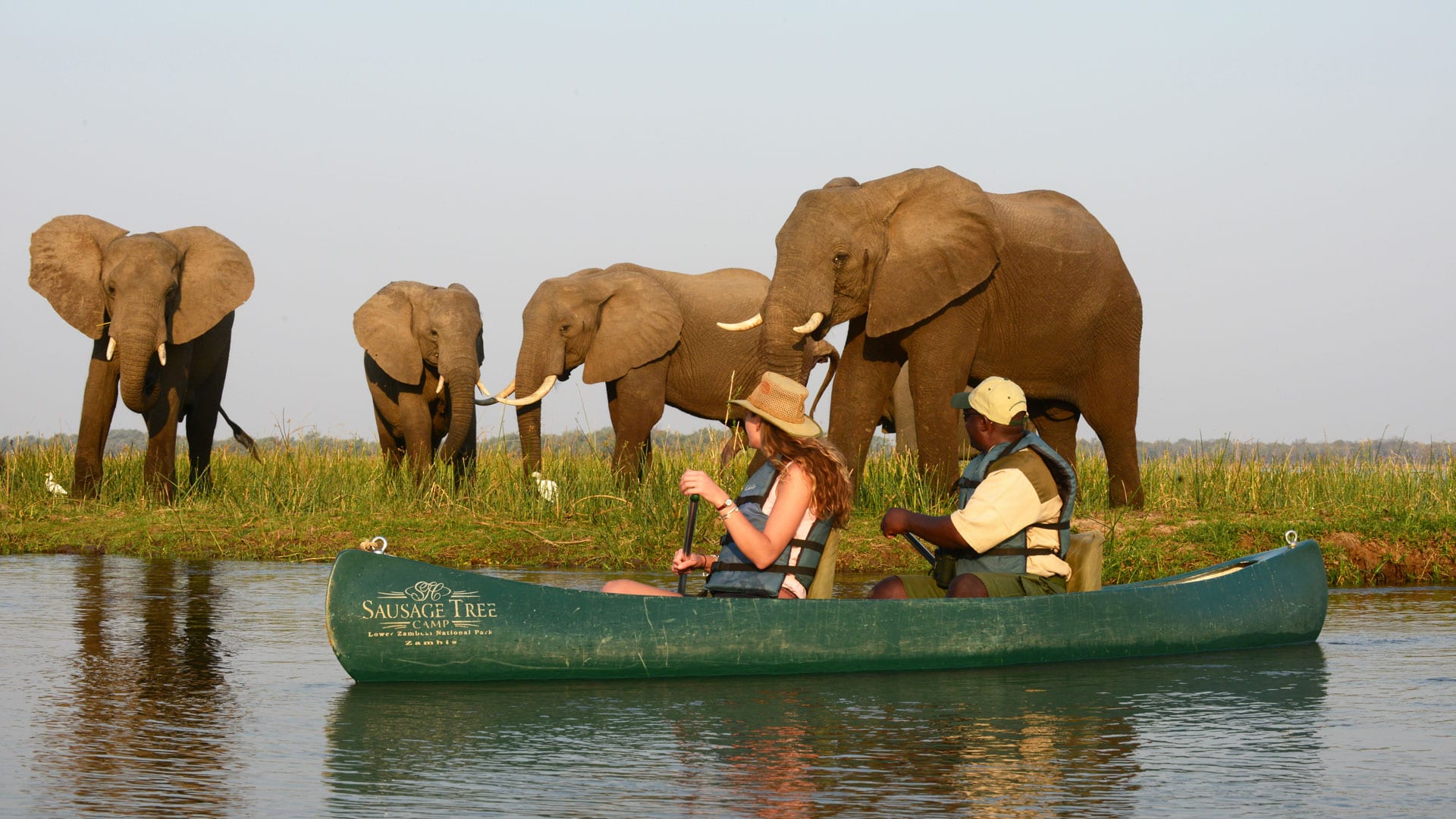
Prefer something calmer? A Sunset Cruise on the upper Zambezi costs around USD $45–$65 and offers excellent wildlife spotting , hippos, crocodiles, elephants, and a spectacular African sunset are virtually guaranteed. Helicopter Flights over the falls, known locally as the "Flight of Angels," start at USD $150 for a 12-minute circuit and provide the most dramatic aerial perspective of Mosi-oa-Tunya.
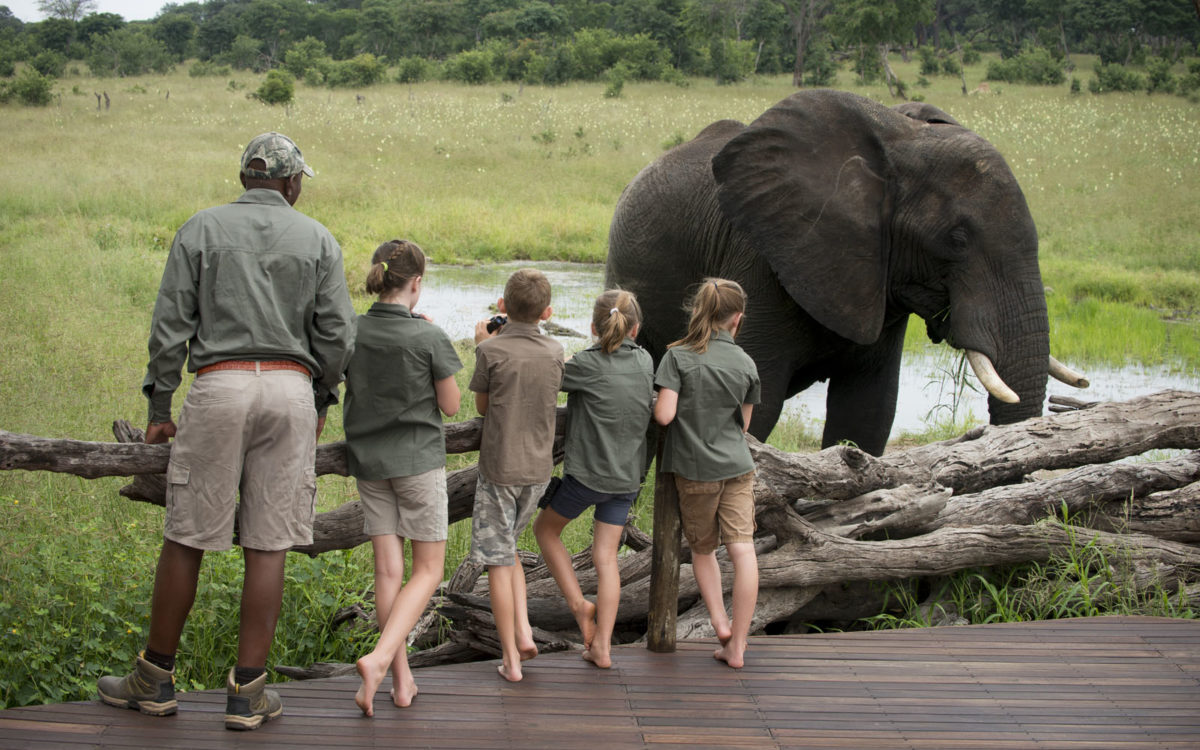
Cultural experiences are equally rewarding. Village Tours to local communities offer genuine insight into Zimbabwean daily life, whilst Walking with Lions and Elephant Experiences , though controversial in some quarters , remain popular options. Always research operators carefully and choose those with transparent animal welfare policies.
| Activity | Approximate Cost (USD) | Duration | Best Season |
|---|---|---|---|
| White Water Rafting | $120–$150 | Full day | Aug–Dec |
| Bungee Jumping | $160 | Half day | Year-round |
| Devil's Pool | $130–$155 | Half day | Sep–Dec |
| Helicopter Flight (12 min) | $150–$185 | 12–25 mins | Year-round |
| Sunset Cruise | $45–$65 | 2 hours | Year-round |
| Bridge Swing | $120 | Half day | Year-round |
| Village Tour | $35–$55 | 2–3 hours | Year-round |
Where to Stay and Eat in Victoria Falls
Accommodation in Victoria Falls town spans an impressive range , from world-class luxury lodges to comfortable backpacker hostels , meaning the destination is genuinely accessible regardless of budget. The town itself is compact and walkable, though a taxi or transfer is advisable after dark.
At the luxury end, the Victoria Falls Hotel , a colonial-era landmark dating to 1904 , remains the grande dame of the region. Rates start at around USD $350 per night for a standard room and climb steeply for suites with spray-mist views of the falls. The Stanley and Livingstone Boutique Hotel and Elephant Camp are equally prestigious options, both offering game drives within private reserves adjacent to the falls.
Mid-range travellers are well served by properties such as Shearwater Explorers Village and the Azambezi River Lodge, where comfortable en-suite rooms with pools typically cost USD $120–$220 per night. Budget travellers should consider Shoestrings or Jollyboys Backpackers, both of which offer dormitory beds from USD $15 and private rooms from around USD $50.
The dining scene has improved markedly in recent years. The Boma , Dinner and Drum Show at the Victoria Falls Hotel is a beloved institution, offering a buffet of traditional Zimbabwean dishes (including mopane worms, for the adventurous) alongside live drumming and storytelling for around USD $75 per person. For something more casual, Mama Africa and The Lookout Café offer excellent value with panoramic views of the gorge.
Self-catering is straightforward , Spar supermarket in town stocks a reasonable range of produce, and the local market near the crafts village is ideal for fresh fruit, vegetables, and snacks. USD is accepted everywhere, though small denominations (USD $1, $5) are essential as change can be scarce.
| Budget Level | Accommodation | Meals | Activities | Daily Total |
|---|---|---|---|---|
| Budget | $15–$50 | $15–$25 | $30–$50 | $60–$125 |
| Mid-Range | $120–$220 | $40–$70 | $80–$150 | $240–$440 |
| Luxury | $350–$800+ | $80–$150 | $150–$300 | $580–$1,250+ |
Beyond Victoria Falls: Exploring the Wider Region
Many visitors make the mistake of treating Victoria Falls as a standalone destination, when in reality it serves as the perfect gateway to one of Africa's most rewarding and undervisited regions. Extending your trip by even a few days transforms a great holiday into an extraordinary one.
Hwange National Park, Zimbabwe's largest game reserve, lies just 100 kilometres east of Victoria Falls and is home to one of Africa's largest elephant populations , estimated at over 45,000 individuals. The park also supports lions, wild dogs, cheetahs, and all of the Big Five. Game drives in Hwange are exceptional, particularly around the dry season waterholes between July and October. Read our full safari planning resource: A Safari Guide to Hwange National Park: Tracking the Big Five in Zimbabwe's Largest Game Reserve. You can also browse Game Drives in Hwange and book directly through our platform.
Further south, the Matobo Hills near Bulawayo constitute one of Zimbabwe's most remarkable landscapes , a UNESCO World Heritage Site of ancient granite kopjes, San rock art, and extraordinary biodiversity. The hills are home to the world's highest density of black and white rhinos and the grave of Cecil John Rhodes. Our guide to Matobo Hills: Exploring Zimbabwe's UNESCO World Heritage Wilderness covers everything you need to plan a visit.
The shores of Lake Kariba, accessible via Binga, offer a completely different experience , houseboat safaris, tiger fishing, and the extraordinary sight of drowned trees rising from the lake's surface. For those interested in cultural immersion, Discovering Ndebele Culture and Heritage in Western Zimbabwe provides an excellent introduction to the traditions, art, and history of the region's indigenous communities.
Crossing borders is also straightforward. The Kazungula border crossing connects Zimbabwe to Botswana and Zambia, enabling multi-country itineraries that might include Chobe National Park or the Okavango Delta. Our Planning Your Trip to Western Zimbabwe guide covers visas, border crossings, and practical logistics in full detail.
Essential Practical Tips for Visiting Victoria Falls
A few well-chosen pieces of advance knowledge can make a significant difference to your experience at Victoria Falls. Here is what experienced travellers wish they had known before their first visit.
Packing for the spray: During high-water season (February to May), the spray from the falls is so intense that you will be soaked within minutes of entering the rainforest viewpoints. Pack a lightweight waterproof jacket, a dry bag for your camera and phone, and consider wearing quick-dry clothing. Sandals or old trainers are preferable to hiking boots that take days to dry out.
Currency and payments: Zimbabwe uses the USD as its primary currency for tourism. South African Rand is also widely accepted. Credit cards are accepted at most hotels and larger restaurants, but carry sufficient cash for markets, tips, and smaller vendors. ATMs in town can be unreliable , withdraw cash before arriving if possible.
Health and safety: Victoria Falls town is generally safe for tourists, but exercise standard precautions , do not walk alone after dark, keep valuables secured, and be alert around the craft markets where persistent vendors can be overwhelming. Malaria is present in the region; consult a travel health clinic before departure and take appropriate prophylactics. The falls themselves carry a genuine risk , stay behind barriers and never attempt to swim above the falls outside of officially sanctioned activities.
Visa requirements: Most nationalities require a visa to enter Zimbabwe, available on arrival at Victoria Falls International Airport or land borders. The standard tourist visa costs USD $30 for single entry. The KAZA UNIVISA (USD $50) covers both Zimbabwe and Zambia and is excellent value for those planning to visit both sides of the falls. Check current requirements at Travel Advice or Contact Us for personalised guidance.
Booking in advance: During peak season (July to October), popular activities, lodges, and restaurants fill up weeks in advance. Book Devil's Pool, helicopter flights, and upmarket accommodation as early as possible. Our Trip Planner tool can help you build a structured itinerary, and the Business Directory lists vetted local operators and accommodation providers.
For the most comprehensive planning resource, revisit our full overview: The Complete Guide to Victoria Falls: Activities, Viewpoints, Best Time to Visit & Insider Tips.
Final Thoughts
Victoria Falls is one of those rare destinations that genuinely exceeds expectations , a place where photographs, however spectacular, fail to capture the full sensory assault of standing before one of the natural world's greatest spectacles. The thunder of the water, the perpetual mist rising into an African sky, the rainbows arcing through the spray , these are experiences that stay with you long after you return home.
But what elevates Victoria Falls beyond a single landmark is the richness of the surrounding region. The wildlife of Hwange, the ancient landscapes of Matobo, the cultural depth of Bulawayo, and the frontier spirit of the Zambezi Valley combine to make western Zimbabwe one of Africa's most rewarding and underappreciated destinations.
Whether you have three days or three weeks, whether you are travelling on a shoestring or in five-star comfort, Victoria Falls has the capacity to astonish. Go in the right season for your priorities, book key activities early, respect the environment and local communities, and allow yourself to be surprised. Africa has a habit of exceeding even the most optimistic expectations , and nowhere more so than here, at Mosi-oa-Tunya, the Smoke that Thunders.
Explore everything this extraordinary region has to offer through our Victoria Falls destination guide, use our Trip Planner to build your perfect itinerary, and browse our Business Directory for trusted local operators. Safe travels.